Katowice rewards visitors who like places that have reinvented themselves. The best things to do here are tied to the city’s mining and industrial past and to its reputation as a UNESCO City of Music. Allow two days: one for the Culture Zone and city centre, one for Nikiszowiec. Return to our Katowice travel guide for planning basics.
Nikiszowiec: the miners’ district
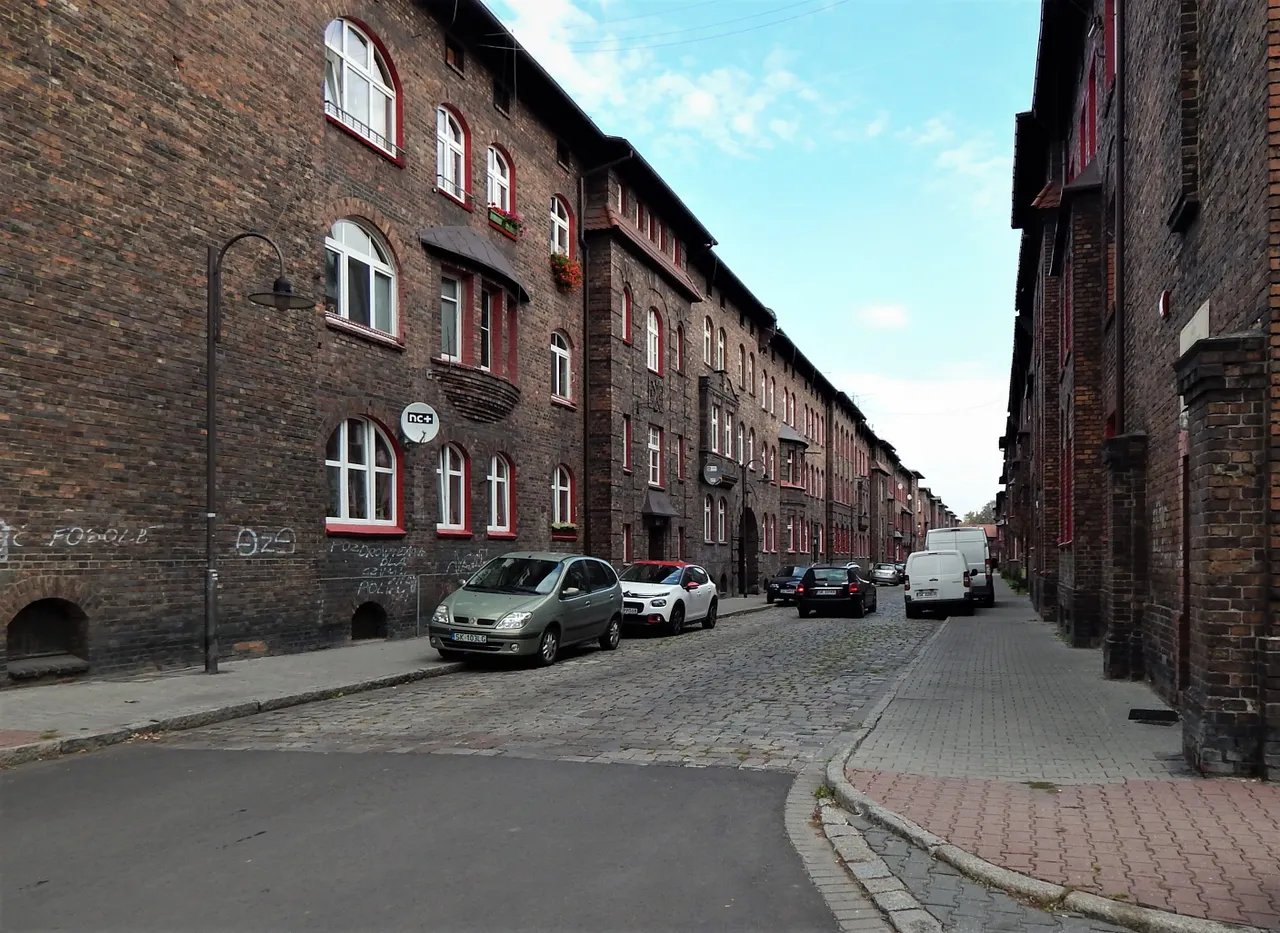
If you see only one thing outside the centre, make it Nikiszowiec. Built between 1908 and 1912 for workers at the Giesche company’s Wieczorek mine, the settlement is a single, planned ensemble of dark red-brick blocks around a square, finished by the Church of St Anne. The architects, Emil and Georg Zillmann, designed the blocks with arched passageways and courtyards, and the layout remains intact. It is a living neighbourhood, so keep noise down and ask before photographing residents.
Allow 1.5-2 hours. Walk through the passages, stop at one of the small cafes on the square, and try Silesian cake. The small Sztygarka mining museum nearby is the only paid sight. It is free to walk the streets. A guided walking or bike tour of Nikiszowiec adds the history of the mine and the miners’ families that signs rarely explain.
Silesian Museum (Muzeum Slaskie)
The Silesian Museum is the best museum in the city and one of the best designed in Poland. It occupies the grounds of the former Katowice coal mine: the steel winding tower and several brick mine buildings are preserved on the surface, while the main exhibition spaces lie underground beneath a glass-and-steel roof. The permanent displays cover Silesian history, art and everyday life, and the temporary exhibitions often draw crowds. The tower’s observation deck gives a wide view over the city.
A standard ticket costs roughly PLN 24-29 as of 2026, with reduced fares for students and seniors and free entry on selected days. Opening hours have varied, so confirm on muzeumslaskie.pl. Allow two to three hours.
Spodek and the Culture Zone
The Spodek arena is a short walk from the museum. Opened in 1971, its roof is supported by an arrangement of cables from a giant ring, giving it the look of a flying saucer. It is still one of the main venues in Poland for concerts, ice hockey and esports, so the best way to see inside is to book an event. Occasional guided tours exist; see spodekkatowice.pl for dates.
Next to the museum stands NOSPR, the home of the Polish National Radio Symphony Orchestra. Its auditorium is known for outstanding acoustics. Concert tickets range widely, from around PLN 30 to well over 100 depending on the programme, and the building’s cafe and shop are open to visitors without a ticket. Check the official NOSPR site for the schedule.
Mariacka Street and the centre
Mariacka is the main pedestrian strip for evening drinks and dinner, lined with bars, restaurants and street art. Nearby the Rynek (main square) and Plac Wolnosci are best for a relaxed afternoon. Katowice also has strong modernist architecture, including the post-war Superjednostka housing block and the 1930s functionalist buildings along Warszawska and Kosciuszki streets, which suit a short self-guided walk.
What to eat
Try rolada slaska (beef roulade) with kluski slaskie (potato dumplings) and red cabbage, plus zurek and Silesian kolocz cake. Expect to pay roughly PLN 40-70 for a main course as of 2026.
Practical tips
- Combine sights smartly. Do the Silesian Museum, NOSPR and Spodek on one walking loop, and give Nikiszowiec its own half-day.
- Check event dates. Concerts and festivals such as the OFF Festival in August affect hotel prices and arena access.
- Go in the shoulder seasons. April-June and September give the best light and fewer crowds.
- Rainy day option. The Silesian Museum and the nearby Katowice City Gardens shopping and dining area both work well indoors.
- Stay central. Hotels in Katowice near the main station put the Culture Zone and trains within walking distance.
Plan your trip
Fly into Katowice Airport? Read our Katowice airport transfer guide before you land. Combining cities? Kraków is only about an hour away by fast train; see our Kraków guide. For wider route planning, start with getting around Poland.