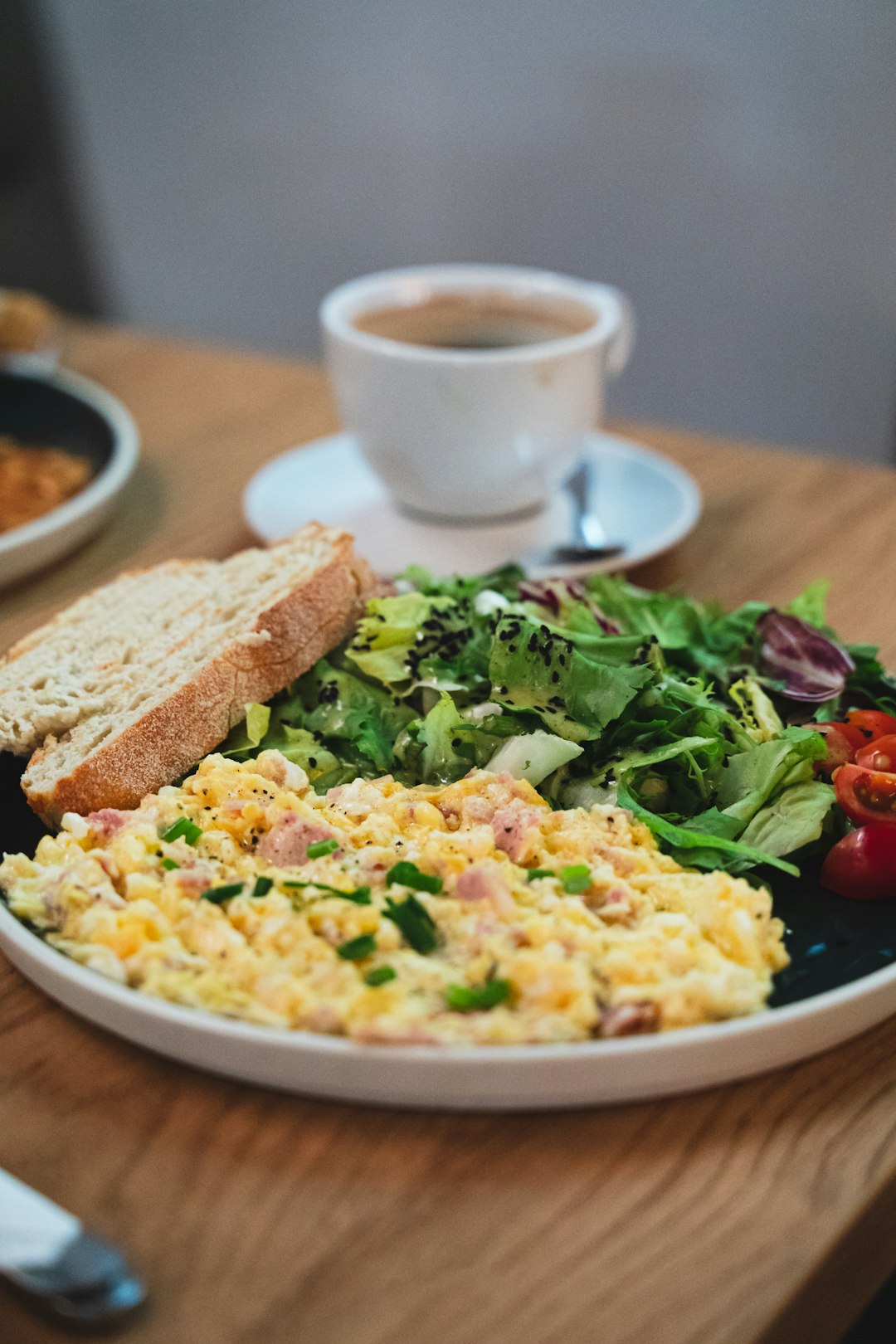
Food & Drink
Warsaw Food Guide: Where to Eat in Poland's Capital
Warsaw's best restaurants by budget - from milk bars serving żurek for 15 PLN to upscale Polish kitchens. Named venues, prices, and what to order.
Polish Cuisine
Polish cuisine is hearty, seasonal, and deeply tied to its Central European geography - shaped by cold winters, an abundance of pork, dairy, root vegetables, and foraged mushrooms. At its core sit simple, filling dishes: pierogi, bigos, żurek, barszcz. But Poland's food culture has evolved considerably - Warsaw and Kraków now have serious restaurant scenes alongside the milk bars and market stalls.
Eating well in Poland is also inexpensive. A full meal at a milk bar (bar mleczny) costs approximately PLN 20–35 ($5–9). A sit-down lunch at a traditional restauracja runs PLN 40–70 ($10–18). The country's vodka culture is equally distinctive - Polish vodka is among the finest in the world, and drinking it in Poland is a different experience from drinking it at home.
Each city guide includes a dedicated food page covering must-eat dishes, local specialities, and where to eat them.
Eight dishes that represent the depth and regional variety of Polish cuisine - from milk bars to mountain markets.
Filled dumplings, Poland's iconic dish. Fillings: potato-cheese, meat, sauerkraut, or sweet. Boiled or fried with sour cream.
Sour rye soup with hard-boiled egg and smoked sausage. Often in a bread loaf. Cold-weather staple.
Hunter's stew - sauerkraut, cabbage, pork, sausage, mushrooms, onion, spices. Slow-cooked, improves with reheating.
Polish smoked sausage with regional varieties. Kiełbasa krakowska is renowned. Grilled, with mustard and bread.
Potato pancakes - grated potato, egg, and flour, fried crispy. Served with sour cream or apple sauce.
Polish beetroot soup, intensely coloured. Served with mushroom dumplings (uszka). Lighter than Ukrainian borscht.
Smoked sheep's milk cheese from the Tatra Mountains. Oval-shaped, smoky, salty. Zakopane markets grilled with cranberry sauce.
Communist-era canteens serving inexpensive pierogi, soups, cutlets. Cafeteria-style. Budget eating in Warsaw and Kraków.
Poland's food capital for many visitors - a dense concentration of milk bars, traditional restaurants, and a genuinely strong contemporary dining scene around Kazimierz. Obwarzanek (ring-shaped bread) from street carts is a Kraków street-food institution.
Guide to Kraków →Warsaw has the most diverse food scene in Poland - from surviving milk bars in Śródmieście to ambitious restaurants in Powiśle and Praga. The Hala Koszyki food hall is a good introduction to the range of what's available.
Guide to Warsaw →The gateway to the Tatras has its own mountain cuisine. Oscypek (smoked sheep cheese) grilled with cranberry jam, kwaśnica (sauerkraut soup), and highlander bread are the specialities. The Krupówki market is the place to try them.
Guide to Zakopane →In-depth guides to Polish cuisine, restaurants, and the food scene.
Warsaw's best restaurants by budget - from milk bars serving żurek for 15 PLN to upscale Polish kitchens. Named venues, prices, and what to order.
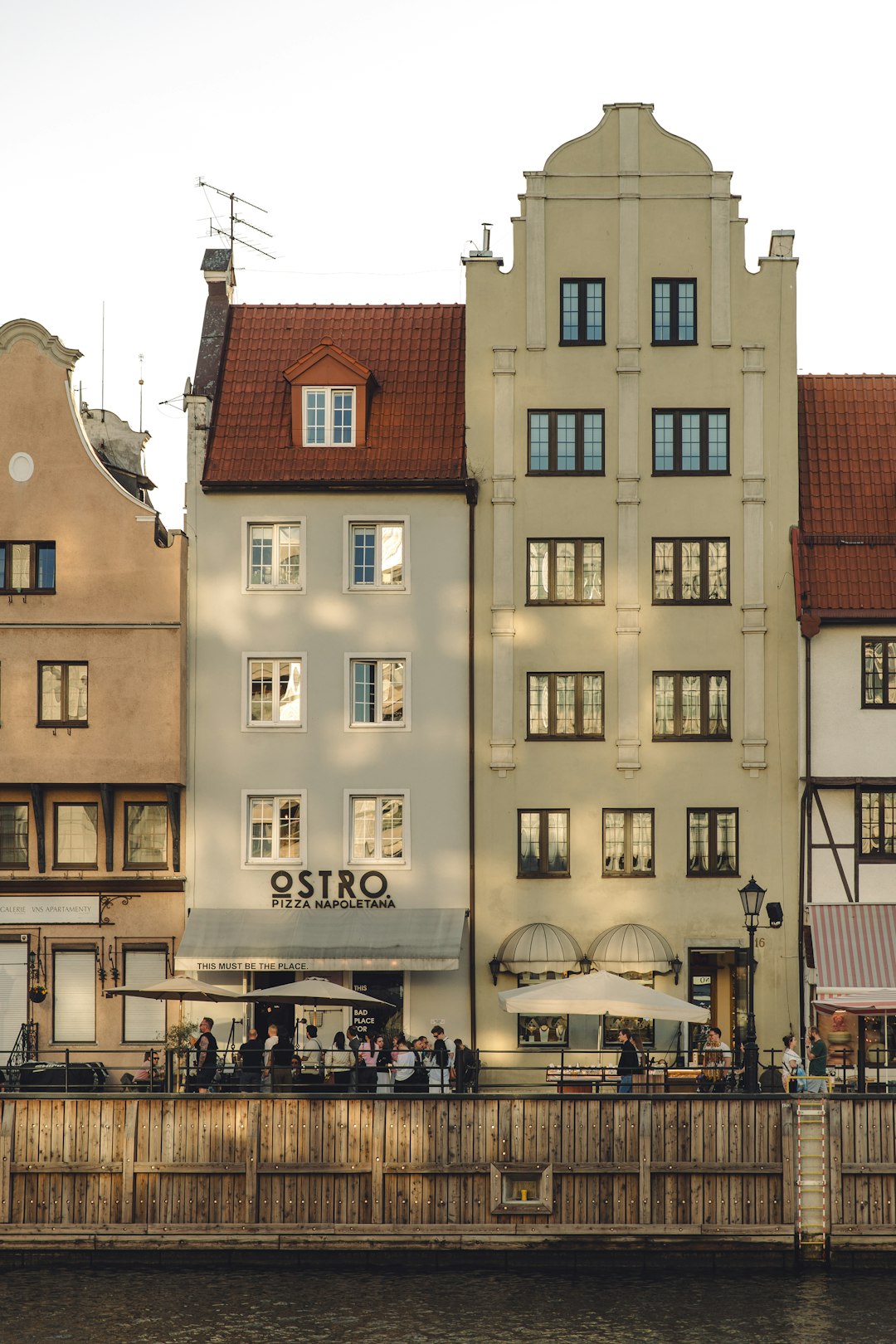
Named restaurants on Mariacka, Długa, and the Motława waterfront - Baltic fish, Polish classics, and budget pierogi spots with PLN prices.
Best restaurants in Łódź: Piotrkowska courtyards, Manufaktura picks and Jewish-Polish dining heritage. Prices and honest recommendations.
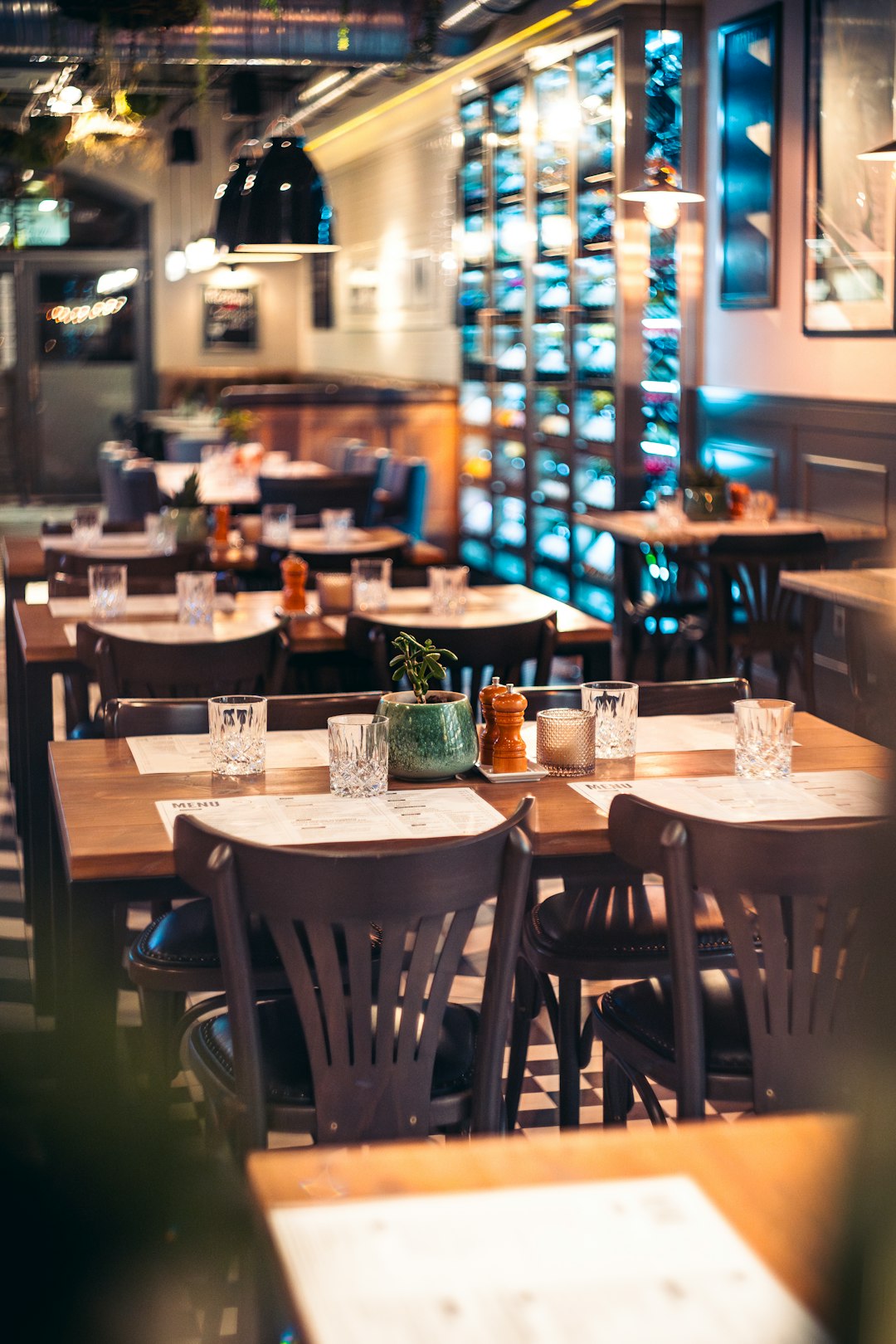
Poznań's Stary Rynek, Śródka, and Półwiejska offer everything from gzik and rogale to craft beer halls. The city's best restaurants by neighbourhood.
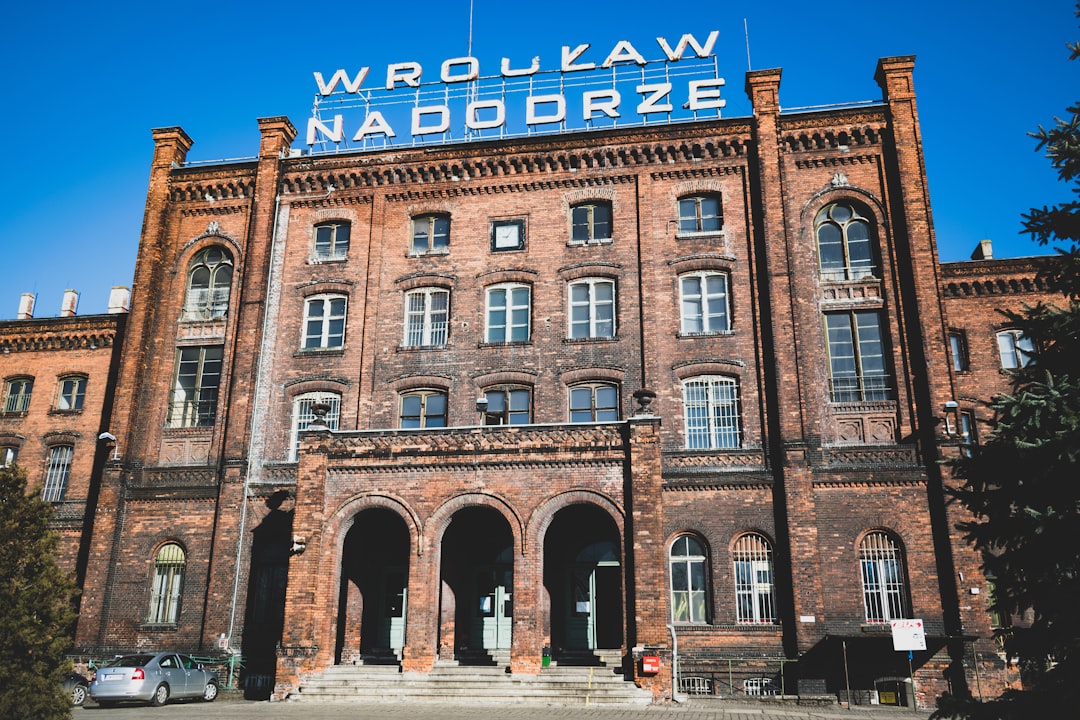
Wrocław's food scene spans Rynek beer halls, Nadodrze bistros, and creative Polish kitchens. Here's where to eat and what to order.

Best restaurants in Zakopane: mountain hut dining, Krupówki picks and off-street finds; prices, dishes and tips to avoid tourist traps.
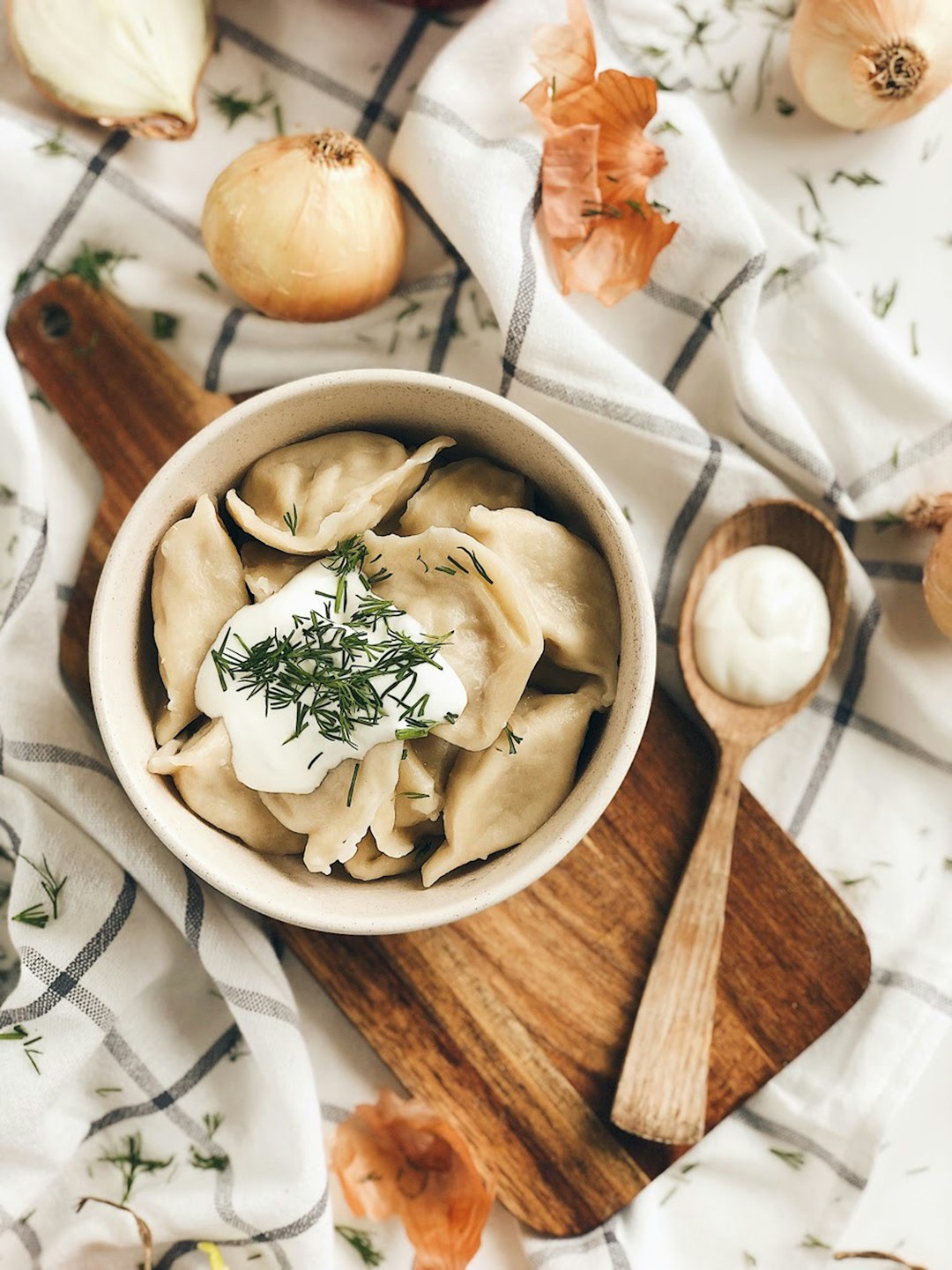
The best restaurants in Poland by city: traditional milk bars, pierogi cellars, modern Polish cooking and Baltic seafood. Our picks with prices.
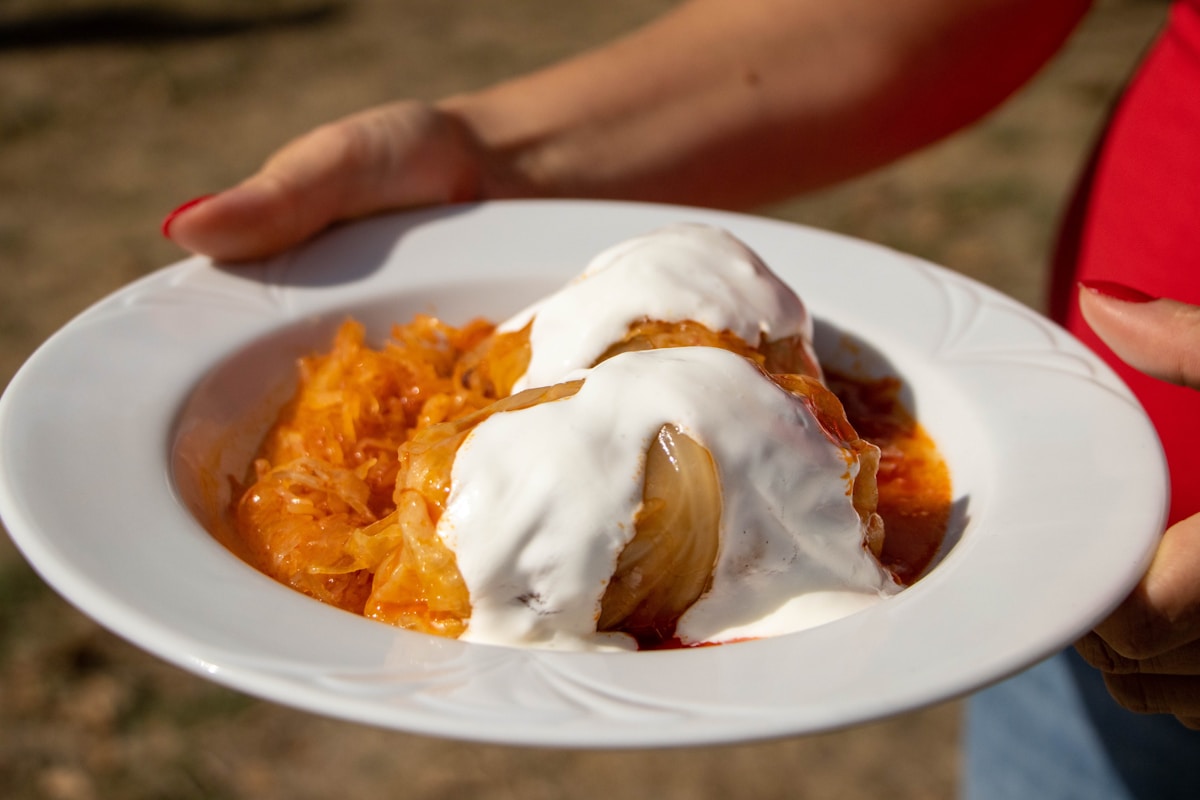
Polish cuisine by region: Mazovian żurek, Silesian rolada, Podhale oscypek, Kashubian fish, plus named restaurants and approximate prices across Poland.
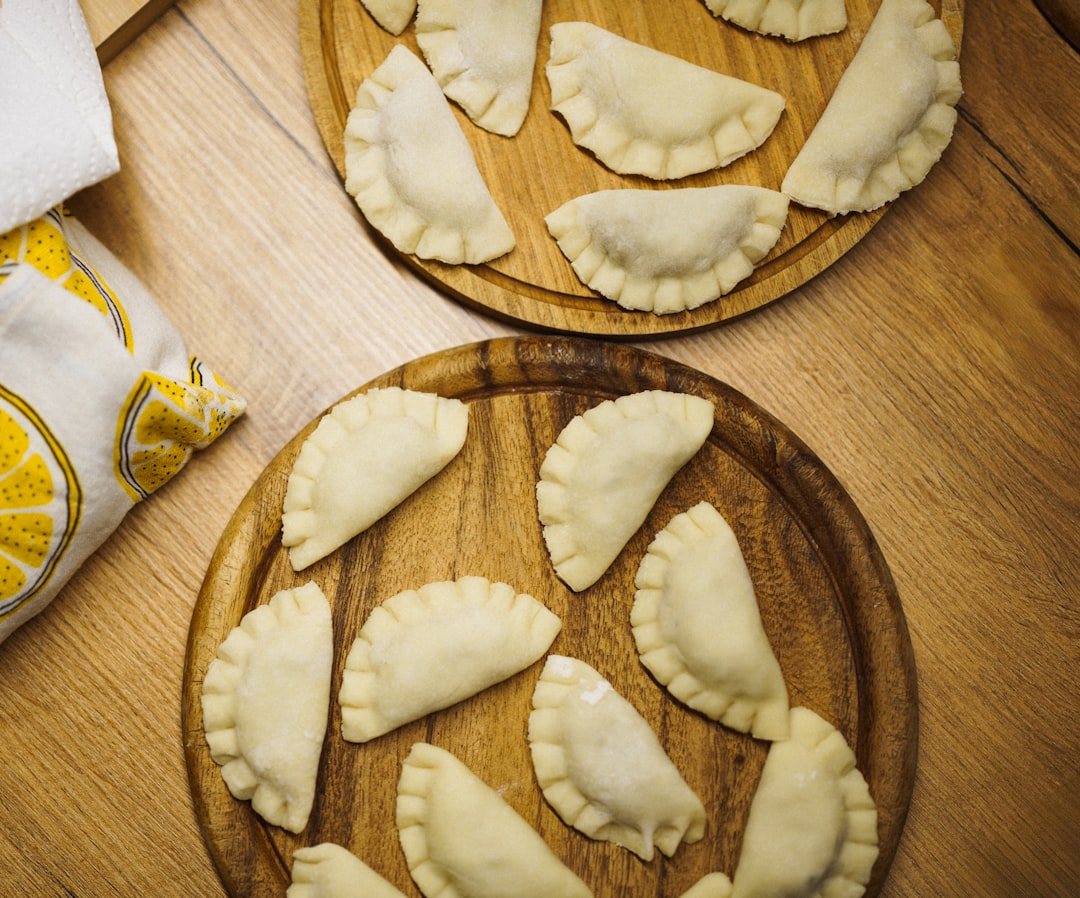
Zapiekanki, oscypek, obwarzanki, milk bars and market stalls: how to eat well and cheaply on the streets of Poland with prices and locations.
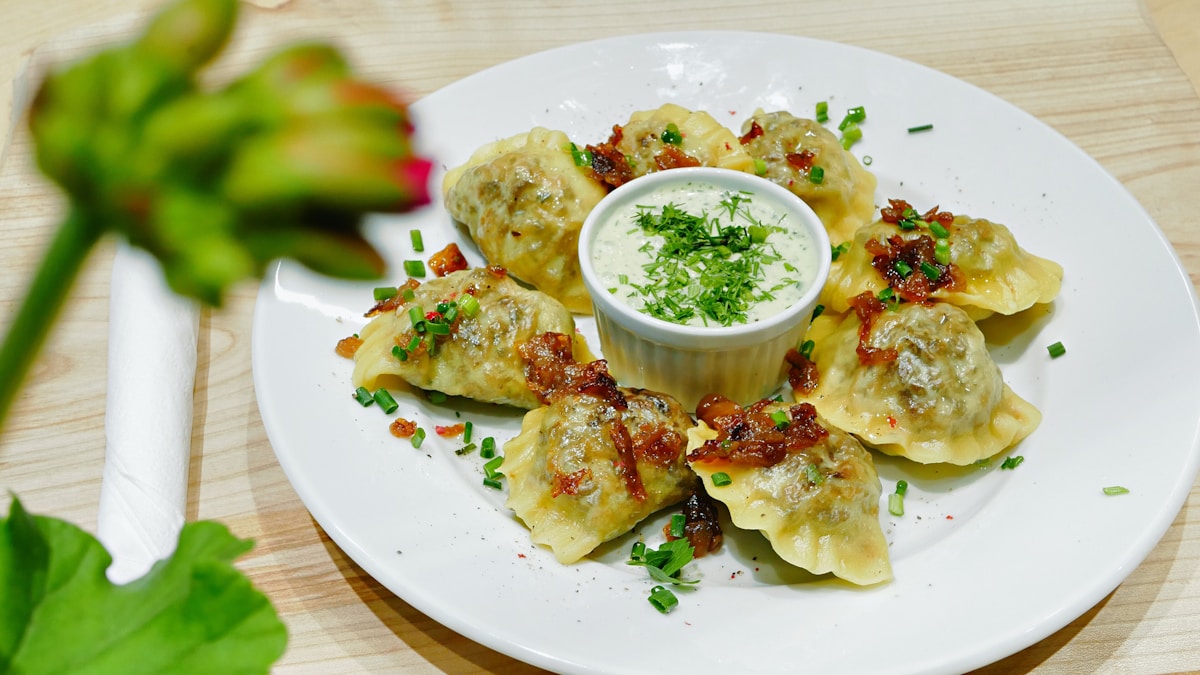
From pierogi to oscypek, bigos to pączki: a guide to traditional Polish dishes, their regional origins, and the best places to eat them across Poland.
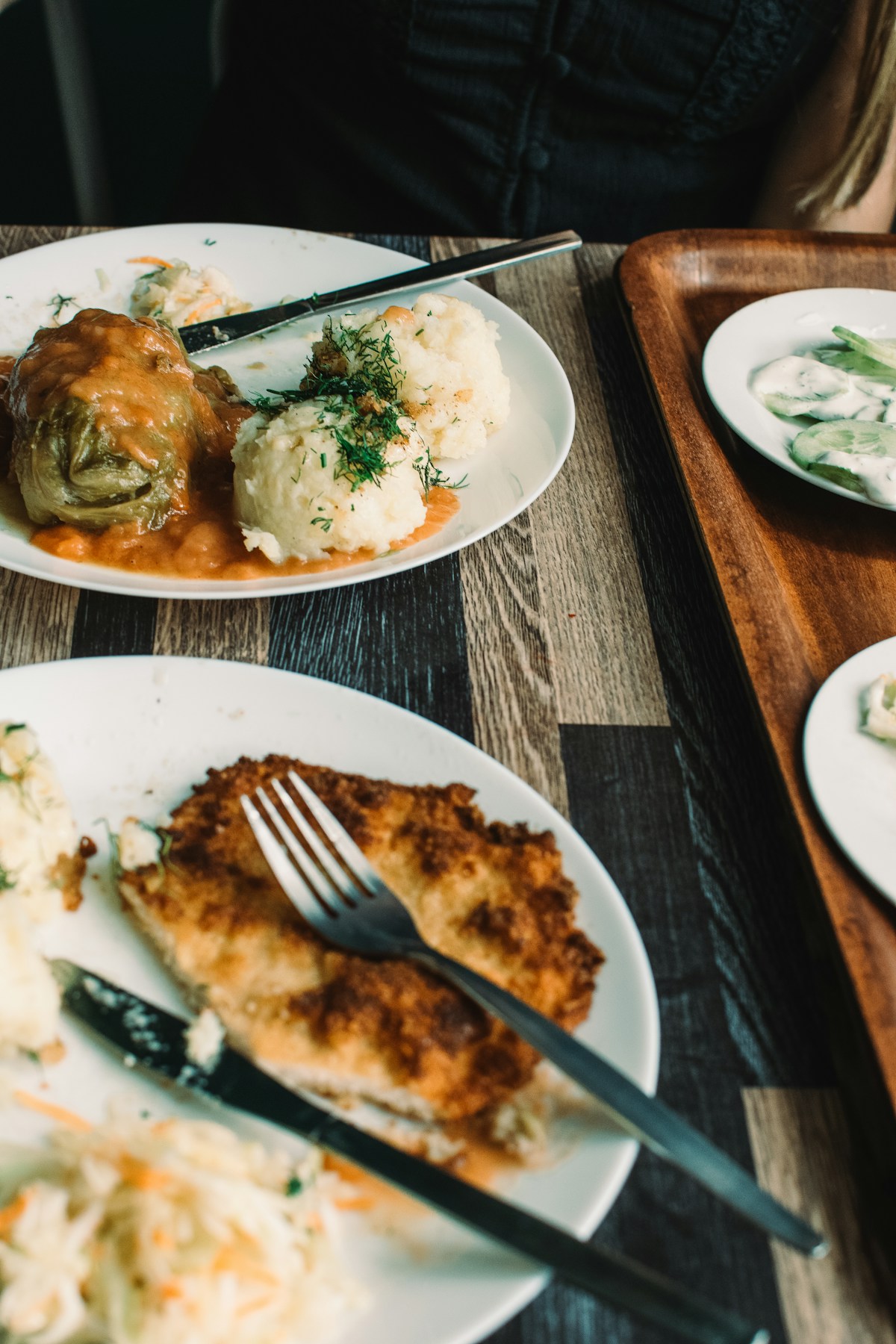
Visiting Kraków? From Wierzynek's medieval cellar to Kazimierz quarter cafés and Forum's craft beer hall: the best restaurants for every budget.
Heading to Warsaw? Atelier Amaro's Michelin tasting menu, old-school milk bars, and refugee-run cafés make Warsaw one of Poland's best eating cities.
Book an experience
Best price guaranteed · Instant confirmation · Free cancellation on most bookings
Ready to book your Poland experience?