Poland is tracking towards a record 23 million international arrivals in 2026, according to projections from the Polish Tourism Organisation (POT). The figure would mark a new peak for the country’s tourism sector and continue the upward trend that has seen Poland establish itself as one of Europe’s most visited destinations outside the traditional top-ten.
Where Growth Is Happening
Three areas are accounting for the strongest share of growth:
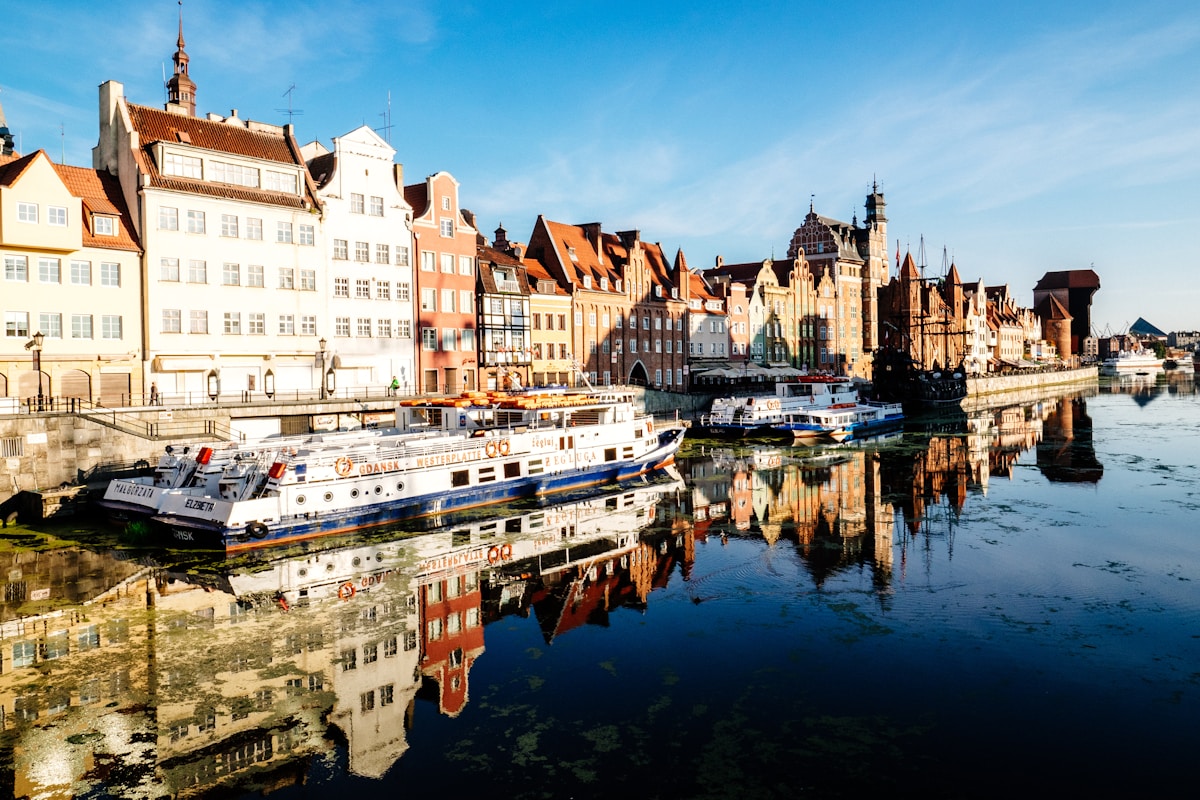
Baltic Coast: Gdańsk, Gdynia, Sopot and the Kashubian Lake District are drawing increased summer visitors. The Tri-City metropolitan area has positioned itself as a beach-and-culture destination, and Gdańsk’s restored historic centre - rebuilt from rubble after the Second World War - continues to attract visitors interested in the city’s role in 20th-century history. August is the Baltic coast’s peak month, with water temperatures approaching 20°C in a good year.
Kraków: Poland’s most visited city continues to grow its international visitor base, driven by budget airline connections from across Europe, a strong short-break market, and a cultural programme that includes Wawel Castle, the Jewish Quarter in Kazimierz, and the MOCAK contemporary art museum. Day trips to Auschwitz-Birkenau and the Wieliczka salt mine remain among the most booked excursions in the country.
Warsaw: The capital has grown significantly as a destination in its own right - separate from its function as a connecting hub. The rebuilt Old Town, the Warsaw Rising Museum, and a restaurant scene that has developed substantially over the past five years are drawing visitors who previously stopped only in transit.
What’s Driving the Numbers
Several factors contribute to the 2026 momentum:
- Strong airlift: Ryanair, Wizz Air, and LOT Polish Airlines all expanded Polish routes from Western European cities in 2025–26. Warsaw Chopin and Kraków John Paul II airports have handled record passenger volumes.
- Competitive pricing: Poland remains significantly more affordable than Western European comparators in accommodation, food, and transport - a factor that continues to attract value-conscious travellers.
- Proximity to demand: With Germany, the Czech Republic, Austria, and Scandinavia all within driving or short-flight distance, Poland draws a substantial overland visitor pool that does not appear in air traffic data.
- Cultural heritage interest: UNESCO World Heritage Sites including Kraków’s historic centre, Auschwitz-Birkenau, and Wieliczka remain top draws. The 2025 designation process for Białowieża Forest extension has kept the region in international coverage.
Practical Implications for August Visitors
August brings Polish school holidays, which means domestic tourism adds significantly to the international volumes - particularly on the Baltic coast and in the national parks. Advance booking for accommodation in Gdańsk, the Masuria lakes, and the Tatras is essential for August travel.
Our Kraków city guide and Warsaw guide cover the practical details for both major cities, and our Poland itineraries section can help structure a visit that takes in multiple regions in a single trip. First-time visitors can also browse tours across Poland to get a sense of what guided experiences are available before committing to an itinerary.
The Polish government has invested in tourism infrastructure under a five-year strategy; the visitor projection, if achieved, would represent the strongest validation yet of that programme.