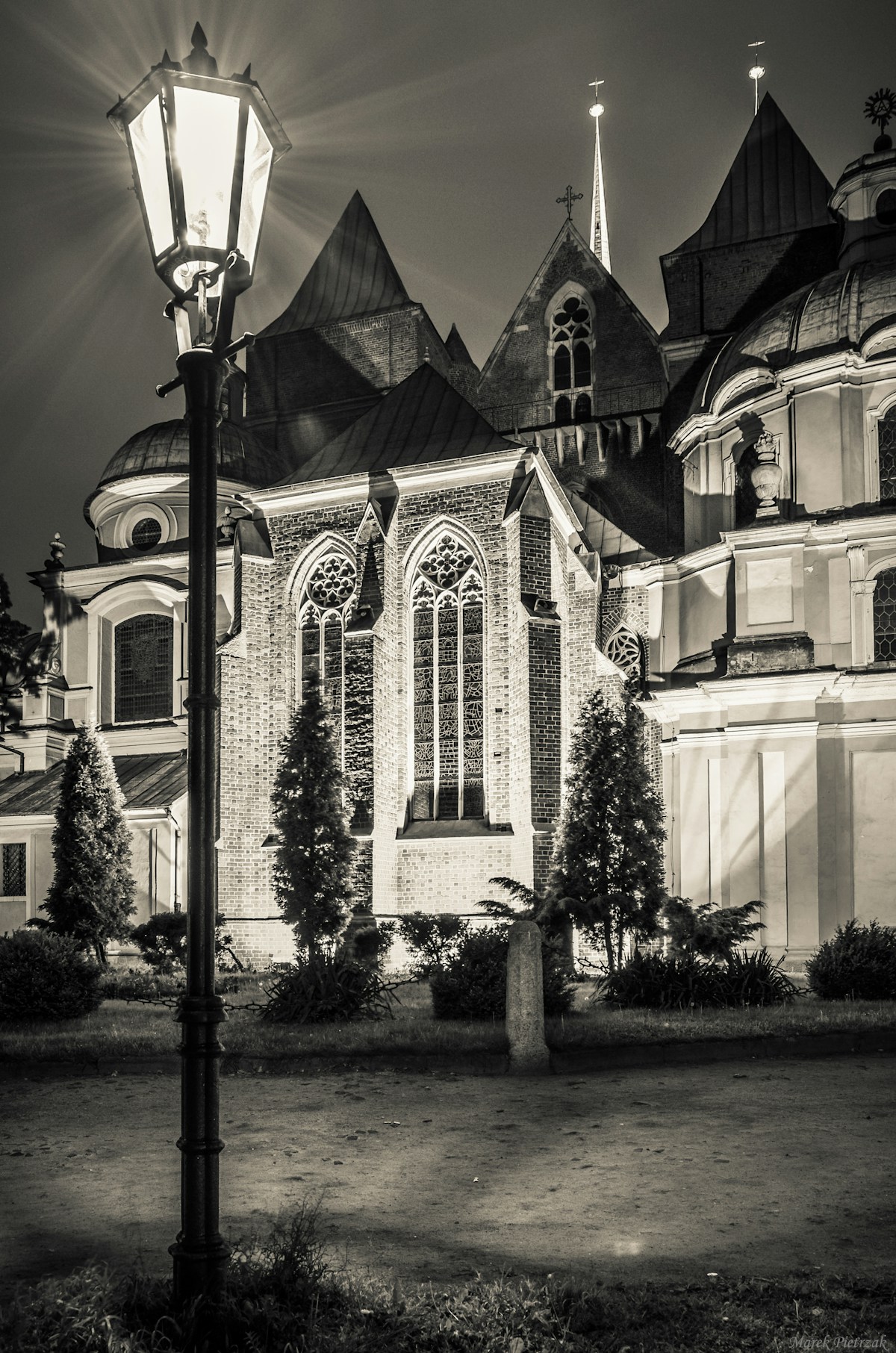
The 22nd Chopin and His Europe International Music Festival is in its final stretch in Warsaw, running until 6 September 2026. The festival, organised by the Fryderyk Chopin Institute, has been running since 2005 and draws some of the most respected pianists and chamber ensembles in the world to perform works by Chopin and the composers who influenced or were influenced by him.
What the Festival Includes
This year’s programme spans Chopin’s solo piano works - performed on both modern Steinways and historical fortepianos from the composer’s era - alongside chamber pieces, orchestral concerts, and lectures. The use of period instruments is one of the festival’s defining features, allowing audiences to hear how Chopin’s nocturnes, mazurkas, and concertos would have sounded in 19th-century Paris and Warsaw.
Venues across the city host events throughout the festival period. The main concert hall is the National Philharmonic on Jasna Street, but performances also take place in the Royal Castle, the Warsaw University Rector’s Hall, and in Łazienki Park’s open-air amphitheatre - the same park where the famous Sunday Chopin concerts take place all summer.
Tickets and Attendance
Tickets for the remaining performances (up to 6 September) are available through the Chopin Institute’s official website. Some concerts are free, particularly the outdoor Łazienki events; ticketed performances at the National Philharmonic range from around PLN 40 to PLN 250 depending on seat position and ensemble size.
Same-day tickets are sometimes available at the box office if a concert has not sold out, but the final week of a major festival tends to see last-minute demand - booking online in advance is the safer approach.
Other Warsaw Cultural Events in September
The Chopin Festival overlaps with Warsaw’s broader September cultural calendar, which includes the opening of the new theatre season and several gallery exhibitions tied to the autumn art cycle. September is generally considered one of the better months to visit the city: summer tourist volumes drop noticeably after the school holidays end in late August, and temperatures remain comfortable for walking - typically 15–22°C through the month.
For visitors extending the trip, Kraków is under three hours from Warsaw by PKP Intercity express train and has its own rich classical music programme in September, centred on the Filharmonia Krakowska.
Getting to Warsaw
Most international visitors arrive at Warsaw Chopin Airport (WAW), named after the composer, which handles direct connections from across Europe and North America. The airport is linked to Warsaw Central station by the SKM suburban rail line, with the journey taking around 20 minutes. To fill daytime hours before evening concerts, Warsaw tours covering the Royal Route, Old Town, and Łazienki Park make a natural complement to the festival programme.