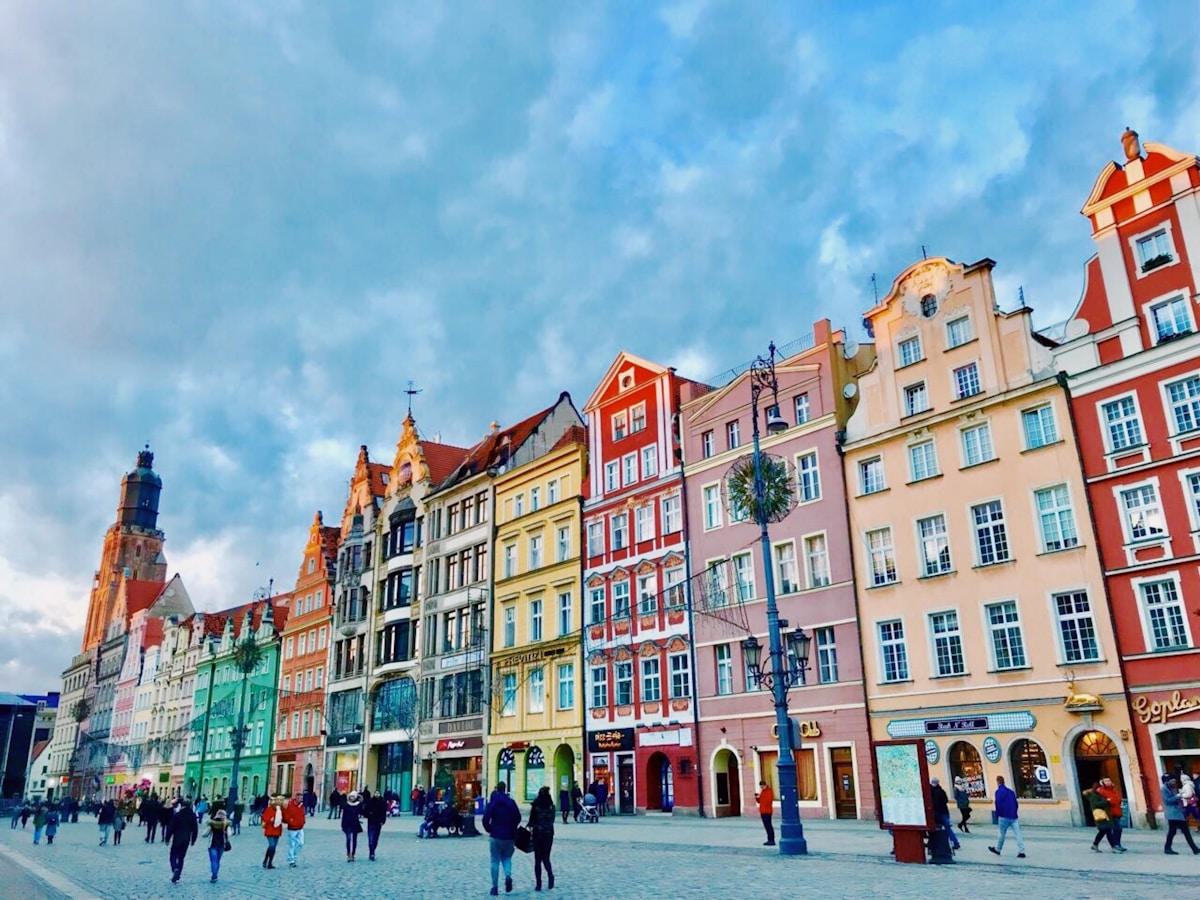
All Saints Day (Wszystkich Świętych) falls on Saturday, 1 November 2027 - a public holiday across Poland. On this day, millions of Poles visit cemeteries to light candles and lay flowers on family graves and the burial places of historical figures. The tradition is one of the most visually striking in the Polish calendar: by nightfall, large cemeteries across the country are blanketed in tens of thousands of candles.
For visitors, timing a Poland trip to coincide with the evening of 1 November is one of the more quietly remarkable experiences the country offers.
What Happens on All Saints Day
Banks, government offices, and most shops close. Restaurants, cafes, and tourist services remain open. From mid-afternoon through to well past midnight, families walk to their local cemeteries carrying lanterns, glass-encased candles, and bunches of chrysanthemums - the traditional flower of the day. The cumulative effect after dark, when hundreds of thousands of individual flames spread across a large cemetery’s pathways, is unlike any public observance in Western Europe.
The atmosphere is reverent rather than mournful. Families move between family graves across the cemetery. Older generations explain to children who each headstone commemorates.
Krakow: Rakowicki Cemetery
Rakowicki Cemetery - opened in 1803 on the edge of Krakow’s city centre - is the most visited in Poland on All Saints Day. The cemetery holds the graves of artists, academics, independence-era soldiers, and ordinary Krakow families across its 42 hectares. By evening, the density of candlelight on its main avenues and side paths creates a golden landscape that draws visitors from across the country.
Tram services run extended hours to handle the crowds; lines 1, 14, and 15 serve the Rakowicki stop directly. Flower and candle vendors line the entrance from early afternoon.
Salwator Cemetery in Krakow’s Zwierzyniec district is smaller and significantly quieter than Rakowicki - an alternative for visitors who want the atmosphere without the density of crowds.
Warsaw: Powązki Cemetery
In Warsaw, Cmentarz Powązkowski (Powązki Cemetery) is the equivalent gathering point. The 18th-century cemetery holds the graves of Polish writers, poets, politicians, and military figures. The alley of notable graves (Aleja Zasłużonych) draws concentrated crowds from late afternoon; the broader cemetery fills progressively through the evening. Bus line 181 runs directly to Powązki from central Warsaw.
Wrocław: Osobowicki Cemetery
Osobowicki Cemetery in Wrocław’s northern suburbs is the city’s main All Saints Day destination. Wrocław’s distinctive Lower Silesian identity - shaped by its post-war resettlement as the former German city of Breslau - gives the observance a particular character: alongside ethnic Polish families, there are graves of German citizens who died before 1945, maintained by both families and the city.
Practical Notes for 2027
- Transport: All three cities run extended tram and bus services to main cemeteries. In Krakow, trams run until past midnight from the Rakowicki area.
- Timing: The cemetery atmosphere peaks between 18:00 and 22:00. Arriving before 17:00 avoids the densest crowds.
- Weather: 1 November in Poland is typically 4–10°C with a high chance of rain. Dress warmly and bring waterproofs.
- Shops: Most shops are closed all day. Stock up on food and supplies on 31 October if you need them.
- The day after: 2 November is not a public holiday in Poland (unlike in some Catholic countries), so the country returns to normal on Monday. All Saints Day weekend is still busy for travel; book accommodation in advance for October 31 and November 1 nights.
For more on what November brings to Poland, including the Jazztopad Festival in Wrocław later in the month, see our guide to visiting Poland in November. Krakow tours and Warsaw tours can be arranged to complement the All Saints Day visit with the cities’ broader histories and sites.