Białowieża Forest is the last remaining fragment of primeval lowland forest in Europe - a landscape that once stretched from the Atlantic to the Urals, cleared across centuries of agriculture and settlement. In the Białowieża Forest, the trees are still the original species, many over 500 years old, and the ecological processes have never been interrupted: trees fall, decay, and return to soil without human intervention. That makes this forest categorically different from any managed woodland in Western Europe.
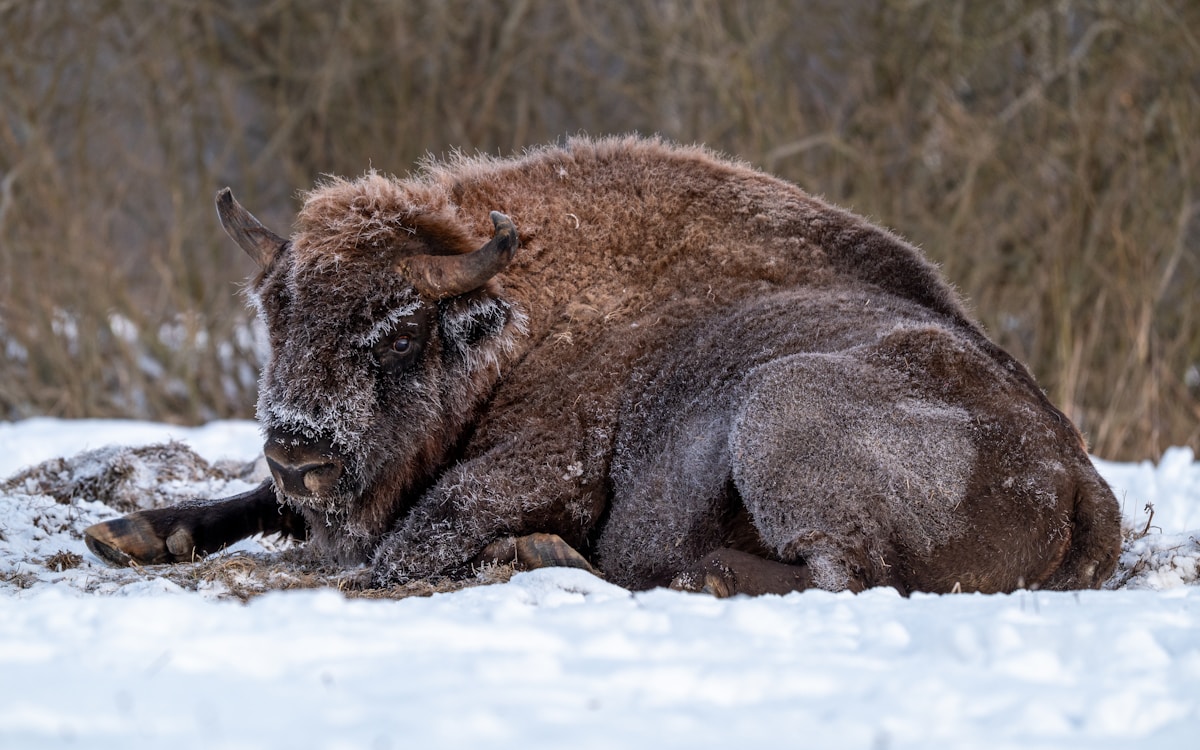
The forest is also the last refuge of the European bison (Bison bonasus), the continent’s heaviest land animal. Hunted to extinction in the wild by 1927, the species was rebuilt from 12 zoo animals; the free-roaming population in and around Białowieża now numbers approximately 700 animals. Seeing one in the wild - and they can be seen - is one of the most memorable wildlife experiences in Poland.
The Strict Reserve: Europe’s Last Primeval Forest
The Strict Reserve (Obszar Ochrony Ścisłej) forms the core of Białowieża National Park. No management takes place here: no felling, no path clearing, no drainage. Dead wood accumulates on the forest floor and provides habitat for the extraordinary variety of insects, fungi, and woodpeckers that depend on it. The forest in the Strict Reserve looks as European forests looked before humans began clearing them - dense, multi-layered, with ancient oaks, limes, hornbeams, and spruces competing for canopy space.
Entry to the Strict Reserve requires a licensed guide at all times. Tours are arranged through the PTTK (Polish Tourist and Sightseeing Society) office in Białowieża village. Walking tours last approximately 3 hours, covering 8–10km through the reserve on marked trails; the maximum group size is 20 people. Horse-drawn wagon tours are also available for those who prefer not to walk.
Booking: PTTK office, Białowieża village (ul. Waszkiewicza 2A), or online at pttk.pl. Telephone reservations are accepted. In July–August, book at least 2–3 weeks ahead - the morning departures sell out earliest.
Cost: Approximately PLN 80–120 per person as of 2026 (licensed guide + national park entry fee). The guide fee covers the group; entry fees are charged separately per person.
What you will see: Ancient oaks (some over 500 years old), standing and fallen dead wood in various stages of decay, fungi including giant bracket fungi on veteran trees, and - with patience - woodpeckers (the white-backed woodpecker and three-toed woodpecker are Strict Reserve specialities). Bison sightings in the reserve are possible but not guaranteed.
European Bison: Guaranteed vs Wild Sightings
European Bison Show Reserve (Guaranteed sightings)
The Białowieża European Bison Show Reserve (Rezerwat Pokazowy Żubrów) is a large fenced area within the forest complex, accessible independently. A managed herd of bison roams a substantial enclosure; you will see bison here, usually at close range. The enclosure also contains wisent (European bison), European elk, wild boar, lynx (in separate enclosures), and konik horses.
Entry costs approximately PLN 15 per person as of 2026. Opening hours are approximately 9am–5pm daily in season (check at rezerwatpokaz.pl for current hours). The walk around the Show Reserve takes 1–1.5 hours.
This is the right option for families with children, visitors with limited time, or anyone who wants a guaranteed close encounter. The animals are habituated to visitors and behave naturally within the enclosure.
Wild Bison Tracking (Expert guides)
For wild bison, hire a local naturalist guide. Several operators based in Białowieża village offer dawn and dusk bison-tracking excursions, typically 3–4 hours on foot or by 4WD vehicle along forest tracks. A guide with long experience of the forest’s bison movement patterns can usually locate animals. You can also find guided wildlife tours in Poland that include Białowieża as part of a broader itinerary.
Best season: December through March. In winter, bison congregate near supplementary feeding stations maintained on the forest edge, dramatically improving sighting chances. In summer, they disperse into the forest interior and sightings take significantly more patience.
Cost: Approximately PLN 200–350 per group (not per person) for a 3–4 hour excursion as of 2026. Groups are typically 2–6 people; private guiding available.
Local guides include operators listed through the Białowieża Tourism Information Centre (Centrum Informacji Turystycznej) in the village.
Wildlife Beyond Bison
Białowieża’s wildlife richness extends far beyond the flagship species. The forest holds approximately 250 breeding bird species, making it one of the top birdwatching sites in Europe.
Woodpeckers: The forest supports all nine European woodpecker species, including the rare white-backed woodpecker (Dendrocopos leucotos) and the three-toed woodpecker (Picoides tridactylus) - both species entirely dependent on ancient, dead-wood-rich forest. May–June is the best season, when birds are at nest holes and calling actively.
Wolves: The forest holds a stable wolf population. They are rarely seen but tracks and howls are found regularly. Winter excursions with guides occasionally produce sightings, usually at dawn near the forest edge.
Lynx: Present but secretive; sightings are rare without specialist tracking guides. The Show Reserve contains captive lynx for guaranteed viewing.
Other mammals: Red deer, roe deer, wild boar, beaver (along the Narewka river), and red squirrel are all commonly seen. Pine marten, badger, and otter are present but less frequently encountered.
Insects and fungi: The dead-wood ecosystem supports rare saproxylic beetles and spectacular fungi, including the giant Fomes fomentarius (horse hoof fungus) and many bracket species. Autumn (September–October) is the best time for fungi.
Best Time to Visit
| Season | Highlights |
|---|---|
| December–March | Wild bison at feeding stations; wolf tracking; snow photography |
| April–May | Spring flowers; woodpeckers at nest holes; fewer visitors |
| June–July | Peak season; full forest canopy; birdlife active; most guided tours running |
| August | Busy; bison dispersed; good for forest walks |
| September–October | Autumn colour; fungi season; deer rut; quieter |
Getting There
By car from Warsaw: Renting a car is the most practical option - Białowieża is approximately 250km east of Warsaw, via Siedlce and Hajnówka. Journey time is approximately 3.5–4 hours. Parking is available in Białowieża village.
By public transport: Take a train from Warsaw Centralna to Hajnówka (approximately 3 hours with a change, from PLN 40–60 as of 2026), then a local PKS bus or taxi to Białowieża village (approximately 30 minutes, from PLN 5 bus / PLN 60 taxi as of 2026). Check train timetables at intercity.pl and bus connections at e-podroznik.pl.
Accommodation in the village: Białowieża has a range of guesthouses (around PLN 100–200 per room per night as of 2026) and a few larger hotels. Staying overnight allows for dawn excursions and avoids the 4-hour return drive. Book well ahead in summer and over Christmas.
Practical Information
- National Park entrance: Białowieża National Park entry is included in the PTTK guided tour fee. Strict Reserve entry cannot be purchased separately from the guide.
- Forest paths: The buffer zone around the National Park has free walking trails accessible without a guide. Maps are available at the tourist information centre.
- Photography: The Strict Reserve permits photography. A telephoto lens (200–400mm) is strongly recommended for bison; the animals can be 50–200m away in the forest.
- Mosquitoes: Spring and summer bring significant mosquito activity. Bring repellent and long sleeves for evening bison tracking.
- Language: Most guides speak Polish; English-speaking guides are available but should be requested when booking.
Białowieża is a long drive or train journey from Warsaw, but it stands apart from any other wildlife destination in Poland. The forest is genuinely ancient and the bison are genuinely wild. See our Warsaw city guide if you are combining this with time in the capital.
See Also
- Warsaw City Guide - base for a Białowieża day trip or overnight
- Cycling Poland - another way to explore forested areas and rural routes
- Getting Around Poland - trains and buses for reaching eastern Poland
- Best Time to Visit Poland - seasonal guide including winter wildlife season
- Kayaking the Masurian Lakes - another outstanding nature experience in northeastern Poland
- Lublin City Guide - eastern Poland’s most rewarding city, worth combining with a Białowieża trip
- Visiting Poland in December - winter is the best time to see wild bison; December to March has the highest sighting rates