Poland is one of Europe’s most culturally layered destinations. Medieval royal capitals, baroque palaces, Gothic fortresses, a thousand years of Jewish history, and the scars of 20th-century destruction and reconstruction all coexist within a compact, easily travelled country. Here is a guide to the best cultural activities, with opening hours, entry fees and practical advice.
Castles and Royal Residences
Wawel Royal Castle, Kraków
Wawel Hill above the Vistula River holds both a cathedral and a castle complex that served as the seat of Polish kings from the 10th to the 17th century. The castle grounds are free to enter; individual exhibitions are ticketed separately:
- State Rooms: approximately PLN 35 as of 2026
- Royal Private Apartments: approximately PLN 40
- Treasury and Armoury: approximately PLN 35 (free Sundays)
- Dragon’s Den (Smocza Jama): approximately PLN 6
Open Tuesday to Sunday, typically 9:30–17:00 (later in summer). Tickets often sell out for summer peak hours; book online at wawel.krakow.pl.
Malbork Castle
Built by the Teutonic Knights from 1274, Malbork is the world’s largest Gothic castle by land area and a UNESCO World Heritage Site. The three-part castle complex (High, Middle and Low Castle) takes 3–5 hours to explore thoroughly. Entry: approximately PLN 60–80 depending on the route chosen. Open daily April–September 9:00–19:00; October–March 10:00–15:00. Malbork is 60 km south-east of Gdańsk; direct trains take 40 minutes (approximately PLN 15–25 as of 2026).
Wilanów Palace, Warsaw
Wilanów is Poland’s answer to Versailles: a late Baroque royal summer residence built for King Jan III Sobieski from 1681. The palace is set in formal French-style gardens at the southern edge of Warsaw. Entry to the palace: approximately PLN 50; gardens only: approximately PLN 20. Closed Tuesdays. The drive from central Warsaw takes approximately 20 minutes; bus 116 from al. Jerozolimskie runs every 15 minutes.
Książ Castle, Wałbrzych
One of the largest castles in Poland, Książ (pronounced Kshon-zh) stands on a rocky promontory above the Pełcznica River in Lower Silesia. Three architectural styles (Gothic, Renaissance and Baroque) are layered across six centuries of building. Entry: approximately PLN 45 for a standard tour. Open daily; located 80 km from Wrocław.
Jewish Heritage
POLIN Museum of the History of Polish Jews, Warsaw
The POLIN Museum (opened 2014) is housed in a striking building next to the Ghetto Heroes Monument in Warsaw’s Muranów district - built on the rubble of the destroyed Warsaw Ghetto. Eight permanent galleries trace 1,000 years of Jewish life in Polish lands. Entry: approximately PLN 35 (free Thursdays). Open Monday, Wednesday–Friday 9:00–18:00; Thursday 9:00–20:00; Saturday–Sunday 10:00–20:00. Allow at least 2–3 hours.
Jewish Heritage Trail, Kraków and Lublin
Kraków’s Kazimierz district - the historic Jewish quarter - contains nine synagogues (mostly converted to museums), a dozen cemeteries and many restored pre-war tenements. The Old Synagogue (PLN 14 entry) is the oldest surviving synagogue in Poland. The Remuh Synagogue (PLN 5) is still active. Guided walking tours of Kazimierz run approximately 2 hours and cost approximately PLN 80–120 per person. Kraków guided tours cover Kazimierz, Schindler’s Factory, and the Old Town in various combinations.
Lublin’s Jewish quarter, though smaller, preserves the memory of one of pre-war Europe’s most important centres of Jewish learning. The Grodzka Gate–NN Theatre (free entry) maintains an exceptional archive and runs guided tours of the former Jewish district.
World War II and Cold War History
Warsaw Rising Museum (Muzeum Powstania Warszawskiego)
Poland’s most visited paying museum documents the 63-day Warsaw Uprising of 1944, in which an estimated 200,000 civilians died. Entry: approximately PLN 30 (free Sundays). Address: ul. Grzybowska 79. Open: Tuesday to Friday 8:00–18:00; Thursday until 20:00; Saturday and Sunday 10:00–20:00. Highlights include a replica B-24 Liberator bomber suspended from the ceiling and an immersive 3D cinema.
Auschwitz-Birkenau Memorial and Museum
Entry is free for self-guided visits but carries an expected booking requirement during peak months. Guided tours (strongly recommended) cost approximately PLN 85–100 per person and must be reserved at auschwitz.org. The memorial is open daily; the main Auschwitz I site opens at 7:30; Birkenau (2.5 km away, connected by free shuttle) opens at 8:00. Allow at least 3–4 hours for both sites.
Solidarity Centre, Gdańsk
The European Solidarity Centre (ECS) at the gates of the Gdańsk Shipyard where the Solidarity trade union was founded in 1980 is the most important political museum in post-communist Central Europe. Entry: approximately PLN 30. Open Monday–Friday 10:00–18:00; Saturday–Sunday until 20:00.
Art and Music
Frederic Chopin Museum, Warsaw
The Chopin Museum on ul. Okólnik (formerly Ostrogski Palace) holds the world’s largest collection of Chopin-related documents, manuscripts and personal objects. Entry: approximately PLN 30 (free Tuesdays). Visitors can listen to recordings of all 230 of Chopin’s works on interactive terminals. The museum runs live piano recitals every other Tuesday evening (check chopin.museum for dates).
Chopin Trail: Żelazowa Wola, 54 km west of Warsaw, is Chopin’s birthplace. The manor house and surrounding park are open Tuesday–Sunday (approximately PLN 25 entry). Open-air concerts are held in the park on Sunday afternoons from May to September.
National Museum Warsaw (Muzeum Narodowe w Warszawie)
Poland’s largest art museum holds over 800,000 artefacts including medieval Polish art, Jan Matejko’s large-format history paintings, Faiyum mummy portraits, and a strong collection of 20th-century Polish works. Entry: approximately PLN 20 (free Tuesdays). Open Tuesday–Sunday 10:00–18:00; Thursday until 21:00.
National Museum Wrocław
Worth visiting for the outstanding Silesian Gothic collection and the Panorama Racławice - a 120 m-wide, 15 m-high cyclorama painting (1894) depicting the 1794 Battle of Racławice. Entry to the panorama: approximately PLN 40 as of 2026. The main museum: approximately PLN 20. Book tickets online; the panorama has timed entry.
Kraków’s Cultural Scene
Cloth Hall (Sukiennice)
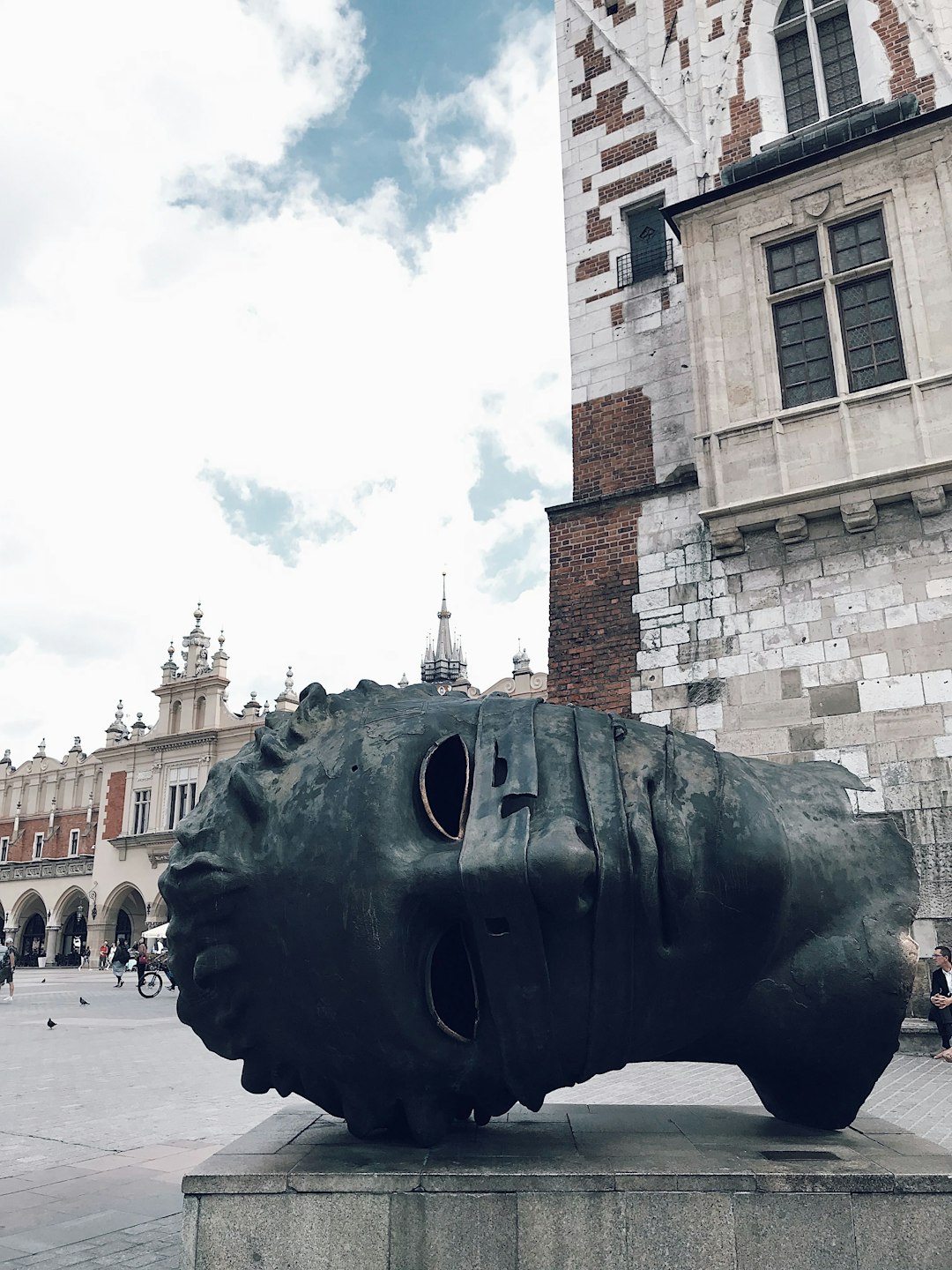
The 14th-century Cloth Hall at the centre of Kraków’s Main Market Square is divided between tourist shops on the ground floor and the Gallery of 19th-Century Polish Painting on the first floor (part of the National Museum; entry approximately PLN 20). Jan Matejko’s monumental canvases are the highlights.
Jagiellonian University Museum
Poland’s oldest university (founded 1364) runs a museum in its original Collegium Maius building on ul. Jagiellońska, with Copernicus-related instruments among the highlights. Guided tours hourly; entry approximately PLN 15. Book ahead as group sizes are limited.
Traditional Crafts and Folk Culture
Skansen (open-air ethnographic museums) preserve traditional Polish rural architecture and way of life. Notable examples:
- Muzeum Wsi Kieleckiej near Kielce (one of the largest in Poland): entry approximately PLN 20
- Kurpie Skansen near Łomża: free entry
- Małopolski Skansen in Wygiełzów: entry approximately PLN 18
Polish folk art - particularly the wycinanki paper cut-outs of Mazovia and Łowicz, and the colourful painted furniture of Podhale - can be purchased from artisan cooperatives in Kraków’s Old Town from approximately PLN 30 upwards.
Classical Music and Opera
- Polish National Opera (Teatr Wielki), Warsaw: world-class productions in one of Europe’s largest opera houses; tickets from approximately PLN 50–300 depending on seat and production. Box office at pl. Teatralny 1; online booking at teatrwielki.pl.
- National Philharmonic, Warsaw: regular symphony and chamber concerts; tickets from approximately PLN 30–80.
- Kraków Philharmonic: prestigious orchestra with a good programme of Polish and international repertoire; tickets from approximately PLN 30.
Practical Tips
- Most major museums are closed on Mondays. Plan accordingly.
- Student discounts (typically 50%) apply at most state-run museums with a valid ISIC card.
- The Kraków Tourist Card (24/48/72-hour) bundles transport with free entry to 40+ museums and sites - good value if you plan more than 3 paid visits.
- Guided city walking tours in Warsaw and Kraków (in English) depart daily from the main squares; tip-based free tours are widely available and typically run 3 hours. For curated options with verified reviews, browse Warsaw guided tours and Kraków guided tours on GetYourGuide.