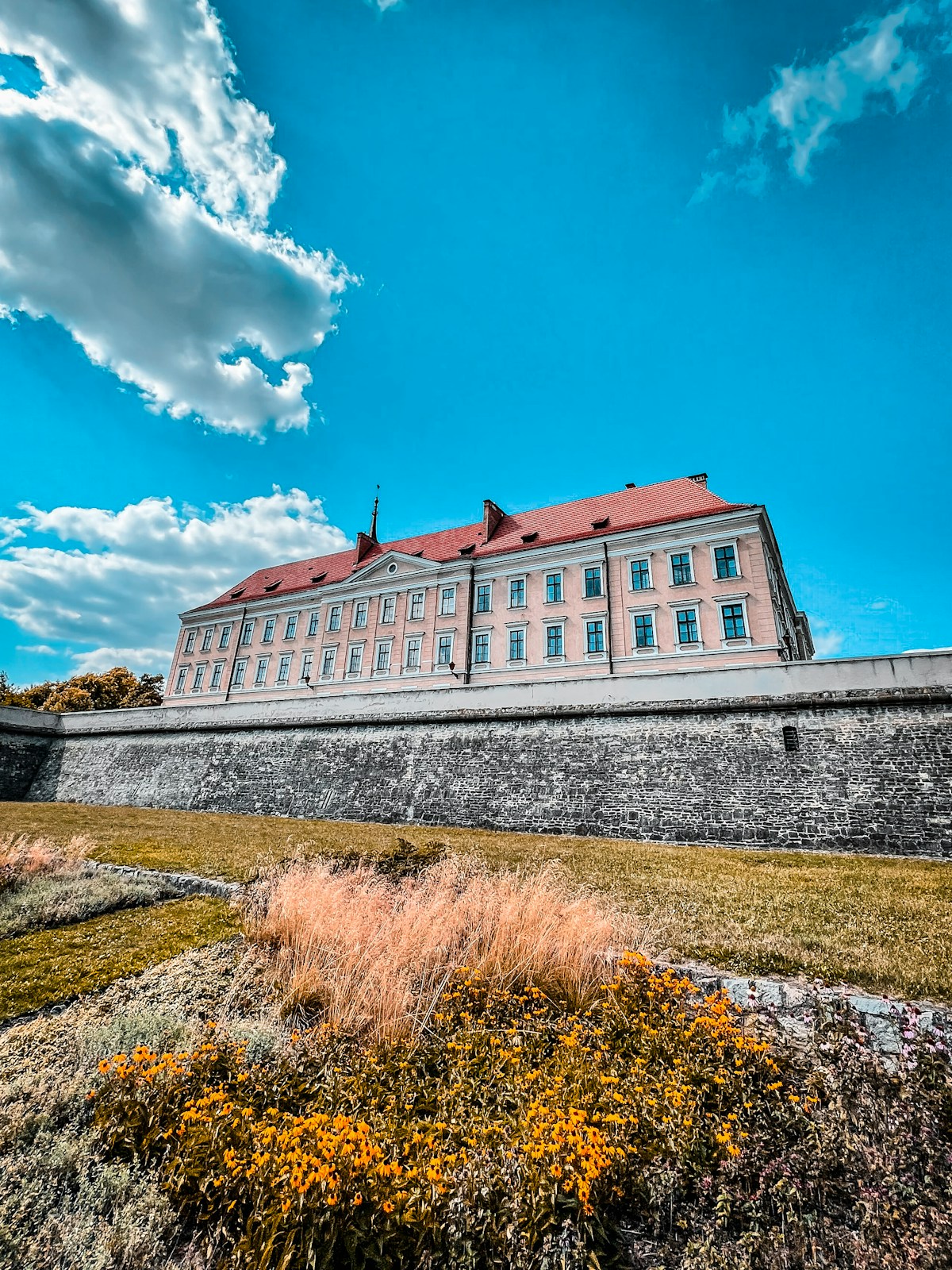
Rzeszów is the capital of the Subcarpathian (Podkarpackie) Voivodeship in southeastern Poland, a city of around 200,000 that is often overlooked by tourists focusing on the Kraków–Warsaw axis. This is a mistake: Rzeszów has a genuinely rewarding historic centre, the best underground route system in southern Poland outside Kraków, and an unparalleled gateway position for exploring the Subcarpathian landscape - a region of rolling hills, fortified churches, wooden architecture, and the remnants of a deeply mixed Polish-Jewish-Ukrainian cultural heritage.
The Market Square and Old Town
Rzeszów’s Rynek (market square) is one of the larger in southeastern Poland - approximately 200 × 200 m - and surrounded by colourful merchant houses dating from the 17th and 18th centuries. The central town hall tower (rebuilt after Second World War damage) is climbable for views over the rooflines. The square is active with cafés, restaurants, and seasonal markets throughout the year.
The Sub-Carpathian Museum (Muzeum Okręgowe) occupies the old city hall building on the square. Its collection covers the history of the Subcarpathia region from prehistory to the 20th century, with particular focus on the region’s multiethnic past - Polish, Jewish, Ukrainian, and Lemko communities all shaped this area. Entry approximately 15 PLN / €3.50 as of 2026.
Underground Tourist Route
Below the market square lies one of the most extensive urban underground route systems in Poland. The Podziemna Trasa Turystyczna consists of cellars, passages, and storage chambers dug between the 14th and 18th centuries. The accessible section extends approximately 369 m through interconnected chambers 3 m below street level. Guided tours run throughout the day and last around 45 minutes.
Entry costs approximately 20 PLN / €4.50 as of 2026. Tours run in Polish with English commentary available on request. The underground maintains a constant temperature of 8–10°C year-round - bring a layer regardless of the weather above.
Rzeszów Castle (Lubomirski Castle)
Rzeszów Castle on ul. Zamkowa was built by the Lubomirski family in the 17th century as a residence and fortification. The largely Baroque structure was modified repeatedly in subsequent centuries and today houses the Regional Court, which limits interior access. The exterior - particularly the distinctive corner bastions and courtyard - is impressive, and the surrounding park garden is pleasant for a walk. The castle museum section is open to visitors; entry approximately 10 PLN / €2.50 as of 2026.
Sobieski Collegiate Church
The Church of the Holy Cross (Kościół Farny) on the market square is Rzeszów’s principal historic church, a late-Gothic and early Baroque basilica with an elaborate interior including ornate chapels of the Lubomirski and Ligęza families. Free entry; open during daylight hours. The adjacent Pijarów Church on ul. 3 Maja has a fine Baroque façade and is worth a brief stop.
Łańcut Palace
The Łańcut Castle (Zamek w Łańcucie) 17 km north of Rzeszów is the most important single sight within reach of the city. This extraordinarily well-preserved palace was the seat of the Lubomirski and later Potocki families until Count Alfred Potocki evacuated his private collection westward in May 1944 - leaving behind the grandest remaining early 18th-century Polish magnate residence in existence. The state rooms, private apartments, a remarkable stable complex, and a carriage museum (one of Europe’s finest collections of historic carriages) are all open.
Entry to the main palace costs approximately 40 PLN / €9 for adults as of 2026; the stable complex and carriage museum are separately ticketed. PKS buses from Rzeszów bus station take about 30 minutes; regular trains also run on the Rzeszów–Łańcut line.
The Subcarpathian Countryside
Rzeszów sits in a region of exceptional rural heritage, including:
- Fortified wooden churches (UNESCO): The Subcarpathian region has several entries on the UNESCO list of Wooden Tserkvas, medieval Ukrainian-tradition Orthodox and Greek Catholic churches preserved in villages throughout the Bieszczady foothills.
- Bieszczady Mountains: Poland’s wildest mountain range begins about 100 km south of Rzeszów, with wolf and bison populations and minimal tourist infrastructure.
- The Trail of Architecture of the Eastern Borderlands: A signposted heritage route through fortified churches, manor houses, and castles in the southeastern corner of Poland.
A car is recommended for exploring the Subcarpathian countryside. Car rental is available at Rzeszów–Jasionka Airport. If you prefer not to drive, guided tours from Rzeszów cover Łańcut and the Bieszczady foothills with transport included.
Search hotels in Rzeszów on Booking.com
More in Rzeszów
- Rzeszów City Guide - overview, restaurants, hotels, and getting there
- Where to Stay in Rzeszów - hotels and hostels in the Old Town and city centre
- Food to Try in Rzeszów - Subcarpathian specialities and the best restaurants
- Bieszczady Hiking - the wild national park accessible as a day trip from Rzeszów
- Dunajec River Gorge Rafting - active day trip option from southeastern Poland
- Lublin City Guide - the other major gateway to eastern Poland, 3 hours west
- 2 Weeks in Poland Itinerary - how Rzeszów and the Bieszczady fit a longer route
- Flights to Poland - Rzeszów Jasionka Airport has direct connections to several European cities