Rzeszów Travel Guide: Gateway to the Subcarpathian Region
Rzeszów travel guide: underground tourist route, baroque castle, market square, and day trips to Łańcut Palace in southeastern Poland's Subcarpathia.
Guides for Rzeszów
Rzeszów is the largest city in southeastern Poland and the capital of Subcarpathia (Podkarpacie) - a region of gently rolling countryside between the Vistula valley and the Carpathian foothills. The city is primarily a regional administrative and university centre, but its preserved Old Town, unusual underground heritage, and position as the gateway to both Łańcut’s palatial complex and the Bieszczady mountains give it substance as a travel destination. Tours in southeastern Poland can cover Łańcut Castle and the Bieszczady in a single organised day trip from the city.
Top Things to See and Do
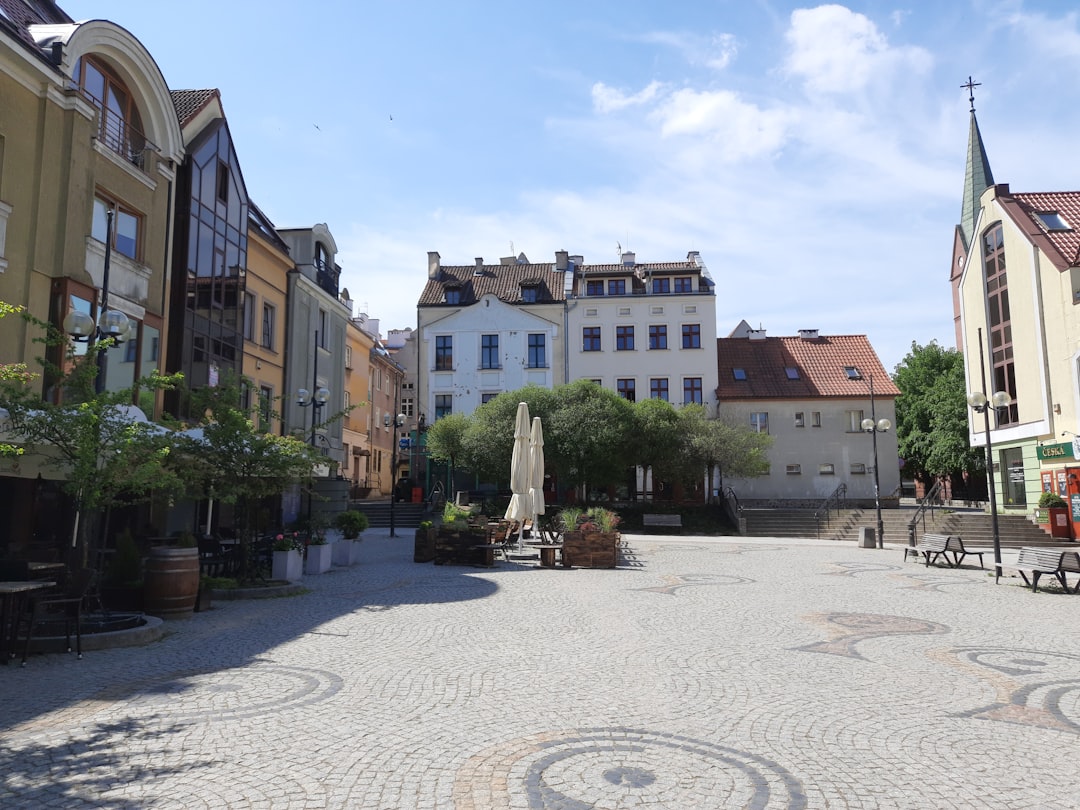
Rzeszów Market Square and Old Town The main market square (Rynek) is surrounded by Baroque townhouses and dominated by the ornate City Hall (Ratusz), rebuilt in its current form in the 19th century on a 16th-century core. Entry to the Old Town is free. The square is pleasant for coffee and people-watching; the surrounding streets preserve a reasonable amount of pre-20th-century fabric. The Bernardine Monastery and Church of the Holy Cross on the square’s southern edge have notable interior decorations.
Underground Tourist Route (Podziemna Trasa Turystyczna) Beneath the market square, a network of interconnected medieval merchant cellars forms a 500-metre walking route through Rzeszów’s underground heritage. Entry approximately PLN 18 as of 2026. Guided tours run several times daily (confirm the English-tour schedule at the booking desk on the square); tours last approximately 45–50 minutes. The cellars date primarily to the 14th–16th centuries, when Rzeszów was an important market town on the trade route between Kraków and Lwów (now Lviv, Ukraine). Some chambers are large enough to have functioned as subterranean markets in their original use.
Łańcut Castle Approximately 17 km east of Rzeszów (30 minutes by bus or car), Łańcut Castle is a Baroque palace built in the early 17th century and substantially expanded in the 18th century by the Lubomirski family and later the Potockis. The palace museum covers 17 elaborately furnished rooms including the ballroom, the Turkish apartment, a large sculpture gallery, and the private chapel. Entry approximately PLN 30 as of 2026; closed Mondays.
The castle’s coach house museum is the largest collection of historic horse-drawn carriages in Europe - over 60 vehicles from the 17th to early 20th centuries. This section requires a separate ticket (approximately PLN 15 as of 2026) and is well worth including.
PKS buses run from Rzeszów bus station to Łańcut several times daily; journey approximately 30–40 minutes, approximately PLN 8 as of 2026.
Rzeszów Castle An Arian synagogue converted to a castle in the 17th century, now housing a court building. The exterior is visible on a walk through the city; the structure is an unusual example of the repurposing of religious buildings for civic functions in the post-Reformation period. Not open for independent tourism, but the exterior architecture is worth noting.
Rzeszów Underground Cisterns A separate underground system from the Tourist Route - the 18th-century water cisterns (Podziemny Zbiornik Wody) beneath the Old Town were part of the city’s water supply infrastructure and now form a secondary underground attraction. Entry approximately PLN 12 as of 2026; check hours locally.
Guided Tours in Rzeszów and Subcarpathia
Guided visits to the Underground Tourist Route, day trips to Łańcut Castle, and organised Bieszczady mountain excursions are available from the city centre. For the Bieszczady in particular, a guide is valuable - the range is extensive, many trailheads are not well signposted in English, and local knowledge of seasonal conditions makes a significant difference.
Browse guided tours in southeastern Poland and Rzeszów.
Where to Stay in Rzeszów
Hotel Rzeszów - from PLN 280 per night A central full-service hotel on ul. Szopena near the Old Town, Hotel Rzeszów offers standard business-hotel comfort in a convenient location. Rooms are functional and well maintained; breakfast is good. From approximately PLN 280 per night as of 2026.
Ambasador Hotel - from PLN 260 per night A well-regarded mid-range hotel in the city centre, the Ambasador has comfortable rooms and reliable service. Popular with business travellers; quieter and better priced on weekends. From approximately PLN 260 per night as of 2026.
Hostel Rzeszów - from PLN 60 per night A budget hostel in the city centre, offering clean dorm and private rooms at low rates. From approximately PLN 60 per dorm bed as of 2026. Good for backpackers moving through the region.
Search hotels in Rzeszów on Booking.com
Where to Eat
Restauracja Staromiejska A traditional Polish restaurant in the Old Town with a menu of regional Subcarpathian specialities alongside standard Polish cooking. Mains approximately PLN 40–70 as of 2026. Popular with local families on weekends.
Piwnica pod Ratuszem A cellar restaurant on the market square under the City Hall building. The setting - in one of the historic underground cellars - adds to the atmosphere. Polish and Central European cooking, mains approximately PLN 45–75 as of 2026. Good for an evening meal if visiting the underground route earlier in the day.
Kawiarnia Rzeszowska A long-established café on the market square, well regarded for coffee, pastries, and light lunches. Useful for a break between the underground route and the castle district. Approximately PLN 15–30 per person as of 2026.
Getting to Rzeszów
From Warsaw by train: PKP InterCity trains from Warsaw Centralna to Rzeszów Główny in approximately 3.5–4 hours. Tickets from approximately PLN 80–160 as of 2026.
From Warsaw by air: LOT and Ryanair operate flights from Warsaw Chopin to Rzeszów Jasionka Airport in approximately 1 hour. Budget return fares are often comparable to train prices; for total journey time, flying can be faster door-to-door.
From Kraków: Train approximately 2 hours from Kraków Główny. Buses also available, roughly similar journey time.
From Lublin: Bus approximately 2.5–3 hours.
Getting Around Rzeszów
The Old Town, underground route, and main hotels are walkable from each other. City buses cover the wider urban area. Bolt and Uber operate in Rzeszów. For Łańcut and the Bieszczady mountains, a rental car significantly increases flexibility - car hire is available at the airport and train station.
Tips for Visiting Rzeszów
- Łańcut Castle is closed on Mondays - plan the day-trip visit accordingly.
- The underground route tours run at fixed intervals; check the schedule posted at the booking point on the market square and time your arrival accordingly rather than turning up and waiting.
- Rzeszów’s airport (Jasionka, approximately 10 km from the centre) is a hub for Polish Ukrainians crossing the border - the area around the station and bus terminal can be busy with transit traffic.
- The Bieszczady mountains require at least a full additional day and ideally two - Rzeszów makes a practical base, but the mountain villages (Ustrzyki Dolne, Komańcza, Cisna) are genuinely remote and the roads are slow. Car hire from Rzeszów is the most practical way to reach the smaller Bieszczady trailheads without relying on infrequent buses.
More in Rzeszów
- Things to Do in Rzeszów - underground route, Łańcut Castle, and all activities in detail
- Where to Stay in Rzeszów - hotels and hostels in the Old Town and city centre
- Food to Try in Rzeszów - Subcarpathian specialities and the best restaurants in the city
- Bieszczady Hiking - the wild mountain national park accessible from Rzeszów
- Zamość City Guide - UNESCO Renaissance city, 2.5–3 hours north by bus
- Lublin City Guide - eastern Poland’s cultural capital, further north on the same corridor
- Kraków City Guide - 2 hours west by train; the main regional hub for southern Poland
- Getting Around Poland - Rzeszów’s rail and flight connections to Warsaw and beyond
Frequently Asked Questions
- How far is Rzeszów from Warsaw?
- Rzeszów is approximately 330 km southeast of Warsaw. PKP InterCity trains take approximately 3.5–4 hours; tickets from approximately PLN 80–160 as of 2026. LOT and Ryanair operate flights from Warsaw Chopin to Rzeszów Jasionka in approximately 1 hour - often faster door-to-door for the full journey.
- Is Łańcut Castle worth visiting from Rzeszów?
- Yes - Łańcut Castle is one of the finest Baroque palaces in Poland and well worth the 30-minute drive or bus journey. The palace museum covers the history of the Potocki and Lubomirski families across 17 palatial rooms; the coach house contains Europe's largest collection of historic horse-drawn carriages. Entry approximately PLN 30 as of 2026; closed Mondays.
- What is the Rzeszów Underground Tourist Route?
- A network of medieval merchant cellars and passages beneath the Old Town market square, connected into a tourist route approximately 500 metres long. Entry approximately PLN 18 as of 2026. Guided tours run several times daily and last about 45 minutes. The cellars date to the 14th–16th centuries and were used for storage and trade; several are large enough to have hosted markets.
- Is Rzeszów a good base for the Bieszczady mountains?
- Yes. Rzeszów is the primary urban gateway to the Bieszczady range (UNESCO-listed as part of the Eastern Carpathians biosphere reserve), approximately 100–130 km southeast. The range offers some of the most remote walking in Poland - rolling subalpine meadows (połoniny) without the crowds of the Tatras. A car is necessary for most Bieszczady access points.
Upcoming Events in Rzeszów
Poland Independence Day: 11 November Celebrations
Poland Independence Day, 11 November. Commemorating independence regained in 1918: main march in Warsaw, ceremonies in cities nationwide.
- Great Orchestra of Christmas Charity (WOŚP) Grand Finale 2027
WOŚP Grand Finale 2027, 12 January. Poland's largest charity fundraiser: volunteers collect donations nationwide, ending with a light heart ceremony.
Book an experience
Top experiences in Rzeszów
Explore the best tours and activities in Rzeszów - instant confirmation, free cancellation on most bookings.