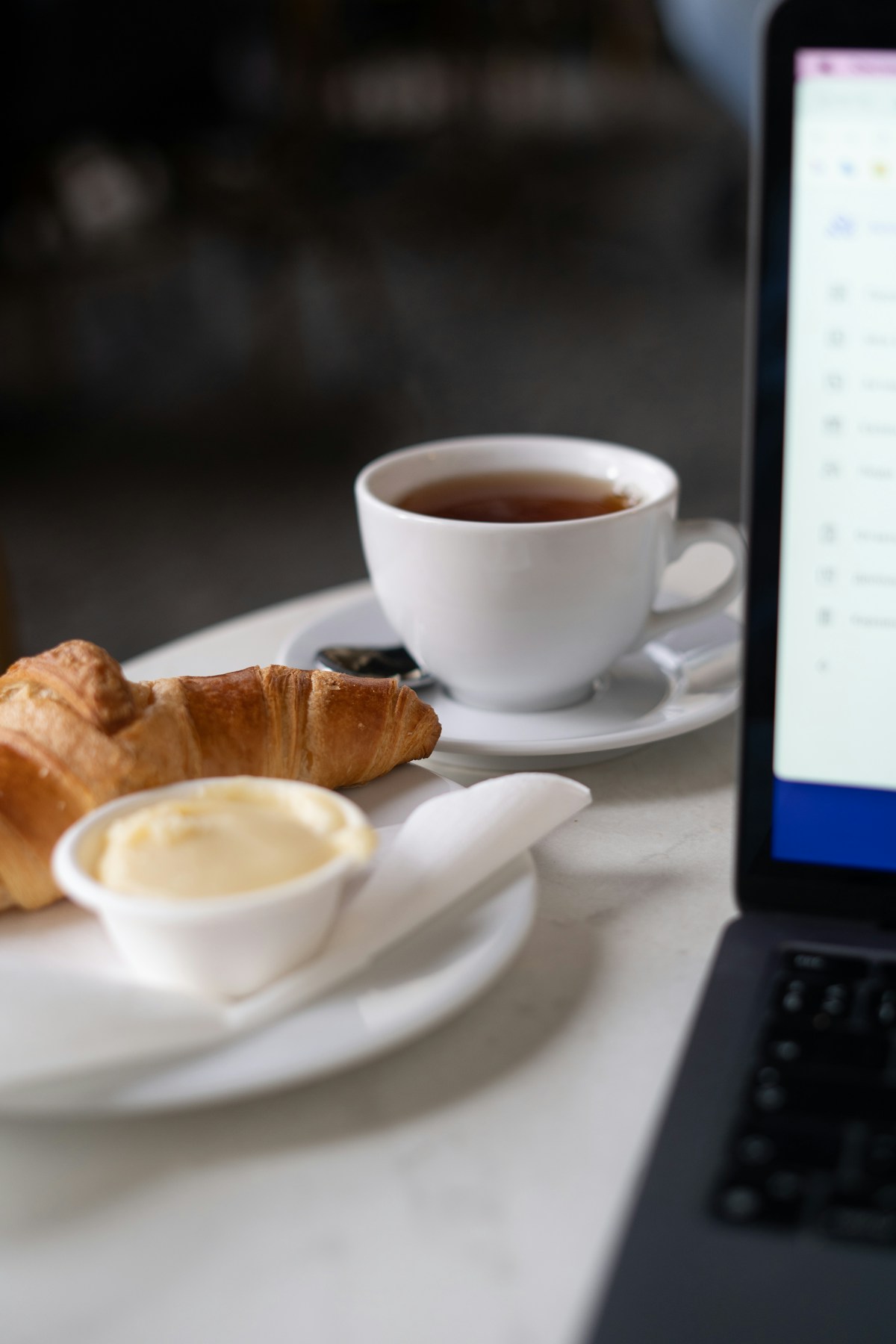
Poland offers a combination that’s hard to find in Western Europe: fast internet, modern coworking infrastructure, a functional and affordable public transport system, and a cost of living that sits well below Berlin, Vienna, or Copenhagen. For remote workers who value Central European time (UTC+1/+2), proximity to the rest of Europe, and a functioning urban environment, it’s an increasingly obvious choice.
Why Poland Works for Remote Workers
Internet infrastructure is the first point in Poland’s favour. Average fixed broadband speeds exceed 90 Mbps nationally as of 2026, with Warsaw and Kraków consistently faster. Fibre connections are standard in modern apartments. Mobile data (LTE/5G via Plus, Orange, T-Mobile Poland, or Play) is fast and affordable - an eSIM for Poland is the simplest way to arrive connected without hunting for a SIM card on day one.
Time zone (CET/CEST - UTC+1 in winter, UTC+2 in summer) puts Poland in the same working hours as most of Western Europe and gives reasonable overlap with US East Coast mornings. Calls at 9am Eastern are 3pm or 4pm in Warsaw - manageable.
Cost of living is significantly lower than Western European capitals while maintaining a high quality of urban life. Warsaw is the most expensive Polish city by some margin; Kraków, Wrocław, and Gdańsk are materially cheaper for accommodation and daily expenses.
English proficiency is high among the working-age population, particularly in cities. Tech, finance, and creative industries operate in English routinely. Navigating daily life - supermarkets, banks, cafés - is straightforward without Polish language skills.
Cost of Living Breakdown (2026 estimates)
Warsaw (per month, one person):
| Category | Approximate cost |
|---|---|
| 1BR apartment, city centre | PLN 3,000–5,000 |
| 1BR apartment, outer districts | PLN 2,200–3,500 |
| Coworking desk (hot desk) | PLN 600–1,000 |
| Monthly transit pass | PLN 120 |
| Groceries (cooking most meals) | PLN 600–1,000 |
| Eating out (3–4 meals/week) | PLN 400–800 |
| Total (comfortable, city centre) | PLN 5,000–9,000 |
Kraków is typically 20–30% cheaper for accommodation than Warsaw. A 1BR in central Kraków runs approximately PLN 2,000–3,500 as of 2026. See our coworking in Kraków guide for workspace-specific costs.
Search hotels in Poland on Booking.com
Schengen Rules for Non-EU Nomads
Poland is a full Schengen Area member. Non-EU/EEA passport holders (USA, UK, Australia, Canada, and most others) can enter Poland without a visa and remain in the Schengen Area for a maximum of 90 days within any 180-day rolling period.
This 90-day allowance covers the entire Schengen Area, not just Poland. A month in Germany followed by two months in Poland exhausts the 90-day allowance within that 180-day window.
For stays beyond 90 days, a Polish national (D-type) long-stay visa is required. Poland does not offer a dedicated digital nomad visa as of 2026; a freelance or self-employment visa route exists but requires documentation of Polish business registration or remote employment. EU citizens face none of these restrictions and can reside and work freely under freedom of movement.
Coworking in Warsaw
Brain Embassy Warsaw (multiple locations, including the Browary Warszawskie complex) is one of Warsaw’s larger coworking operators. Hot desk prices run approximately PLN 700–900/month; dedicated desks and private offices are also available. Good amenities, fast internet, meeting rooms.
WeWork Warsaw operates in the Mennica Legacy Tower and other downtown buildings. Pricing at the premium end of the Warsaw market, with global network access as part of the package.
Reaktor Warsaw (ul. Puławska) is a tech-community-focused coworking space with a startup-heavy membership. Day passes and monthly options available; strong networking culture if you’re in tech or product roles.
Café working: Warsaw has good café culture for occasional working. Cafe Kafka (Powiśle neighbourhood) and Filtry Cafe (near the old waterworks) both offer reliable WiFi, good coffee, and enough space to work without feeling pressured to turn tables. Neither charges for WiFi; the social norm is one drink per hour or so.
Coworking in Kraków
CitySpace Kraków and Planergia are the main operators - covered in detail in our coworking in Kraków guide.
Banking and Money
Revolut and Wise are the practical tools for most nomads. Both support PLN accounts or PLN conversion at near-interbank rates. Revolut’s Polish presence is strong; the app shows prices in PLN automatically when your SIM or location detects Poland.
Local bank accounts (mBank, Santander Poland, ING Bank Śląski) require an address and PESEL number. A PESEL is issued to foreigners registering residency. For stays under 90 days, a local account isn’t usually necessary. For longer stays, mBank’s online-first account has a reasonable English interface.
ATMs: Widely available in cities. Use machines attached to banks rather than standalone Euronet ATMs, which add conversion fees. Bolt and Uber accept cards; most supermarkets and restaurants accept Visa/Mastercard.
Healthcare for Nomads
EU/EEA citizens with EHIC/GHIC: Full access to state healthcare at Polish resident rates - essentially free at state (publiczny) facilities.
Non-EU nomads: Need private insurance or travel insurance with medical cover. EKTA and SafetyWing both serve the nomad market. Polish private clinics are accessible, competent, and significantly cheaper than Western European equivalents for routine care - a GP visit at a private clinic runs approximately PLN 150–250 as of 2026. See our travel insurance for Poland guide for details.
Best Cities for Nomads Ranked
Warsaw - best network, most coworking options, highest cost. Good for corporate remote workers or those prioritising professional networking.
Kraków - best balance of livability and cost. Strong English-language café and coworking culture. University city energy. 20-30% cheaper than Warsaw for most categories.
Wrocław - growing tech sector, very international university population, lower cost than Warsaw or Kraków. Good craft beer scene; underrated for quality of life.
Gdańsk - Baltic coast, seasonal feel. Lower winter energy than inland cities, excellent summer. Good for those prioritising lifestyle over networking density.
If you’re moving between cities, car hire in Poland gives flexibility for day trips or relocations between bases that trains don’t cover efficiently - particularly useful for reaching smaller towns or rural areas around Kraków and Wrocław.
City Guides for Remote Workers
- Warsaw City Guide - the capital with the most coworking options and professional infrastructure
- Kraków City Guide - best value for cost of living with a strong international nomad scene
- Wrocław City Guide - growing tech hub with a large student population and lower costs
- Gdańsk City Guide - Baltic coast lifestyle for those prioritising environment over networking
- Coworking in Kraków - the best coworking spaces in Kraków by neighbourhood and type
- Poland Budget Guide - detailed cost breakdown for daily living and working expenses
- Poland eSIM and SIM Card Guide - data options for staying connected across Poland
- Getting Around Poland - fast trains make multi-city nomad life genuinely practical