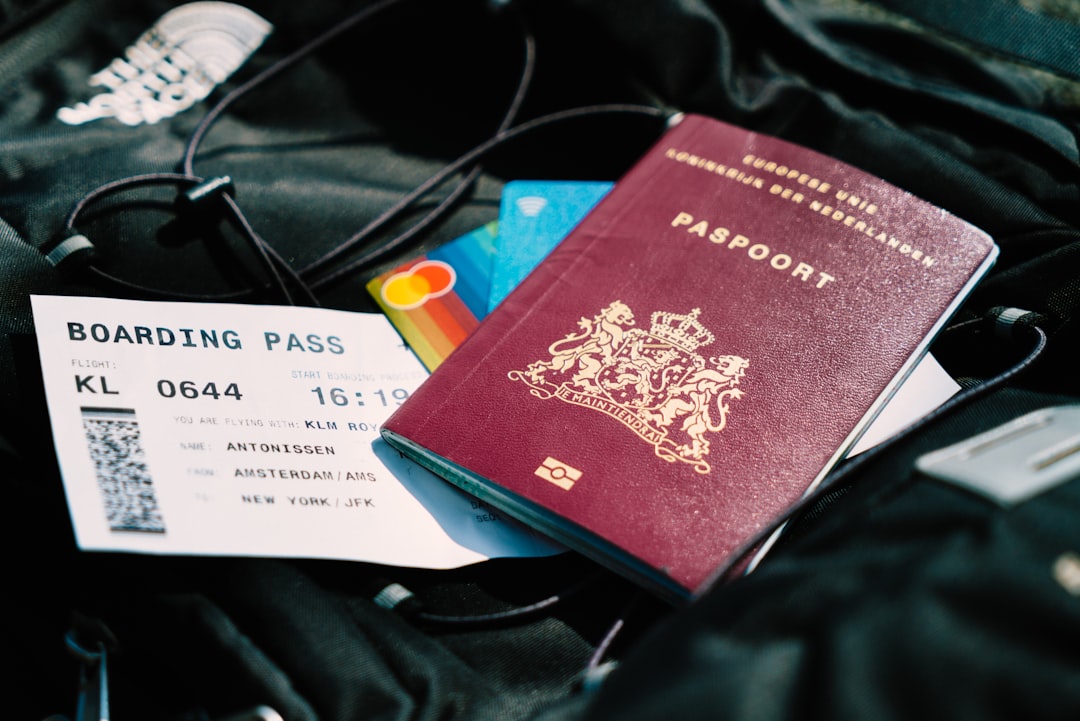
Poland is a safe country to travel in, with good infrastructure and a functioning public healthcare system. But “safe” doesn’t mean “risk-free.” A sprained ankle on Kraków’s cobblestones, a ski collision on the slopes above Zakopane, or a stolen bag on a Warsaw tram are all routine incidents that travel insurance handles cleanly - without insurance, each one becomes a financial problem.
Healthcare in Poland: What Travellers Need to Know
Poland operates a public healthcare system (NFZ - Narodowy Fundusz Zdrowia). State hospitals and clinics are found in every city. Quality in major cities is generally good; rural areas have more limited specialist capacity.
EU/EEA citizens with EHIC or GHIC can receive medically necessary treatment at state facilities at no charge or at reduced cost - the same terms available to Polish residents. Your card must be in date. Present it at check-in; don’t go to a private clinic expecting EHIC to be accepted there.
Non-EU travellers (including UK citizens post-Brexit, US, Canadian, Australian, and others) have no reciprocal healthcare agreement with Poland. A hospital visit, X-ray, or overnight stay without insurance means paying the full rate out of pocket. Costs in Polish private hospitals are lower than in Western Europe, but a serious incident can still run into thousands of PLN quickly.
UK citizens note: the GHIC (Global Health Insurance Card) replaced the UK’s version of the EHIC post-Brexit and is accepted in Poland on equivalent terms.
Why EHIC Isn’t Enough
Even for EU citizens with a valid EHIC, the card has significant gaps:
- Repatriation costs - flying home on a medical stretcher, or paying for a companion to travel with you, is not covered by EHIC.
- Private hospitals - if the nearest clinic is private (prywatny), EHIC won’t apply. Private walk-in clinics are common in Polish cities and often faster.
- Trip cancellation and curtailment - if you have to cancel before you go due to illness, or cut a trip short, EHIC offers nothing.
- Theft and baggage loss - pickpocketing happens in Warsaw’s Old Town and around Kraków’s main square. EHIC covers none of this.
- Adventure activities - hiking, kayaking in Masuria, cycling the Vistula trail, or climbing in the Tatras often require specific activity endorsements on travel insurance.
Ski and Adventure Activity Cover
Zakopane, in the Tatra mountains near the Slovak border, is Poland’s main ski destination. Kasprowy Wierch and Gubałówka draw domestic and international skiers from December through March. Mountain rescue in Poland (TOPR - Tatrzańskie Ochotnicze Pogotowie Ratunkowe) is technically free for rescues within Poland, but a helicopter evacuation followed by hospital treatment can still generate significant costs.
If you’re skiing or snowboarding, verify that your policy includes:
- On-piste and (if relevant) off-piste cover
- Ski equipment theft or damage
- Piste closure reimbursement
- Medical evacuation
EKTA’s travel insurance can be configured to include winter sports activity cover. Check the exact policy wording for the activities you plan.
What to Look for in a Poland Travel Insurance Policy
Medical coverage minimum: For non-EU travellers, we recommend at least €50,000–€100,000 in emergency medical cover. The Schengen visa minimum of €30,000 is a legal floor, not a practical recommendation.
Cancellation cover: Useful if you’ve booked internal flights between Polish cities or pre-paid tours. Look for “cancel for any reason” if you want maximum flexibility.
Theft and personal belongings: Warsaw and Kraków city centres see petty theft. Keep a record of serial numbers for electronics. Most policies require a police report (zgłoszenie na policji) to process a claim.
24-hour assistance line: A Polish-language assistance line or one with Polish-speaking staff is a genuine plus in an emergency.
Typical Costs
Travel insurance for a one-week trip to Poland from the UK or Western Europe typically runs approximately €12–€30 as of 2026, depending on the level of cover and whether winter sports are included. Longer trips and older travellers cost proportionally more. Annual multi-trip policies are worth comparing if you travel three or more times per year.
For Digital Nomads and Longer Stays
If you’re staying in Poland for more than a month - perhaps working remotely from Kraków or Warsaw - look at policies designed for extended stays rather than single-trip tourist insurance. SafetyWing’s nomad plan and EKTA’s longer-term options both serve this use case. See our digital nomad guide to Poland for more on healthcare, banking, and longer-term living costs.
Search hotels in Poland on Booking.com
Summary
| Traveller type | Minimum recommended cover |
|---|---|
| EU/EEA with valid EHIC | Supplemental: cancellation + baggage + repatriation |
| Non-EU (USA, UK, Australia, etc.) | Full medical + emergency evacuation + cancellation |
| Schengen visa required | At least €30,000 medical (visa requirement) |
| Skiing or adventure activities | Add winter sports / activity endorsement |
Poland is an easy country to travel in, but travel insurance is one of those things you only regret not having once. Sorting it before you fly takes ten minutes and costs less than a dinner in Warsaw. Compare travel insurance options for Poland to find cover that suits your trip length and planned activities.
City Guides
- Warsaw City Guide - the capital and most visited entry point
- Kraków City Guide - the most popular city for international visitors
- Zakopane City Guide - mountain activities require specific winter sports coverage
- Flight Delay Compensation - your rights under EU261/2004 for disrupted flights
- First Time in Poland - essential planning tips including insurance and safety
Plan Your Trip
✈️ Book your flights to Poland 🛡️ Get travel insurance 📱 Stay connected with an eSIM 🚗 Rent a car