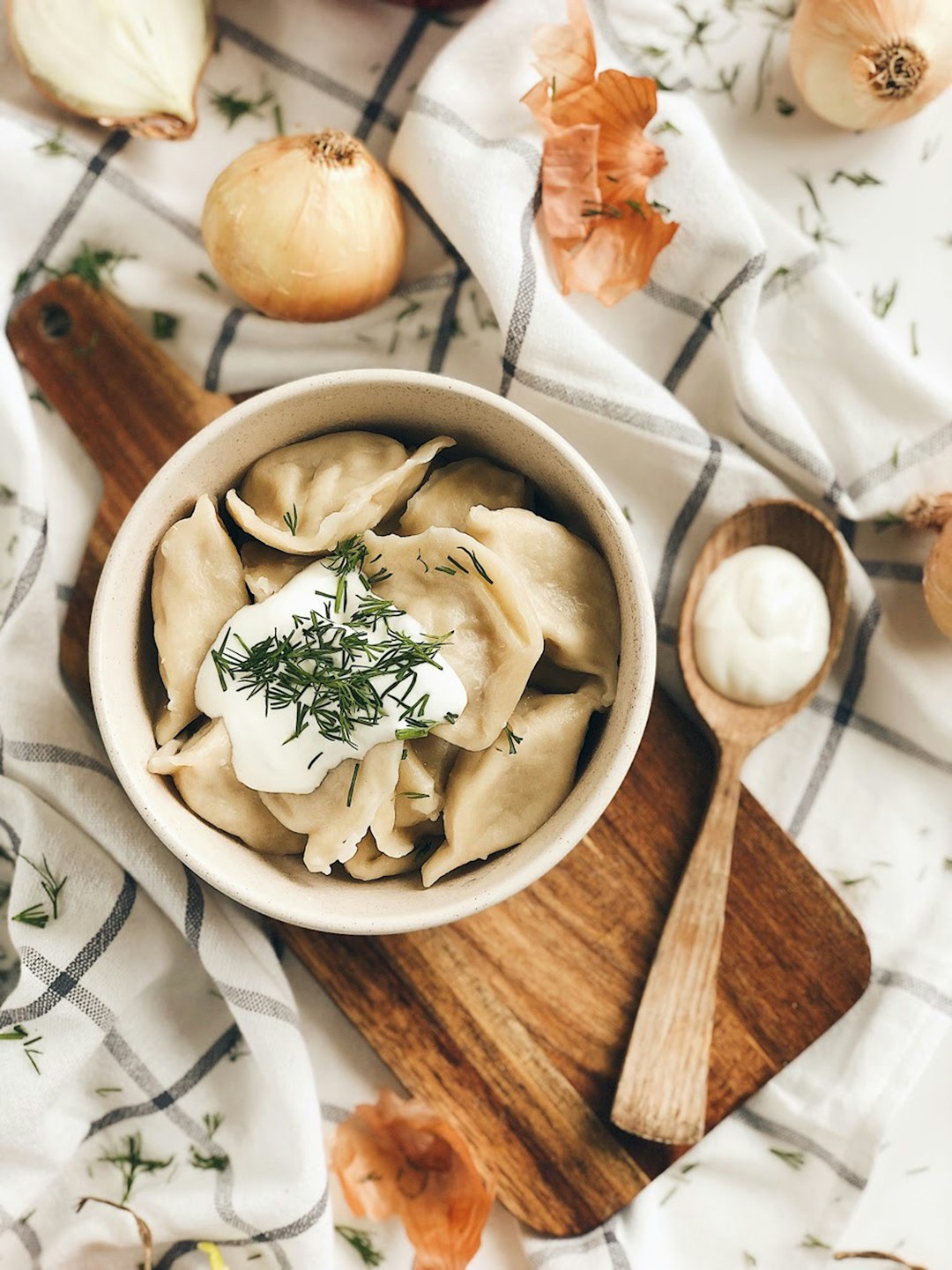
Poland has gone from a country where restaurant choice meant picking between pork schnitzel or pierogi to one with a serious, internationally noticed dining scene. Warsaw’s top restaurants are competing for Michelin recognition; Kraków’s cellar-restaurant culture is one of the most atmospheric in Central Europe; Gdańsk and Wrocław have carved out their own identities. Here is our guide to the best places to eat across the country, by city.
Warsaw
Warsaw has the most diverse and internationally sophisticated dining scene in Poland. The Old Town and Śródmieście neighbourhoods have the highest concentration; Praga across the river is the emerging creative dining district. Food tours in Warsaw are a practical way to cover the main neighbourhoods before deciding where to book.
Traditional and Mid-Range
Restauracja Miseria (ul. Chmielna 13) - A good example of updated Warsaw cooking: żurek, bigos, and roasted meats done with care. Reliable quality and helpful staff. Main courses approximately PLN 55–90 as of 2026. Open daily 12:00–22:00.
Zapiecek Polskie Pierogarnie (ul. Nowy Świat 64 and other locations) - The most reliable mid-range chain for traditional pierogi. Ruskie, meat, mushroom-and-sauerkraut, spinach-and-feta: the menu covers the full range. A plate of 8–10 pierogi approximately PLN 28–40. Open daily 11:00–22:00.
Bar Bambino (ul. Krucza 21) - The most famous surviving milk bar in Warsaw. Soup, main and kompot for approximately PLN 25–30 total. Weekday lunch only; joins a queue or expect a short wait.
Dom Polski (ul. Francuskiej 11, Saska Kępa district) - Warsaw’s most respected venue for Polish home cooking: flaczki (tripe), roast duck, barszcz z krokietem. Booking recommended. Mains approximately PLN 60–90.
Fine Dining
Atelier Amaro (ul. Agrykola 1) - Poland’s most acclaimed restaurant, run by Wojciech Modest Amaro. Seasonal tasting menus built from Polish foraged and farmed produce. Michelin recognition and a finalist on the Pellegrino 100. Prix fixe menus from approximately PLN 400 per person (without drinks). Reservation essential; book via the website 2–4 weeks ahead.
Nolita (ul. Wilcza 46) - Modern European with strong Polish sourcing. One of Warsaw’s most consistent high-end options; approximately PLN 250–350 per person for a full evening. Booking recommended.
Biała Róża (ul. Moliera 6) - Grand dining room in a restored palace; classic French-Polish cooking with an emphasis on game and river fish. Mains approximately PLN 100–150.
Kraków
Kraków’s restaurant scene benefits enormously from its underground cellar culture - dozens of vaulted medieval basements have been converted into atmospheric dining rooms. The Jewish quarter (Kazimierz) is the liveliest area. Food and cellar tours in Kraków are a useful way to sample several venues across the historic centre before committing to a full booking.
Traditional
Wierzynek (ul. Rynek Główny 15) - Claims to be the oldest restaurant in Poland (founded 1364, though with obvious interruptions). In the main market square, reliably good Polish cooking in a historic setting. Reservations recommended. Mains approximately PLN 80–140.
Gospoda CK Dezerter (ul. Bracka 6) - A stalwart Kraków traditional restaurant with excellent bigos, pierogi and roast duck. Medium prices; mains approximately PLN 45–85. Open daily 12:00–23:00.
Marchewka z Groszkiem (ul. Sławkowska 2) - One of the best modern Polish restaurants in Kraków; tasting menus around PLN 200 per person highlight seasonal produce and regional cheeses. Booking essential.
Kazimierz (Jewish Quarter)
Dawno Temu na Kazimierzu (ul. Szeroka 1) - Jewish-Polish cooking in Kazimierz, with klezmer music evenings on weekends. A cultural experience as much as a meal. Mains approximately PLN 50–80.
Singer Café (ul. Estery 20) - Informal all-day bar and restaurant with good pierogi, herring in various preparations and excellent Polish cheesecake (sernik). Open from morning until late; mains approximately PLN 35–65.
Restauracja Rubinstein (ul. Szeroka 12) - Named after Helena Rubinstein (born in Kraków’s Jewish quarter), with thoughtful Jewish-influenced Polish cooking. Mains approximately PLN 60–95.
Budget
Bar Mleczny Pod Temidą (ul. Grodzka 43) - The Old Town’s reliable traditional milk bar; full hot meal approximately PLN 22–28. Open daily 11:00–20:00.
Pierogarnia Krakus (ul. Starowiślna 32) - Straightforward Kraków pierogi spot; 8 pierogi plus soup approximately PLN 30. No bookings, just queue.
Gdańsk
Gdańsk’s restaurant identity is shaped by its Baltic location and Hanseatic trading history. Fish, amber ales and a slightly more international flavour than inland cities.
Restauracja Kubicki (ul. Wartka 5) - Established in 1918, one of the oldest restaurants in Gdańsk; traditional northern Polish cooking with Baltic fish. Mains approximately PLN 60–100. Booking recommended at weekends.
Złoty Kur (ul. Szeroka 52/54) - Specialises in Kashubian cuisine; freshwater fish soups, grey dumplings, regional cheeses. Good service and strong regional identity. Mains approximately PLN 55–90.
Brovarnia (ul. Szafarnia 9) - Craft brewery and restaurant on the Motława river with excellent Baltic seafood and house-brewed beers. Fried flounder approximately PLN 55; a pint of house beer approximately PLN 20.
Filharmonia (ul. Ołowianka 1) - Inside the former granary on Granary Island; one of Gdańsk’s best fine dining addresses with views over the waterfront. Tasting menus from approximately PLN 200 per person.
Wrocław
Wrocław’s culinary scene is younger and more creative than Kraków’s, driven partly by the student population and partly by the city’s eclectic history as a former German, Jewish and now Polish city.
Jadka (ul. Rzeźnicza 24/25) - Considered Wrocław’s best restaurant; updated Polish cooking with excellent seasonal sourcing. Tasting menus from approximately PLN 200–280 per person. Booking essential.
Konrad (ul. Świdnicka 53b) - Traditional Silesian cooking in a stylish setting; kluski śląskie, rolada śląska and a good selection of Silesian wines. Mains approximately PLN 45–75.
Restauracja Magnolia (ul. Świdnicka 21) - Upscale Polish in the city centre; game dishes, river fish and modern desserts. Mains approximately PLN 70–110.
Bar Vegi (ul. Świdnicka 36) - Wrocław’s best vegetarian restaurant; entirely plant-based menu based on Polish tradition. Open daily; mains approximately PLN 30–50.
Poznań
Brovaria (ul. Stary Rynek 73) - Microbrewery and restaurant on the main market square; Wielkopolska cooking (pyry z gzikiem, stuffed cabbage, smoked meats) alongside house-brewed beers. Mains approximately PLN 55–90.
Restauracja Le Palais (ul. Fredry 12) - Poznań’s most ambitious fine dining venue; French-influenced with strong local sourcing. Prix fixe menus from approximately PLN 200 per person.
Boscaiola (ul. Zamkowa 9) - Italian-Polish fusion that works well; wood-fired pizza and Polish pasta dishes side by side. Popular with locals. Mains approximately PLN 45–70.
Across Poland: What to Order
Wherever you eat in Poland, these are reliable choices:
- Żurek - sour rye soup with white sausage and egg. Available everywhere; the definitive Polish soup.
- Pierogi ruskie - potato and white cheese dumplings. A baseline standard; quality varies.
- Bigos - hunter’s stew of cabbage and mixed meats. Best at lunch (it’s been simmering longest).
- Schab pieczony - roast pork loin. The Monday lunch staple in many traditional restaurants.
- Sernik - Polish cheesecake made with twaróg; denser and less sweet than American-style versions.
- Kompot - warm or cold stewed fruit drink, the traditional accompaniment to a milk bar meal.
Book a Polish Food Tour
Food tours are available across Poland’s major cities, but Warsaw and Kraków are where the organised food tour scene is most developed. A Kraków tour typically moves through the Kazimierz market, one or two cellar restaurants, and a vodka tasting - covering the Jewish-Polish food tradition and the medieval cellar culture in three to four hours. Warsaw tours tend to focus on the neighbourhood contrast between the milk bar culture of Śródmieście and the creative restaurant scene that has developed in Praga and Powiśle. Book a food tour in Kraków or Warsaw to get the most from a first visit to Poland’s eating culture.
Booking and Practical Notes
- Advance booking is strongly recommended at top-tier Warsaw and Kraków restaurants, especially on Friday and Saturday evenings. For a broader sampling of Polish food culture without the reservation pressure, guided food experiences across Poland include tastings and market visits that work well alongside independent dining.
- Most restaurants are open for lunch from 12:00 and for dinner until 22:00–23:00. Some close between 15:00 and 18:00.
- Service charge is not automatically added; tipping 10–15% is standard at sit-down restaurants.
- Credit cards are widely accepted. Cash is preferred at milk bars.
- Sunday lunch is still a significant social institution; many restaurants run a dedicated lunch menu with slightly higher prices on Sundays.
Plan Your Trip to Poland
- Travel insurance for Poland - medical, cancellation, and trip interruption cover; get a quote before departure
- Poland eSIM - data coverage from arrival; activate before you fly
- Book a food tour in Poland - guided tastings in Warsaw and Kraków with local context on Polish food culture
- Find hotels in Poland - accommodation across all budgets in Poland