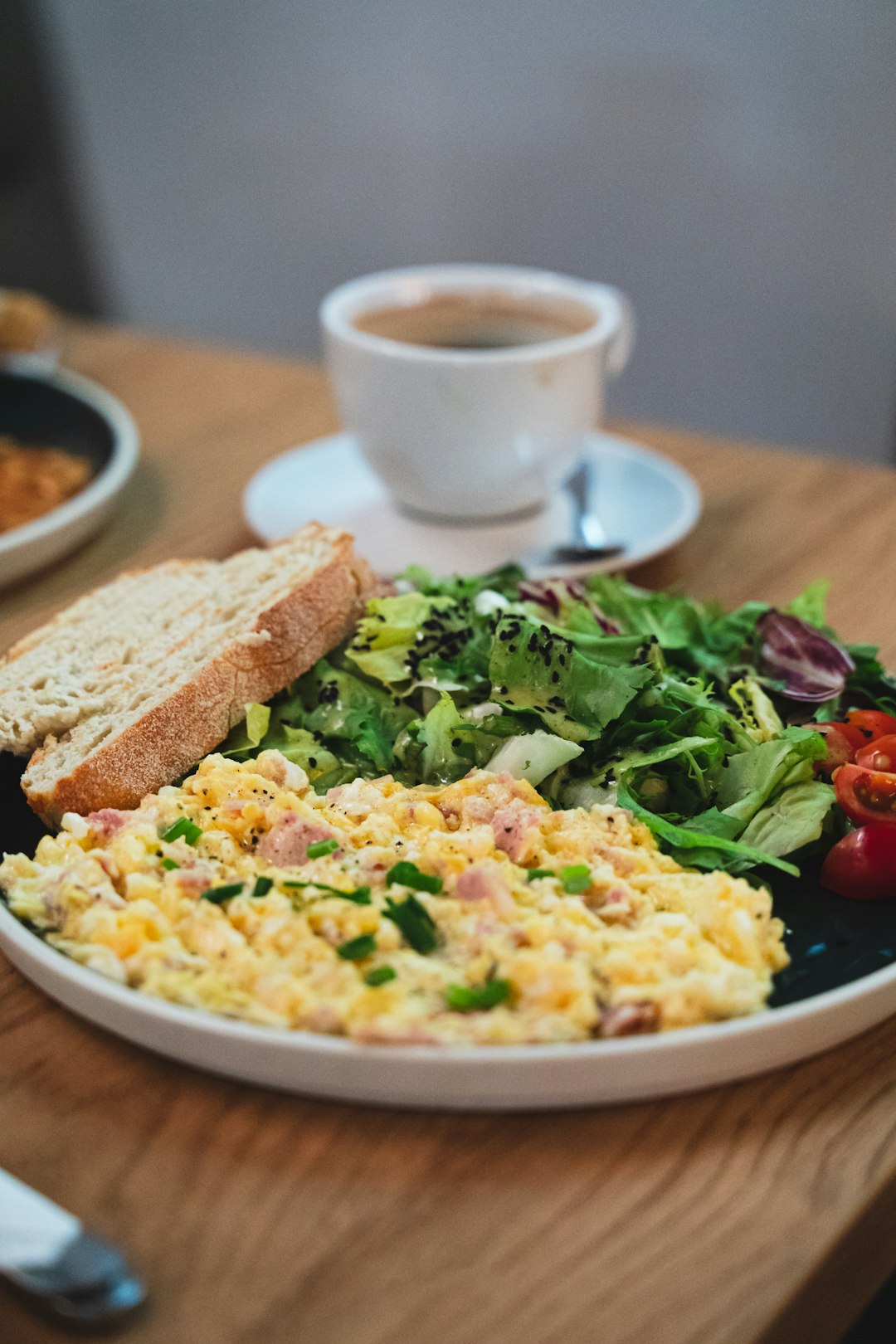
Warsaw has one of Central Europe’s more underrated food scenes. The city’s rapid post-communist economic growth funded a restaurant culture that now covers everything from Soviet-era milk bars (still operating, still good) through to one of the continent’s more interesting tasting menus. The trick is knowing which category you’re after.
Budget: Milk Bars and Canteens
Miś (ul. Hoża / Nowogrodzka) is one of Warsaw’s most dependable bar mleczny - a traditional Polish canteen with a chalked menu, plastic trays, and no nonsense. Pierogi, żurek, kotlet schabowy, and daily specials. A full meal costs approximately PLN 15–25 as of 2026. Come at noon; it fills fast.
U Kucharzy is a slightly elevated milk bar concept - you eat in what is effectively the kitchen, watching cooks prepare Polish classics to order. The format is educational and the food is honest. Pierogi, roast meats, and soups change daily. Approximately PLN 25–40 for a meal with soup.
Kuchnia Konfliktu (ul. Emilii Plater) is a social enterprise hiring refugees from conflict zones, with the menu rotating to reflect the cooks’ home countries. Some Polish classics appear alongside Syrian, Chechen, and other cuisines depending on current staff. Mains approximately PLN 30–50. The concept is sound and the food is often excellent - worth booking a table rather than hoping to walk in.
Mid-Range: Good Cooking, Sensible Prices
Kieliszki na Próżnej (ul. Próżna) sits on Warsaw’s partially reconstructed pre-war street and does modern European wine-bar food with Polish leanings - charcuterie boards, seasonal salads, excellent natural wines. A meal with wine runs approximately PLN 80–140 per person. The terrace is good in summer.
Butchery & Wine (ul. Żurawia) is straightforwardly excellent for grilled meat - dry-aged Polish beef, good sauces, and a well-selected wine list. Not exclusively Polish cuisine, but the produce sourcing is local. Mains approximately PLN 60–95.
Nolita (ul. Wilcza) is one of Warsaw’s better Italian restaurants, which matters because there are a lot of mediocre ones. The pasta is made fresh; the wine list has depth. Dinner for two with wine is approximately PLN 180–260. Booking required on weekends.
Splurge: Fine Dining in Warsaw
Atelier Amaro (ul. Agrykola, near Łazienki Park) is the standout name. Chef Wojciech Modest Amaro earned Poland’s first Michelin star here in 2013 and has retained it since. The kitchen focuses entirely on native Polish ingredients - foraged herbs, rare heritage vegetables, freshwater fish, game - prepared with a level of technical detail rarely found outside France or Scandinavia. The tasting menu runs approximately PLN 450–600 per person as of 2026, excluding wine pairing. Book several weeks ahead; they do a limited number of covers per service.
Senses (ul. Bielańska) holds a Michelin star and takes a different approach to Atelier Amaro - more international influences, technically flawless, with an emphasis on vegetables and lighter preparations. Set menus from approximately PLN 350 per person.
Street Food and Food Halls
Hala Gwardii (Jana Pawła II Avenue) is Warsaw’s most established food hall, housed in a converted 1960s sports hall. Around 60 vendors cover Polish comfort food, sushi, tacos, pierogi, craft beer, and more. Quality varies by vendor but the best stalls are genuinely good. Most dishes cost approximately PLN 20–40. No booking; turn up and queue.
Norblin Factory (ul. Żelazna) is a newer food and cultural complex in a 19th-century factory. Multiple restaurants and bars; good for groups with different preferences. Thursday evening street food markets are popular from May to September.
Night market options: In summer, various pop-up night markets appear along the Vistula riverbank (Bulwary Wiślane). Not a year-round fixture, but worth seeking out May through September for local produce, food trucks, and outdoor eating with river views.
Neighbourhoods for Eating Out
Śródmieście (city centre): The densest concentration of restaurants across all budgets, and the easiest base for first-time visitors. The stretch along Nowy Świat and Foksal Streets has clusters of mid-range bistros and wine bars. Bar Nuta (ul. Foksal) does contemporary Polish bistro cooking - updated takes on bigos, żurek, and roast meats - at approximately PLN 50–80 per main; no booking needed at lunch, worth reserving Thursday through Saturday evenings. The milk bar cluster around Nowogrodzka and Hoża covers budget eating from PLN 15–25. Fine dining (Atelier Amaro, Senses) sits on the southern edge of the district near Łazienki Park.
Powiśle: Warsaw’s most rapidly gentrified riverside neighbourhood, wedged between Śródmieście and the Vistula embankment. Elektrownia Powiśle is the anchor - a converted early-20th-century power station now housing a mix of restaurants, bars, and a Nobu outpost. Budget PLN 150–250+ per person at Nobu; PLN 60–120 at the independent venues in the complex. The streets around Ludna and Solec have a growing cluster of wine bars and bistros at similar price points. Excellent in summer given proximity to Bulwary Wiślane; on weekends, call ahead for the more popular spots - walk-in availability shrinks after 7pm Friday and Saturday.
Praga (east bank of the Vistula): Fewer tourists, lower prices, and a creative restaurant scene that has developed quickly over the past five years. Centrum Praskie Koneser - a converted 19th-century vodka distillery on ul. Ząbkowska - now houses several independent restaurants and bars alongside the Polish Vodka Museum. Mains in the complex run approximately PLN 50–90. Independent wine bars and bistros have spread through the surrounding streets. No booking usually needed Sunday through Wednesday; worth calling ahead Thursday through Saturday evenings.
Mokotów: Residential neighbourhood south of the centre, with good neighbourhood bistros at PLN 40–70 for mains. Less convenient without transport but useful if you’re staying in the area.
For context on traditional Polish dishes, see our Polish food guide before visiting Warsaw for the first time.
Book a Warsaw Food Tour
Warsaw’s dining scene is spread across multiple neighbourhoods and eras - milk bar culture in Śródmieście, modern Polish cooking in Powiśle, neighbourhood restaurants in Praga, and Michelin-level dining near Łazienki Park. A guided food tour ties these threads together in three to four hours, with a local guide explaining the context that menus alone cannot provide: why the milk bar survived, how Atelier Amaro changed Polish food culture, and which pierogi spot the locals actually use. Book a Warsaw food tour to cover more ground than you would eating independently.
Explore Warsaw
- Warsaw City Guide - overview, top attractions, and transport
- Food and Drink in Warsaw - full restaurant and bar guide
- Warsaw Nightlife - bars, clubs, and late-night areas
- Traditional Polish Food Guide - what to eat across Poland: dishes, prices, and what things are called
- Best Restaurants in Kraków - for the other major Polish food city
- Vegan Restaurants in Warsaw - plant-based dining across the capital
- Digital Nomad Guide to Poland - cafés and coworking spaces for remote workers in Warsaw
- 1 Week in Poland Itinerary - Warsaw food recommendations are integrated into the day-by-day plan
Plan Your Trip to Warsaw
- Travel insurance for Poland - medical, cancellation, and trip interruption cover; get a quote before departure
- Poland eSIM - data coverage from arrival; activate before you fly
- Book a Warsaw food tour - milk bars, Powiśle wine bars, and the context behind Polish food culture with a local guide
- Find hotels in Warsaw - accommodation across all budgets in Warsaw