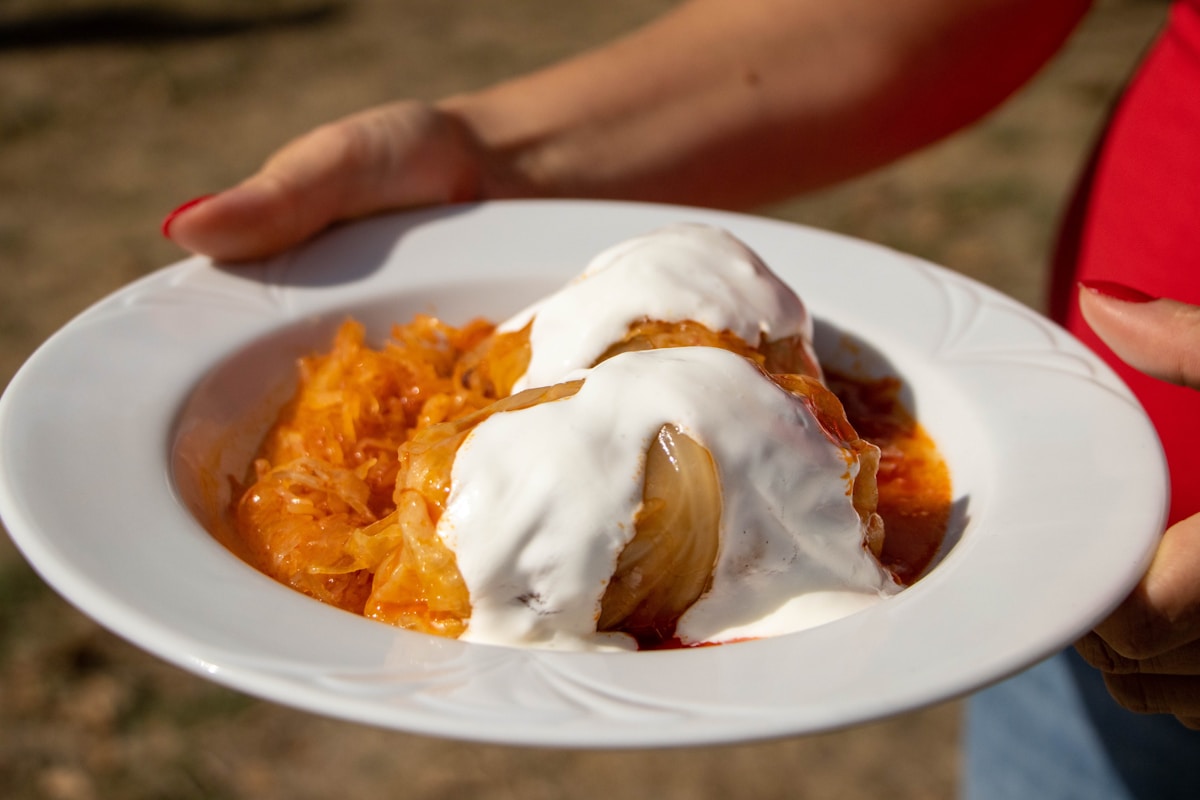
Polish cuisine is more varied and regionally distinct than its international reputation suggests. The image of a heavy meat-and-dumplings diet tells only part of the story; the full picture includes Baltic seafood, mountain sheep’s cheeses, eastern wild mushroom and forest-berry traditions, and a growing wave of modern Polish cooking that is bringing the country’s larder international attention.
The Foundations of Polish Cooking
Polish cuisine is built on a small set of primary ingredients that appear across almost every regional tradition:
Rye: Poland is one of the world’s largest rye producers, and rye bread (chleb razowy), sourdough rye (żytni), and rye-based sours like żurek (fermented rye soup) are staples.
Cabbage: Sauerkraut (kiszona kapusta) and fresh white cabbage appear in bigos (hunter’s stew), pierogi fillings, soups and side dishes across the whole country.
Pork: Pork dominates the meat tradition - smoked sausages (kiełbasa), cured loin (schab), tenderloin in cream sauce (polędwiczki w sosie śmietanowym) and roasted knuckle (golonka).
Dairy: Twaróg (fresh farmer’s cheese) is ubiquitous - eaten sweet for breakfast with honey or savory in pierogi fillings. Śmietana (sour cream) is the standard accompaniment for soups, pancakes and dumplings.
Wild foraged foods: Polish cooking has a strong tradition of using wild mushrooms (grzyby), berries (leśne owoce), nettles and elder. The September mushroom-picking season is a national institution.
Regional Cuisines of Poland
Mazovia and Warsaw - Urban Polish Cooking
Warsaw and the surrounding Mazovian plain represent the mainstream of Polish cuisine. Classic dishes here:
- Żurek - a sour rye soup served in a bread bowl with hard-boiled egg and slices of white sausage (biała kiełbasa). The sourdough base is made from fermenting rye flour and water for several days. Warsaw’s most traditional version at Bar Bambino (ul. Krucza 21, open weekdays) costs approximately PLN 18–22. Food tours in Warsaw often include a milk bar stop as part of a broader introduction to the city’s eating culture.
- Bigos - a stew of sauerkraut, fresh cabbage, various meats, mushrooms and plums, simmered for hours or days. No two versions are alike.
- Kotlet schabowy - a breaded pork schnitzel, the everyday workhorse of Polish restaurant cooking. Typically served with potatoes and cucumber salad (mizeria).
Warsaw restaurant recommendation: Restauracja Miseria (ul. Chmielna 13) serves an updated version of traditional Warsaw cooking; main courses approximately PLN 60–90 as of 2026.
Silesia - German and Czech Influence
The south-west, historically part of Prussia and then Germany until 1945, has a cuisine noticeably different from the rest of Poland.
- Rolada śląska - braised beef rolled around pickled cucumber and bacon, a Sunday staple. Often served with red cabbage (modra kapusta) and Silesian dumplings (kluski śląskie, with a characteristic dent in the middle).
- Kluski śląskie - potato dumplings made from a dough of mashed potato and flour, lighter in texture than Polish kopytka. Served as a side dish or as the main event with butter and breadcrumbs.
- Karminadle - Silesian meat patties made from pork and bread, fried and served with white gravy.
Wrocław restaurant recommendation: Konrad (ul. Świdnicka 53b) serves traditional Silesian cooking; mains approximately PLN 45–75.
Podhale - The Tatra Highlands
The Tatra foothills have developed their own highly distinct cuisine based on sheep farming:
- Oscypek - smoked sheep’s cheese in a distinctive spindle shape, made only in the Podhale region and protected by PDO designation. Sold at every mountain market from approximately PLN 15–25 per piece. Grilled oscypek with cranberry preserve (żurawina) is the standard snack.
- Juhas’s soup (zupa juhaska) - made with sheep’s milk, vegetables and wild herbs.
- Góralskie placki - potato pancakes fried in lard and served with sour cream.
Best place to try Podhale cuisine: Chata Zbójnicka on ul. Zamoyskiego in Zakopane (mains approximately PLN 40–70). Tours in Zakopane often include highland market visits where fresh oscypek is sold direct from producers.
Kashubia - Baltic Coastal Cooking
The Kashubian region west of Gdańsk has a fishing and smallholding tradition entirely different from the rest of Poland:
- Kashubian fish soup (kaszubska zupa rybna) - a rich broth of freshwater fish, potatoes and cream.
- Grey dumplings (szare kluski kaszubskie) - made from raw grated potato and flour, with a grey tinge and a denser texture than Silesian kluski.
- Blueberry pierogi - a sweet Kashubian summer specialty.
Gdańsk restaurant recommendation: Złoty Kur (ul. Szeroka 52/54) specialises in Kashubian regional cooking; mains approximately PLN 50–80.
Podlaskie - Eastern Borderlands
Poland’s eastern borderlands with Belarus and Lithuania have a more austere, rye- and potato-based cuisine with strong preservation traditions:
- Babka ziemniaczana - a dense potato cake baked with bacon, onion and salt; a Podlaskie and Suwalki staple.
- Chłodnik - a cold soup of fermented beets, cucumber and boiled egg, similar to the Lithuanian šaltibarščiai. Bright pink, refreshing in summer.
- Kartacze - large oval potato dumplings stuffed with meat, a Lithuanian-Belarusian heritage dish common in Białystok restaurants.
Białystok restaurant recommendation: Kredens Café (ul. Lipowa 10) does a good traditional eastern Polish menu; mains approximately PLN 35–65.
Greater Poland (Wielkopolska) - Hearty and Understated
Poznań and Wielkopolska have a reputation for simple, filling cooking:
- Pyry z gzikiem - boiled potatoes with a fresh cheese (twaróg) and chive dip; the emblematic Poznań dish.
- Plucki - fried offal pastries, a historic street food now found mainly at traditional delis.
- Grey pierogi (szare pierogi) - filled with buckwheat groats and white cheese.
Poznań restaurant recommendation: Brovaria (ul. Stary Rynek 73) in the main square serves Wielkopolska-inspired dishes; mains approximately PLN 55–90.
Modern Polish Cooking
Poland’s restaurant scene has evolved dramatically in the past decade. Warsaw and Kraków have accumulated a cluster of restaurants doing genuinely ambitious cooking with Polish ingredients.
Warsaw:
- Nolita (ul. Wilcza 46) - innovative tasting menus built around Polish seasonal produce; approximately PLN 250–350 per person for the full menu.
- Atelier Amaro (ul. Agrykola 1) - Poland’s first Michelin-starred restaurant; reservation essential; prix fixe menus from approximately PLN 400 per person.
Kraków:
- Cyrano de Bergerac (ul. Sławkowska 26) - French-Polish fusion in a vaulted cellar; mains approximately PLN 90–150.
- Marchewka z Groszkiem (ul. Slawkowska 2) - upscale modern Polish; tasting menu approximately PLN 200 per person.
Polish cooking classes in Kraków are a good complement - hands-on sessions covering traditional recipes and local market sourcing, typically 2–3 hours.
Join a Polish Cooking or Food Tour
Polish cuisine’s regional variety - Silesian dumplings in the southwest, Kashubian fish soup in the north, Podhalean sheep’s cheese in the Tatra foothills - is best appreciated with a guide who can explain the differences and source the right dishes in the right region. Cooking classes in Kraków and Warsaw combine hands-on instruction in making pierogi, bigos, or żurek with an explanation of the agricultural and historical context behind each dish. Organised food tours in both cities cover market visits, traditional restaurants, and at least one tasting of Polish vodka or craft beer. Book a Polish food tour in Kraków or Warsaw for a practical grounding in what you are eating.
Eating Culture: Practical Notes
Milk bars (bar mleczny) are communist-era subsidised canteens that have survived and in some cases been revived as affordable institutions. A full hot meal costs approximately PLN 20–30. Bar Bambino in Warsaw (ul. Krucza 21) and Bar Mleczny Pod Temidą in Kraków (ul. Grodzka 43) are reliable.
Bread and breakfast: Polish breakfast (śniadanie) is a cold spread of bread, cured meats, cheese, eggs and vegetables. Open-faced sandwiches (kanapki) are standard.
Pierogi vary widely: The standard tourist version (ruskie - potato and white cheese) is not the most interesting. Ask for wild mushroom (grzybowe), meat (z mięsem), or seasonal varieties.
Vodka tradition: Polish vodka is integral to cuisine culture and is drunk as a digestif with food, not pre-dinner cocktails. Żubrówka (bison grass vodka), Wyborowa and Sobieski are reliable brands. A 50ml measure in a restaurant costs approximately PLN 10–20.
Tipping: 10–15% is standard at sit-down restaurants. Tipping is not customary at milk bars or fast-food stands.
Where to stay: Find hotels in Poland - search accommodation across all budgets.