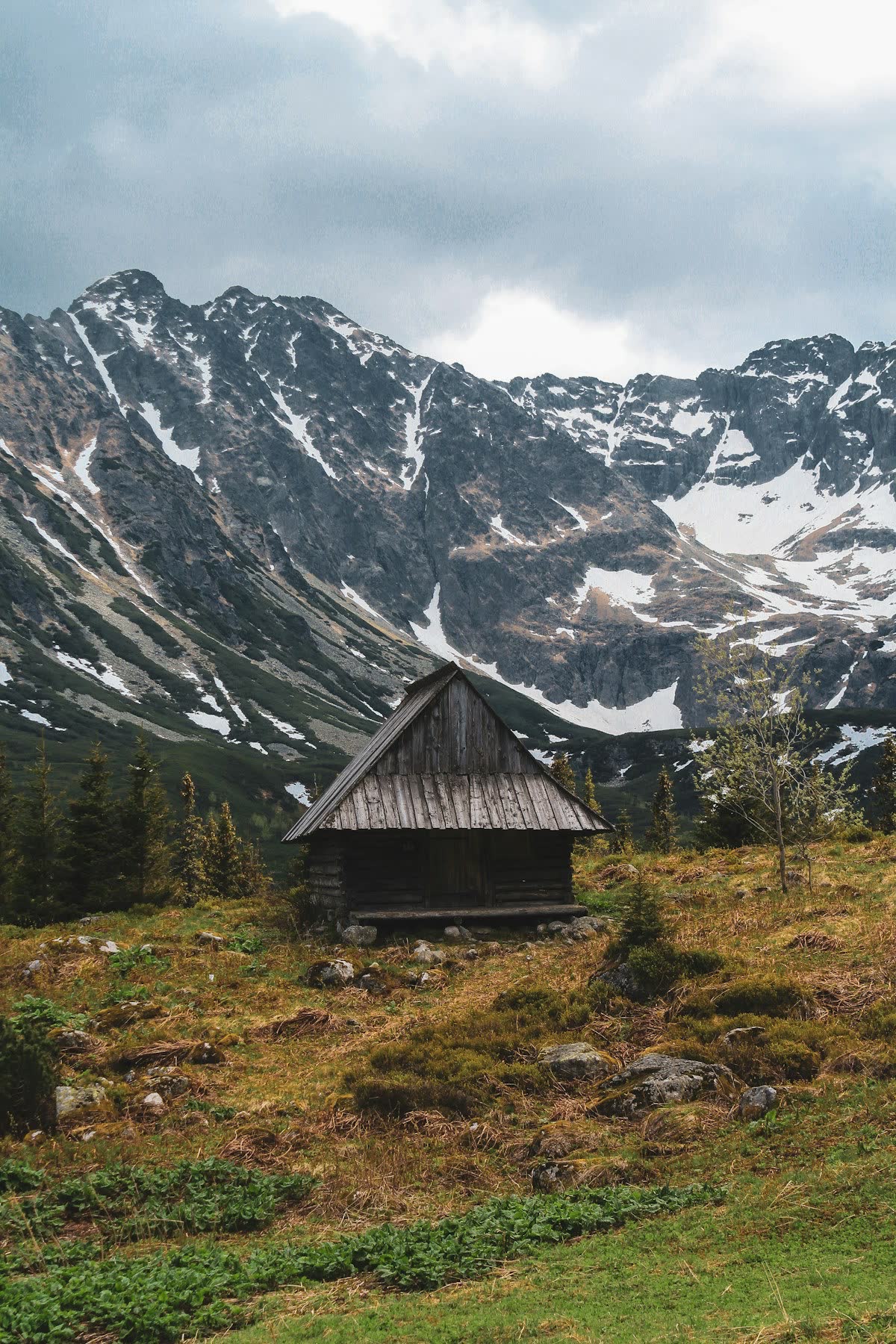
Southern Poland packs a remarkable variety into a compact area. In five days you can walk on medieval salt mine chapels, look up at 2,000-metre Tatra peaks, raft through a river gorge that forms the border with Slovakia, and reach the wild Bieszczady Mountains in the far southeast where the roads end and the wolves live. This itinerary works with a combination of public transport for Days 1–3 and a rental car (or organised tours) for Days 4–5.
Day 1: Kraków - Old Town and Kazimierz
Arrive in Kraków and settle into your accommodation. Kraków is the natural start point for any Southern Poland trip - it has the best transport connections, the widest range of accommodation, and two or three days’ worth of sights.
For a single day in the city, focus on the two historic cores:
Old Town (Stare Miasto): Walk Kraków’s Main Market Square (Rynek Główny), the largest medieval market square in Europe. The Cloth Hall (Sukiennice) at the centre houses a gallery of 19th-century Polish painting upstairs (entry approximately PLN 10 as of 2026) and amber and souvenir shops at street level. St Mary’s Basilica on the square’s east side has a carved Gothic altarpiece by Veit Stoss visible through hourly trumpet fanfare openings; entry approximately PLN 10 as of 2026.
Wawel Hill: The royal castle and cathedral complex on the hill above the Vistula. The Wawel Cathedral houses the tombs of Polish kings and is free to enter; the royal chambers and state rooms (entry approximately PLN 35 combined as of 2026) are the more detailed experience. Allow 2–3 hours.
Kazimierz (the former Jewish quarter, a 15-minute walk from the Market Square) has the best restaurant and café density in the city. Dinner here - Szara Kazimierz (ul. Szeroka 39) for traditional food (mains approximately PLN 45–75 as of 2026) or one of the milk bars on Plac Nowy for budget eating (approximately PLN 15–25).
Where to stay in Kraków:
- Budget: Greg & Tom Hostel (ul. Pawia 12/7) - dormitory from approximately PLN 65/night, private from PLN 200 as of 2026
- Mid-range: Hotel Copernicus (ul. Kanonicza 16) - historic townhouse near Wawel, doubles from approximately PLN 420–580 as of 2026
- Splurge: Hotel Stary (ul. Szczepańska 5) - restored nobleman’s palace, doubles from approximately PLN 700–1,100 as of 2026
Search hotels in Kraków on Booking.com
Day 2: Wieliczka Salt Mine
Wieliczka is 14 km southeast of Kraków and reachable by train (approximately 20 minutes from Kraków Główny, PLN 8 as of 2026) or by minibus from Dworzec Autobusowy MDA near the train station.
The Wieliczka Salt Mine (Kopalnia Soli Wieliczka) has been mined continuously since the 13th century and is now a UNESCO World Heritage Site. The Tourist Route descends 135 metres through 3 km of tunnels, chambers, and chapels entirely carved from salt - including the Chapel of St Kinga, a full-sized underground church with chandeliers made from salt crystals. Entry approximately PLN 120 for adults, PLN 95 for children as of 2026 for the Tourist Route. Book well ahead during summer - tours in English fill up. The tour takes approximately 2.5 hours.
Return to Kraków in the afternoon. Consider spending the evening at the Schindler’s Factory Museum (Fabryka Schindlera) in Podgórze - the exhibition on Kraków under Nazi occupation is one of the most well-designed historical museum experiences in Poland. Entry approximately PLN 28 as of 2026; timed entry booking recommended.
Day 3: Zakopane and the Tatras
An early bus from Kraków reaches Zakopane in approximately 2–2.5 hours (tickets from approximately PLN 25–40 as of 2026; buses depart roughly hourly from Kraków Główny bus station). Alternatively, organised day tours from Kraków to Zakopane run daily from multiple operators, costing approximately PLN 80–150 per person including transport as of 2026.
Zakopane (population approximately 27,000) is Poland’s highest town at 850 metres and the unofficial capital of Polish highland culture. The Krupówki pedestrian promenade is the main street - a mix of souvenir shops, oscypek (smoked sheep’s cheese) vendors, and restaurants.
Kasprowy Wierch cable car: The cable car from Kuźnice (3 km south of town, reachable by local bus) ascends to 1,987 metres. Return tickets cost approximately PLN 89 as of 2026. The summit views across the High Tatras toward Slovakia are the best available without serious hiking. Allow 2–3 hours including queuing and summit time.
Morskie Oko: If you prefer walking over the cable car, the trail to Morskie Oko (approximately 9 km from the Palenica Białczańska car park, reached by bus from Zakopane for approximately PLN 10–15) leads to the largest and most beautiful lake in the Tatras. The walk takes approximately 2.5 hours each way on a well-maintained track.
Where to stay in Zakopane:
- Budget: PTTK Hostel Dom Turysty (ul. Zaruskiego 5) - dormitory from approximately PLN 60/night as of 2026
- Mid-range: Hotel Sabała (ul. Krupówki 11) - traditional highland-style hotel on the main promenade, doubles from approximately PLN 380–550 as of 2026
- Splurge: Nosalowy Dwór Resort & SPA (ul. Balzera 21d) - spa hotel at the base of the Nosal ski area, doubles from approximately PLN 600–900 as of 2026
Search hotels in Zakopane on Booking.com
Day 4: Dunajec Gorge Rafting
From Zakopane, drive or take a bus to the Pieniny Mountains (approximately 60 km east, 1.5 hours by car; bus connections are limited and require a change at Nowy Targ).
Dunajec Gorge (Przełom Dunajca) is a river gorge cutting through white limestone cliffs where the Dunajec River forms the natural border between Poland and Slovakia. The traditional raft trip runs approximately 18 km downstream from Sromowce Wyżne-Kąty to Szczawnica, guided by Pieniny highlanders (flisacy) in traditional dress on two-log wooden rafts joined together.
Tickets cost approximately PLN 70–90 per person as of 2026; pay at the ticket office at the departure point. No booking required for individuals - just arrive, buy a ticket, and join the next departure. Groups of 6+ should book ahead in peak season (July–August). The trip takes approximately 2.5–3 hours. Szczawnica at the finish has restaurants and a bus connection back to Kąty for car retrieval (or onward to Nowy Targ for public transport).
Niedzica Castle (Zamek Dunajec) is visible from the river near the start of the raft trip. Built in the 14th century on a rocky promontory above the Czorsztyn Reservoir, it is one of the most photogenic castles in the Polish mountains. Entry approximately PLN 20 for adults as of 2026; worth combining with the raft trip for a full day.
Where to stay: Drive from Szczawnica toward Rzeszów (approximately 2 hours) if continuing to the Bieszczady. Alternatively, stay in Szczawnica or nearby Krościenko:
- Mid-range: Hotel Energetyk (Krościenko nad Dunajcem, ul. Pienińska 2) - doubles from approximately PLN 300–450 as of 2026
Search hotels in Krościenko on Booking.com
Day 5: Bieszczady Mountains
The Bieszczady is the least-visited mountain range in Poland - a broad, rounded highland on the border with Ukraine and Slovakia, covered in beech forest and open alpine meadows (połoniny) at the higher elevations. It is approximately 2–3 hours’ drive from Nowy Sącz or Rzeszów.
Bieszczady National Park (Bieszczadzki Park Narodowy) covers 292 km² of protected mountain terrain. Entry sticker required: approximately PLN 8 per person per day as of 2026, available at park boundary checkpoints.
Popular trails:
- Tarnica (1,346 m) - the highest peak in the Bieszczady. The most popular ascent starts from Wołosate village (approximately 6 km return, 3–4 hours). The trail passes through forest before emerging on open połoniny ridgelines with views toward Ukraine.
- Połonina Wetlińska - a broad ridge trail starting from Wetlina village (approximately 12 km circuit, 5–6 hours). The open grassland ridgeline offers the most characteristic Bieszczady landscape - rolling summits with no treeline obstruction.
Wildlife: The Bieszczady is home to wolf, lynx, European bison, and brown bear. Sightings are uncommon but not rare - dawn and dusk on quiet forest roads are the most likely times. Several local guides offer wildlife-watching walks; ask at the Lutowiska or Ustrzyki Dolne information centres.
Base town: Lesko or Ustrzyki Dolne both have accommodation and restaurants and make good overnight bases for the Bieszczady:
- Budget: Pensjonat Beskid (Ustrzyki Dolne, ul. Bełska 4) - doubles from approximately PLN 200–280 as of 2026
- Mid-range: Hotel Górski Lesko (Lesko, ul. Rynek 15) - doubles from approximately PLN 300–420 as of 2026
Search hotels in Ustrzyki Dolne on Booking.com · Search hotels in Lesko on Booking.com
Transport and Cost Summary
| Day | Route | Transport | Approximate cost (as of 2026) |
|---|---|---|---|
| 1 | Arrival in Kraków | Train / flight / bus | Varies |
| 2 | Kraków → Wieliczka → Kraków | Train (each way) | PLN 16 return |
| 3 | Kraków → Zakopane → Zakopane | Bus | PLN 25–40 each way |
| 4 | Zakopane → Dunajec Gorge area | Car or organised tour | PLN 100–200 (car fuel) |
| 5 | Dunajec area → Bieszczady | Car | PLN 120–160 (car fuel) |
Car rental from Kraków for Days 4–5 (pick up Day 4 morning, return from Rzeszów or back to Kraków on Day 5 evening): approximately PLN 250–400 for 2 days including fuel for a compact car as of 2026.
Per-day budget estimates (per person, accommodation + meals + entry fees):
| Tier | Per day estimate |
|---|---|
| Budget | PLN 200–350 |
| Mid-range | PLN 450–700 |
| Splurge | PLN 800–1,400 |
The itinerary is designed to flow south to east - Kraków is the easiest arrival and departure hub, with direct trains to Warsaw and flights to major European cities. Alternatively, finish in Rzeszów, which has its own small airport with connections to Warsaw, London, and Frankfurt.
Book Your Trip
- Flights - Find the best fares to Poland · flights guide
- Travel Insurance - Get covered before you go · insurance guide
- eSIM - Stay connected from landing · eSIM guide
- Airport Transfers - Pre-book your transfer from Warsaw or Krakow
- Trains & Buses - Compare fares with Omio
- Car Rental - Compare prices across providers · car hire guide
- Tours & Activities - Browse Poland tours on GetYourGuide