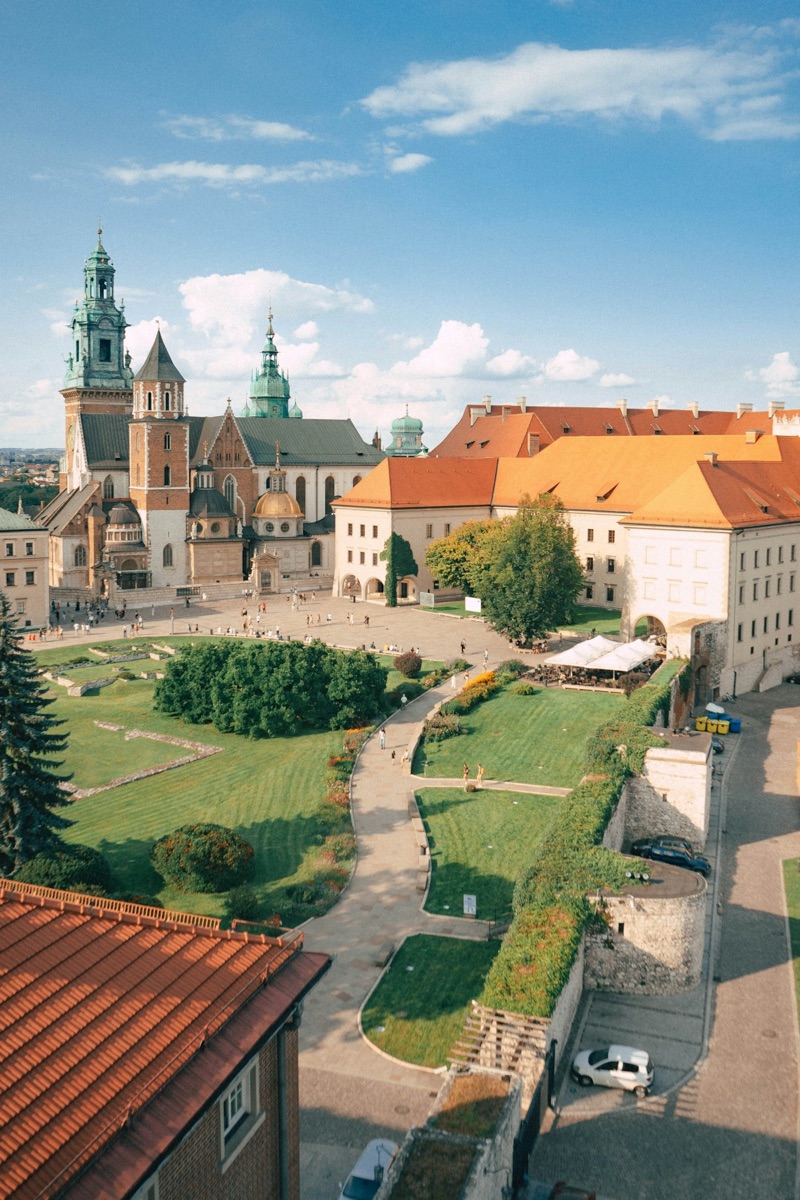
Poland recorded 58.9 million tourist stays in 2025 - an 11.6% increase year-on-year - according to figures officially published in February 2026. The country posted the EU’s second-fastest growth in overnight stays, behind only Malta, and tourism revenue reached PLN 94 billion (approximately €21 billion), up 9.5% versus 2024 and nearly 39% above pre-pandemic 2019 levels.
Foreign arrivals reached 15.2 million, up 13.1%, confirming that international demand has now comfortably surpassed pre-COVID levels.
Which Cities Grew the Fastest
Warsaw led in absolute numbers with 8.7 million visitors, followed by Kraków at 5.2 million and Gdańsk at 2.9 million. At the regional level, Mazowieckie (Warsaw’s voivodeship) recorded 11 million stays, with Małopolskie (Kraków) at 10.3 million and Dolnośląskie (Wrocław) at 7.1 million.
The Baltic coast and the Masurian Lakes drove significant summer volume, with July–August remaining peak season for domestic and international visitors alike.
Why Poland Is Growing as a Destination
Several converging factors explain the growth:
- Value: Poland remains among Western Europe’s most affordable major destinations. A mid-range hotel in Kraków or Warsaw costs roughly half what an equivalent property would in Prague or Vienna, and restaurant meals remain significantly cheaper than in Western EU capitals.
- Air connectivity: International air connections grew by approximately one-third in 2025, with airlines including Ryanair, LOT Polish Airlines, Wizz Air, and Etihad expanding direct routes. Warsaw’s Chopin Airport is now a credible hub for connections across Central and Eastern Europe.
- Restored and expanded attractions: New museum openings, continued work on Kraków’s heritage infrastructure, and increased trail accessibility in the Tatra Mountains all contributed to longer average stays.
- Safety and infrastructure: Poland consistently ranks among Europe’s safer destinations for solo and family travel, with a modern rail network connecting major cities in under three hours.
What This Means for Visitors
The record numbers mean accommodation prices in Kraków and Warsaw Old Town are firmer than they were three or four years ago, particularly in summer. Booking hotels three to four months ahead during peak season (late June through August) is now advisable for the most popular properties.
For the best combination of value and atmosphere, shoulder seasons - May, early June, September, and October - offer lower prices, shorter queues at major attractions, and comfortable temperatures. Our best time to visit Poland guide breaks down the trade-offs month by month.
Travellers planning their first trip can use our first-time in Poland guide to work out a practical itinerary across Warsaw, Kraków, and the coast, or browse tours across Poland to hit the highlights with local guides.