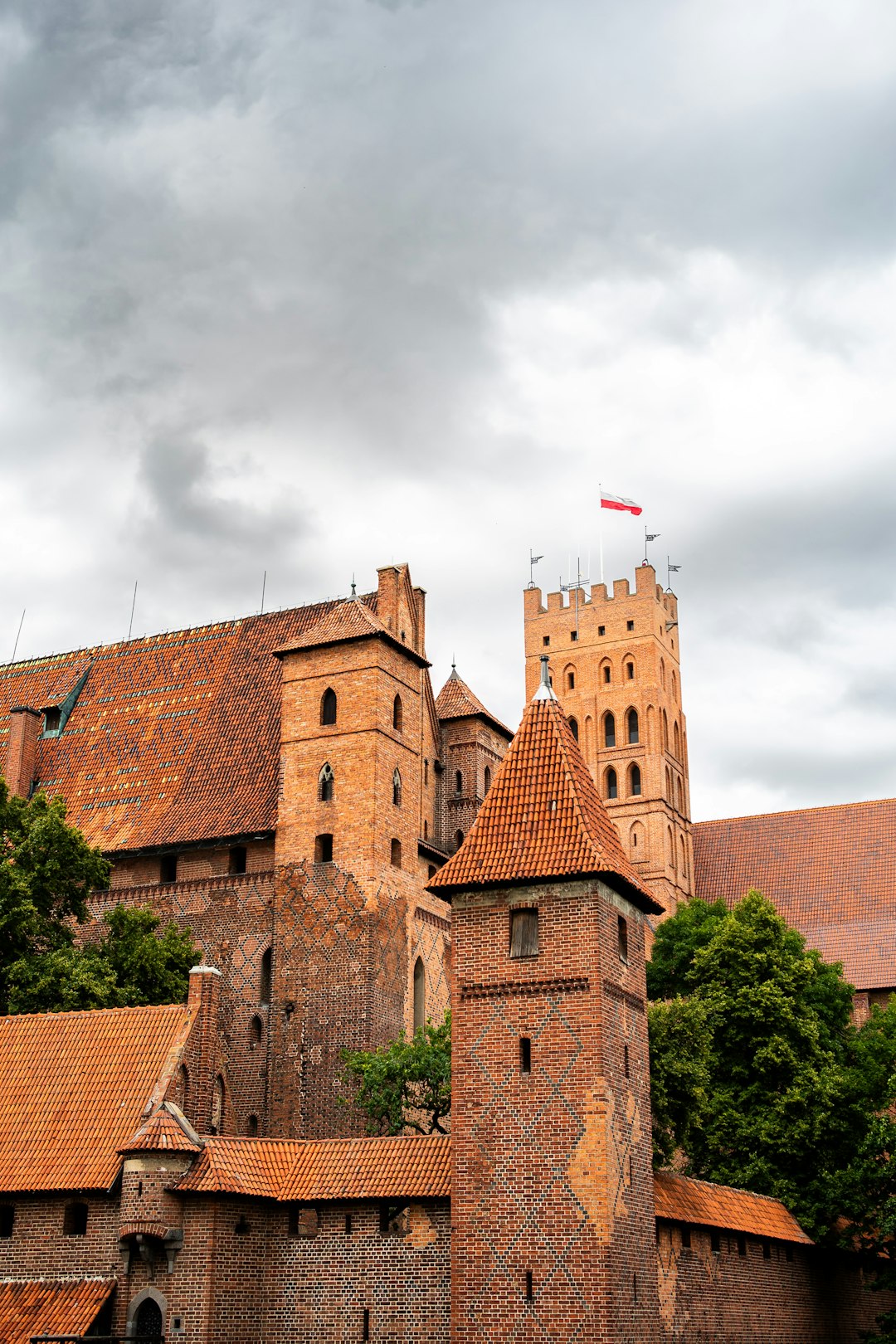
The annual Battle of Grunwald reenactment returns to the fields of Warmia and Masuria on 17–18 July 2027 - the most important medieval event in Poland and one of the largest living history reenactments in Europe. Several hundred armoured participants recreate the decisive 1410 battle in which a Polish-Lithuanian allied force defeated the Teutonic Knights; the event draws between 30,000 and 50,000 visitors.
The 617th anniversary of the original battle falls on 15 July 2027. The main battle reenactment is confirmed for Saturday 17 July 2027 at 15:00, with supporting programme running across the weekend of 17–18 July. Confirmed by the official grunwald1410.pl website.
Why the Battle Matters
The Battle of Grunwald, fought on 15 July 1410, was one of the largest engagements in medieval European history. A combined Polish-Lithuanian army under King Władysław II Jagiełło and Grand Duke Vytautas of Lithuania met the forces of the Teutonic Order under Grand Master Ulrich von Jungingen. The Teutonic defeat was complete - von Jungingen was killed on the field along with most of the Order’s senior commanders. The battle ended the Teutonic Order’s expansion into Poland and Lithuania and secured Polish dominance over the southern Baltic for generations.
For Poland, Grunwald holds a significance comparable to Agincourt for England or Thermopylae for Greece - a foundational national story retold in schools, literature, and art (most famously in Henryk Sienkiewicz’s Krzyżacy).
What to Expect at the Reenactment
The two-day event includes:
Medieval encampments: Living history groups from across Poland and Europe set up period-accurate camps covering early 15th-century military and civilian life. Visitors can walk through the camps and engage directly with reenactors.
Tournament demonstrations: Jousting, sword fighting, and archery competitions run throughout both days alongside the camps.
The main battle reenactment: Typically held on Saturday afternoon, lasting around 60–75 minutes. Several hundred participants in full armour stage the key phases of the battle, including the flanking movement that turned the tide. Commentary is provided in Polish and English.
Food and craft market: A substantial medieval-themed market surrounds the battle site, with roasted meats, mead, traditional Polish food, and period crafts.
Entry fees are typically PLN 35–55 per adult (around €8–13 as of 2025). Check the Grunwald Museum website for confirmed 2027 pricing and any ticketing requirements.
Getting There
The Grunwald battlefield is located approximately 30 km southwest of Olsztyn, the regional capital of Warmia and Masuria. From Olsztyn, shuttle buses typically operate on the main reenactment day from the central bus station - confirm arrangements via the Olsztyn tourist office closer to the date.
From Warsaw, Olsztyn is approximately 2 hours by PKP Intercity express train (several daily departures; fares from around PLN 60 as of 2025). From Gdańsk, the journey is roughly 2.5 hours by train.
Driving is practical - the site is well signposted from surrounding roads - but arrive by 09:00 as parking fills early on the main reenactment day.
Combining with the Masurian Lakes
The Grunwald site makes an ideal anchor for a stay in the Masurian Lakes region. Olsztyn itself has a well-preserved medieval old town, a castle with connections to Nicolaus Copernicus, and easy access to the lake network. July is peak sailing, kayaking, and cycling season on the Masurian Lakes, and the region is one of Poland’s most scenic inland destinations. Tours in Olsztyn and the surrounding area can be arranged to combine the medieval festival with a few days on the water.
Our July in Poland guide has more on the season’s events and what to expect across the country.