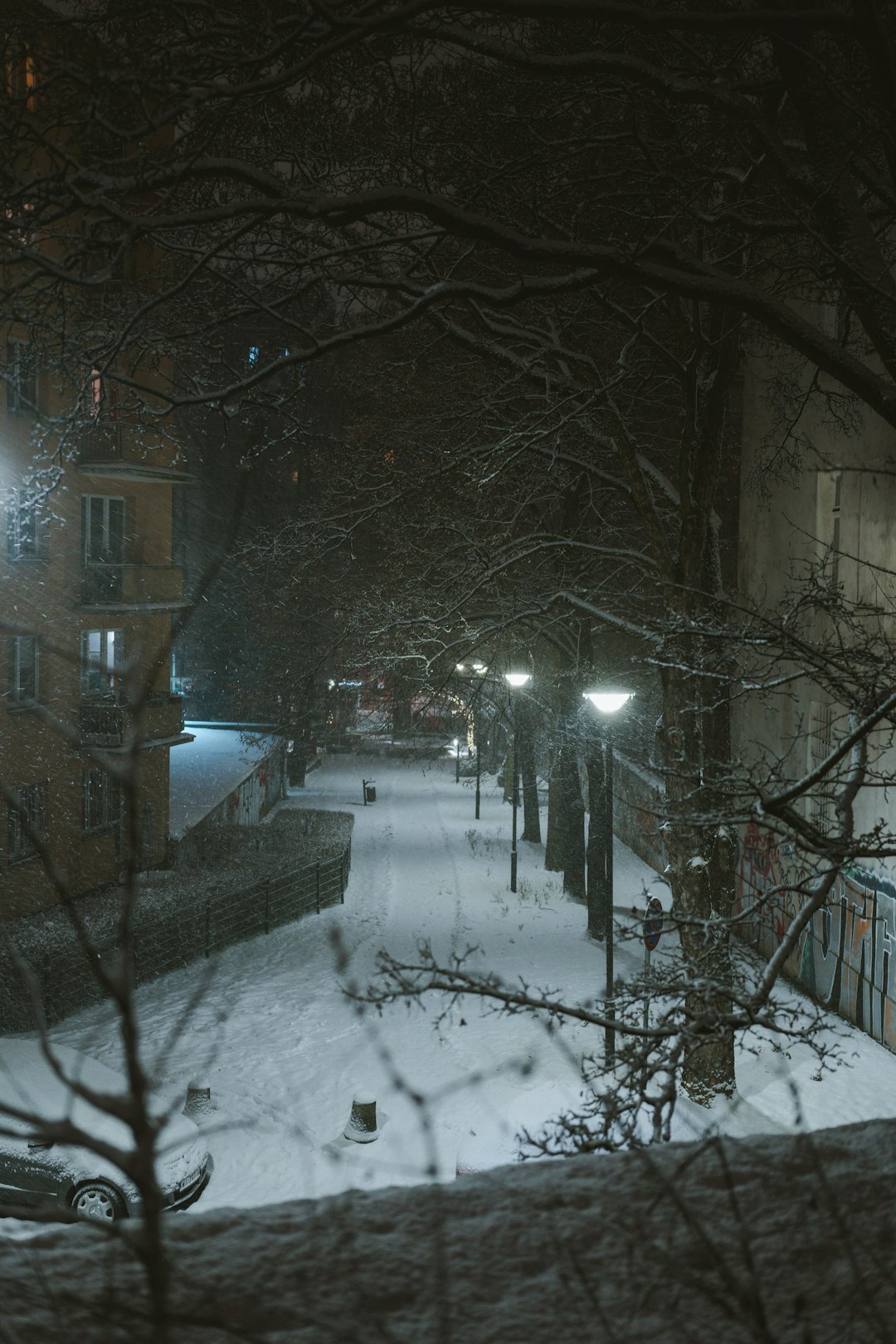
February extends Poland’s winter season with little change in temperature but a slightly longer daily light window. The ski slopes around Zakopane are in prime condition, city accommodation remains at off-season rates, and major cultural institutions have no queues. If warmth is a priority, come back in May. If authenticity and value are the goal, February delivers.
Deep Winter Holds On: February Temperatures and Growing Daylight
| City | Avg High (°C) | Avg Low (°C) | Rain/Snow Days | Daylight Hours |
|---|---|---|---|---|
| Warsaw | 4°C | -3°C | 8 | ~10 hrs |
| Kraków | 4°C | -3°C | 8 | ~10 hrs |
| Gdańsk | 4°C | -1°C | 9 | ~10 hrs |
| Wrocław | 5°C | -2°C | 8 | ~10 hrs |
| Zakopane | 0°C | -7°C | 10 | ~10 hrs |
February days are noticeably longer than January - Warsaw gains about 90 minutes of extra daylight through the month. Snow is still common but rain-snow mix becomes more frequent towards the end of the month.
Tłusty Czwartek Doughnuts, Karnawał Season, and Tatra School Holidays
Tłusty Czwartek - Fat Thursday The last Thursday before Lent is one of the most eagerly anticipated food days in Poland. Bakeries across the country sell pączki - deep-fried doughnuts filled with rose jam and coated in icing - in enormous quantities. It’s estimated that Poles eat over 100 million pączki on this single day. Look for the queues outside good bakeries (Kraków’s Michałek bakery on ul. Grodzka is a reliable stop) and join them.
School Winter Holidays (Ferie Zimowe) Polish schools take a two-week regional winter break in February, staggered across different voivodeships. This means Polish ski resorts, especially Zakopane and Szczyrk, see high domestic demand during February weekends. Book accommodation early if visiting then.
Zapusty - Pre-Lenten Carnival The period before Lent involves festive parties, masquerade balls, and traditional dancing in some regions. While not widely commercialised for tourists, local cultural centres often host events.
Zakopane for Skiing, Wrocław’s Gnome Trail, and Wieliczka Salt Mine Off-Peak
Zakopane - February is arguably the best month for skiing in the Polish Tatras. The snow base is deep, Kasprowy Wierch is typically operating, and the mountain town has excellent atmosphere on winter evenings. A bowl of highlander lamb stew (jagnięcina) and a shot of śliwowica (plum brandy) after a day on the slopes is a genuine local experience. If the city break is the draw, guided tours of Kraków in February run with smaller groups and no queues - ideal for a more contemplative winter visit.
Wrocław - One of Poland’s most underrated cities, Wrocław (pronounced Vrots-wahv) is particularly good in February. The market square - one of the largest in Central Europe - is cleared of summer stalls and has real character. The Panorama of the Battle of Racławice is an extraordinary piece of 19th-century art and rarely busy. Wrocław’s gnome hunt (finding the 400+ small bronze figures hidden around the city) keeps children and adults occupied for hours.
Kraków - Winter Kraków rewards exploration. The Wieliczka Salt Mine, just 14 km southeast of the city, is busier in summer - a February visit means smaller groups and more attentive guides. Book via the official site at wieliczka-saltmine.com. Transport by minibus from Kraków Główny takes approximately 30 minutes and costs approximately PLN 5 as of 2026.
February Hotels: Zakopane Chalets for Carnival Skiing, Wrocław for Low-Season Value
Zakopane - Grand Hotel Stamary A well-regarded spa hotel in central Zakopane with indoor pool and sauna. Rooms from approximately PLN 400 per night as of 2026. Walking distance to the main Krupówki pedestrian street.
Wrocław - Hotel Monopol An Art Nouveau landmark on ul. Świdnicka, in operation since 1892. Rooms from approximately PLN 380 per night as of 2026. The building alone is worth the premium over budget options.
Kraków - Puro Hotel Kraków Kazimierz A design-led hotel in the Kazimierz district with strong reviews for comfort and location. Rooms from approximately PLN 300 per night as of 2026.
Search hotels in Poland on Booking.com
Ski Gear, Sunglasses, and What to Bring for February in Poland
- Full winter coat, windproof and waterproof
- Thermal base layers - top and bottom
- Warm socks and insulated waterproof boots
- Hat and gloves (essential outside)
- Ski gear if heading to Zakopane (rental available but own kit is more comfortable)
- Sunglasses - February sun on snow is intense
- Hand cream and lip balm
- Portable charger
Eating Pączki, Booking Lift Passes, and Getting Wieliczka Right
Eat a pączek on Fat Thursday. If your visit coincides with Tłusty Czwartek, make the effort to queue at a proper bakery. The supermarket versions are not the same experience.
Ski resort pricing. Lift passes at Kasprowy Wierch cost approximately PLN 75-100 per day as of 2026. Zakopane is cheaper than any Alpine resort by a wide margin.
Wrocław’s gnome trail is free. Download the map at visitwroclaw.eu and walk the city following the 400+ bronze gnomes (krasnale) - a charming way to see the city without spending money.
Book Wieliczka in advance. Even in low season, the salt mine has limited group sizes. Reserve online at wieliczka-saltmine.com to guarantee your preferred time slot.
Train connections are fast. The Warsaw–Kraków EIP express takes 2 hours 20 minutes and costs approximately PLN 50-80 as of 2026 when booked in advance via intercity.pl. Browse guided tours across Poland if you prefer a package that handles both transport and sightseeing in one booking.
February City Focus: Zakopane for the Karnawał Ski Rush, Wrocław’s Gnome Trail Without Crowds
- Zakopane City Guide - February is peak ski season in the Tatras
- Kraków City Guide - Fat Thursday doughnuts and Carnival events in a quieter city
- Warsaw City Guide - low winter prices and the WOŚP charity fundraiser weekend
- Wrocław City Guide - gnome trail and winter exhibitions at minimal crowd levels
Plan Your Trip
Book Zakopane accommodation before school holidays begin (usually mid-February), when ski lodges sell out and prices spike. For Tłusty Czwartek (Fat Thursday), any cukiernia in Warsaw or Kraków will have pączki - Kraków’s Jama Michalika on Floriańska is a classic stop. Wieliczka Salt Mine in February has short queues; book a morning slot online rather than joining walk-up queues at the entrance.
Book your flights to Poland Get travel insurance - ski cover is strongly recommended for Zakopane Stay connected with an eSIM Rent a car