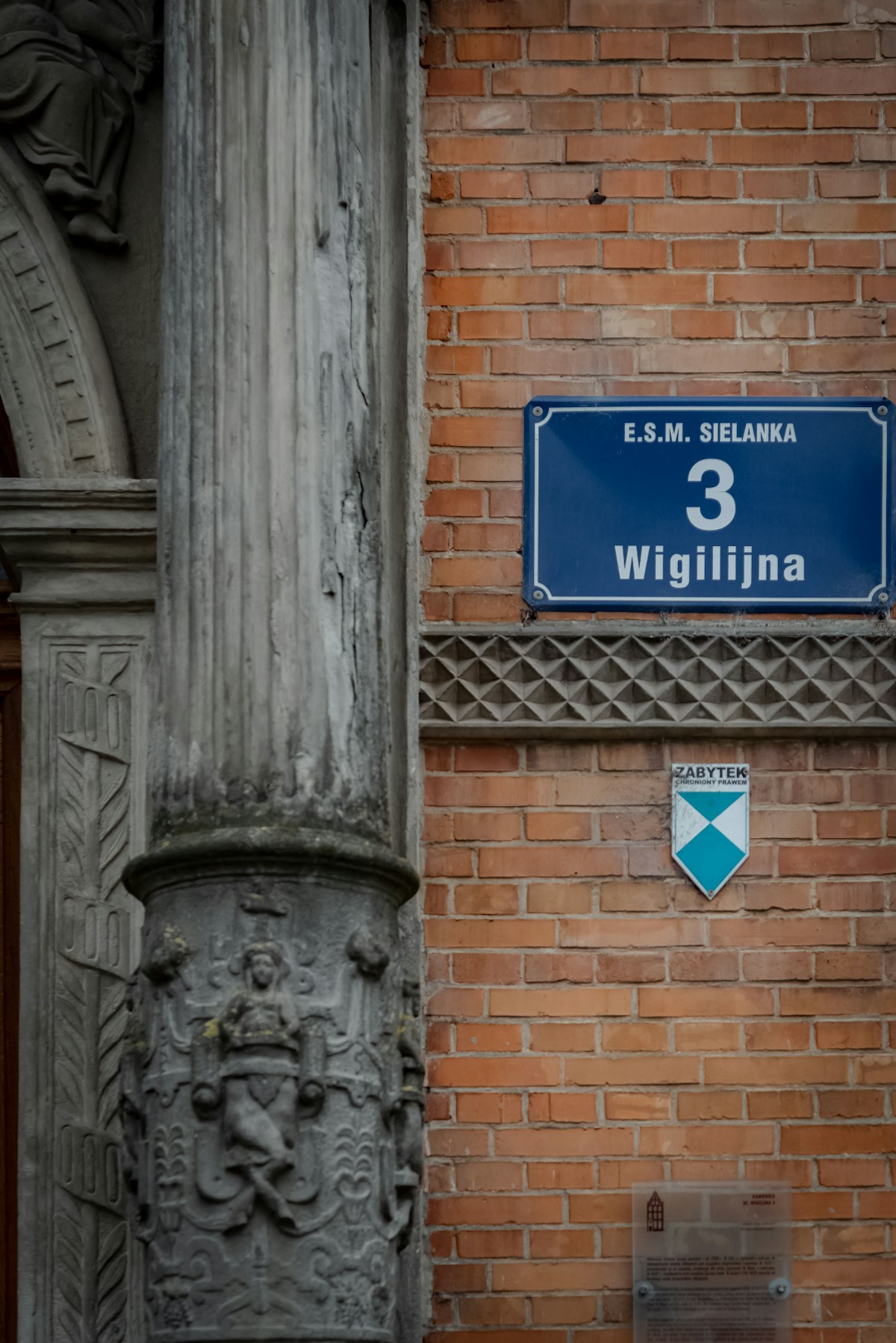
Polish belongs to the West Slavic branch of the Indo-European language family, sitting alongside Czech and Slovak. It is the official language of Poland and is spoken natively by around 45 million people worldwide - including large communities in the United States, United Kingdom, Germany, and Australia, a legacy of 20th-century emigration waves.
The language uses the Latin alphabet, so there is no unfamiliar script to decode. What trips up most visitors is the cluster of extra letters: ą, ć, ę, ł, ń, ó, ś, ź, ż. Each has a fixed, predictable sound. Learn them once and you can read any road sign, menu, or station board with confidence. Polish has been spoken largely unchanged since the 10th century, and the modern written standard was codified in the 16th century - making it one of Europe’s more historically stable literary languages.
How Polish Pronunciation Works
Polish is completely phonetic: every letter combination maps to exactly one sound, with almost no exceptions. The following table covers every pattern you will encounter on a trip.
| Letter / Cluster | Sounds Like | English Example | Polish Example |
|---|---|---|---|
| sz | ”sh” | shop | szukam (I’m looking) |
| cz | ”ch” | chair | cześć (hi) |
| rz / ż | ”zh” (like “s” in measure) | pleasure | rzeka (river) |
| dż | ”dj” | jelly | dżungla (jungle) |
| ź / zi | soft “zh” | vision | źle (badly) |
| ć / ci | soft “ch” | Cheers (softer) | ćma (moth) |
| dź / dzi | soft “dj” | dj (soft) | dziękuję (thank you) |
| ł | ”w” | water | łódź (Lodz) |
| w | ”v” | voice | woda (water) |
| j | ”y” | yes | jak (how) |
| ą | nasal “on” / “om” | Fr. bon | mąż (husband) |
| ę | nasal “en” | approx. Fr. vin | dziękuję (thank you) |
| ó | ”oo” | boot | ósmy (eighth) |
| ń / ni | soft “ny” | canyon | nie (no) |
| ś / si | soft “sh” | sh (softer) | siódmy (seventh) |
| ch / h | ”h” (breathy) | loch (Scottish) | chleb (bread) |
Stress in Polish almost always falls on the second-to-last syllable: dzie-KU-ję, War-SZA-wa, Kra-KÓW. This rule has very few exceptions, so once it’s instilled, you’ll sound natural quickly.
Greetings and Basics
| English | Polish | Pronunciation |
|---|---|---|
| Hello (formal) | Dzień dobry | jen DOH-bri |
| Hi (informal) | Cześć | cheshch |
| Good evening | Dobry wieczór | DOH-bri VYE-choor |
| How are you? | Jak się masz? | yahk sheh mahsh |
| Fine, thank you | Dobrze, dziękuję | DOH-bjeh, jen-KOO-yeh |
| Please / You’re welcome | Proszę | PROH-sheh |
| Thank you | Dziękuję | jen-KOO-yeh |
| Thank you very much | Dziękuję bardzo | jen-KOO-yeh BAR-dzoh |
| Excuse me / Sorry | Przepraszam | psheh-PRAH-shahm |
| Yes / No | Tak / Nie | tahk / nyeh |
| I don’t understand | Nie rozumiem | nyeh roh-ZOO-myem |
| Do you speak English? | Czy mówi Pan/Pani po angielsku? | chi MOO-vee pahn/PAH-nee poh ahn-GYEHL-skoo |
| I speak a little Polish | Mówię trochę po polsku | MOO-vyeh TROH-heh poh POHL-skoo |
| Goodbye | Do widzenia | doh vee-DZEH-nyah |
| Good night | Dobranoc | doh-BRAH-nots |
| My name is… | Nazywam się… | nah-ZI-vahm sheh |
| Nice to meet you | Miło mi | MEE-woh mee |
Note: Polish uses formal address - Pan (Mr/Sir) for men and Pani (Ms/Ma’am) for women. When speaking to strangers, shop staff, or anyone older than you, use the formal “mówi Pan/Pani” (you speak - formal) rather than the informal “mówisz” (you speak - casual). It signals respect and will be well received.
Getting Around
| English | Polish | Pronunciation |
|---|---|---|
| Where is…? | Gdzie jest…? | gjeh yest |
| How do I get to…? | Jak dojechać do…? | yahk doh-YEH-hahch doh |
| Left / Right / Straight ahead | Lewo / Prawo / Prosto | LEH-voh / PRAH-voh / PROHS-toh |
| Bus / Tram stop | Przystanek autobusu / tramwaju | pshi-STAH-nehk ow-toh-BOO-soo / trahm-VIE-oo |
| Train station | Dworzec kolejowy | DVOH-zhets koh-leh-YOH-vi |
| Airport | Lotnisko | lot-NEES-koh |
| One ticket, please | Jeden bilet, proszę | YEH-den BEE-let, PROH-sheh |
| Two tickets, please | Dwa bilety, proszę | dvah bee-LEH-ti, PROH-sheh |
| How much is a taxi to…? | Ile kosztuje taksówka do…? | EE-leh kosh-TOO-yeh tahk-SOOV-kah doh |
| I’m looking for… | Szukam… | SHOO-kahm |
| How far is it? | Jak daleko to jest? | yahk dah-LEH-koh toh yest |
| Can you write it down? | Czy może Pan/Pani to napisać? | chi MOH-zheh pahn/PAH-nee toh nah-PEE-sahch |
| Stop here, please | Proszę się tu zatrzymać | PROH-sheh sheh too zah-TSHI-mahch |
| I want to go to… | Chcę jechać do… | htseh YEH-hahch doh |
Accommodation
| English | Polish | Pronunciation |
|---|---|---|
| I have a reservation | Mam rezerwację | mahm reh-zehr-VAH-tsyeh |
| Do you have a room available? | Czy jest wolny pokój? | chi yest VOHL-ni POH-kooy |
| How much per night? | Ile kosztuje za noc? | EE-leh kosh-TOO-yeh zah nots |
| With bathroom | Z łazienką | z wah-ZHEN-koh |
| Check-in / Check-out | Zameldowanie / Wymeldowanie | zah-mehl-doh-VAH-nyeh / vi-mehl-doh-VAH-nyeh |
| Key | Klucz | klooch |
| Wi-Fi password | Hasło do Wi-Fi | HAHS-woh doh wi-fi |
| The room is very cold / hot | Pokój jest bardzo zimny / gorący | POH-kooy yest BAR-dzoh ZEEM-ni / goh-ROHN-tsi |
| Can I have a receipt? | Czy mogę dostać paragon? | chi MOH-geh dohs-TAHCH pah-RAH-gohn |
Food and Dining
| English | Polish | Pronunciation |
|---|---|---|
| The menu, please | Menu, proszę | MEH-noo, PROH-sheh |
| I’d like to order… | Chciałbym/Chciałabym zamówić… | HCHOW-bim / HCHOW-wah-bim zah-MOO-veech |
| The bill, please | Rachunek, proszę | rah-HOO-nehk, PROH-sheh |
| Water - still / sparkling | Woda niegazowana / gazowana | VOH-dah nyeh-gah-zoh-VAH-nah / gah-zoh-VAH-nah |
| Beer | Piwo | PEE-voh |
| Coffee / Tea | Kawa / Herbata | KAH-vah / hehr-BAH-tah |
| Delicious | Pyszne | PISH-neh |
| I am vegetarian | Jestem wegetarianinem (m) / wegetarianką (f) | YES-tem veh-geh-tahr-YAH-nee-nehm / veh-geh-tahr-YAHN-koh |
| I am vegan | Jestem weganinem (m) / weganką (f) | YES-tem veh-GAH-nee-nehm / veh-GAHN-koh |
| Without meat | Bez mięsa | bez MYEN-sah |
| Is this gluten-free? | Czy to jest bezglutenowe? | chi toh yest behz-gloo-teh-NOH-veh |
| Cheers! | Na zdrowie! | nah ZDROH-vyeh |
| A table for two, please | Stolik dla dwóch osób, proszę | STOH-leek dlah dvooh OH-soob, PROH-sheh |
| What do you recommend? | Co Pan/Pani poleca? | tsoh pahn/PAH-nee poh-LEH-tsah |
Shopping
| English | Polish | Pronunciation |
|---|---|---|
| How much does this cost? | Ile to kosztuje? | EE-leh toh kosh-TOO-yeh |
| That’s too expensive | To jest za drogie | toh yest zah DROH-gyeh |
| Do you have a smaller / larger size? | Czy jest mniejszy / większy rozmiar? | chi yest MNYEY-shi / VYENK-shi ROZ-myahr |
| I’ll take this | Wezmę to | VEZ-meh toh |
| Do you accept cards? | Czy można płacić kartą? | chi MOOZH-nah PWAH-cheech KAR-toh |
| Open / Closed | Otwarte / Zamknięte | ot-VAHR-teh / zahm-KNYEH-teh |
| Market | Targ / Rynek | tahrg / RIH-nehk |
| Pharmacy | Apteka | ahp-TEH-kah |
Emergencies
| English | Polish | Pronunciation |
|---|---|---|
| Help! | Pomocy! | poh-MOH-tsi |
| I need a doctor | Potrzebuję lekarza | poh-TSHEH-boo-yeh leh-KAH-zhah |
| Call the police | Proszę zadzwonić na policję | PROH-sheh zahd-ZVOH-neech nah poh-LEETS-yeh |
| Call an ambulance | Proszę wezwać pogotowie | PROH-sheh VEZ-vahch poh-goh-TOH-vyeh |
| Hospital | Szpital | SHPEE-tahl |
| I’m lost | Zgubiłem się (m) / Zgubiłam się (f) | zgoo-BEE-wehm sheh / zgoo-BEE-wahm sheh |
| I’ve been robbed | Okradziono mnie | oh-krah-DZOH-noh mnyeh |
| I’m allergic to… | Jestem uczulony/uczulona na… | YES-tem oo-choo-LOH-ni/oo-choo-LOH-nah nah |
| It’s an emergency | To nagły wypadek | toh NAH-gwi VI-pah-dehk |
| Fire! | Pożar! | POH-zhahr |
| Emergency number: 112 | Numer alarmowy: 112 | NOO-mehr ah-lahr-MOH-vi |
Poland’s emergency number is 112 - it connects you to police, ambulance, and fire services and has English-speaking operators at all major urban dispatch centres.
Numbers
| Number | Polish | Pronunciation |
|---|---|---|
| 0 | Zero | ZEH-roh |
| 1 | Jeden | YEH-den |
| 2 | Dwa | dvah |
| 3 | Trzy | tshi |
| 4 | Cztery | CHTEH-ri |
| 5 | Pięć | pyench |
| 6 | Sześć | sheshch |
| 7 | Siedem | SHEH-dem |
| 8 | Osiem | OH-shem |
| 9 | Dziewięć | JEH-vyench |
| 10 | Dziesięć | JEH-shench |
| 20 | Dwadzieścia | dvah-DJESH-chah |
| 50 | Pięćdziesiąt | pyench-JEH-shont |
| 100 | Sto | stoh |
| 1,000 | Tysiąc | TIH-shonts |
Language Etiquette in Poland
Attempt the language. Poles are not known for correcting foreigners who stumble over pronunciation - they are genuinely pleased when visitors make an effort. Even a clumsy “Dzień dobry” (good morning) when entering a shop, or “Dziękuję” (thank you) when receiving change, breaks the ice in a way that English alone rarely does. The reaction you’ll get is almost always a broad smile.
Use formal address with strangers. Polish distinguishes sharply between formal (Pan/Pani) and informal (ty) registers. In shops, restaurants, hotels, and anywhere you don’t know the person, use the formal forms. Switching to informal without invitation - particularly with older adults - can come across as rude. Young Poles in casual settings often shift quickly to the informal, but let them lead.
Greet everyone when entering a small space. In lift lobbies, pharmacies, waiting rooms, or small shops, it is customary to greet the people already there with “Dzień dobry” - even complete strangers. This catches many Western visitors off guard but is a deeply ingrained social norm. Skipping it can read as cold or dismissive.
“Proszę” does triple duty. The word proszę means “please,” “you’re welcome,” and “here you go” (as when handing something over). You’ll hear it constantly. Matching it back will always land well.
Don’t mistake formality for unfriendliness. Polish customer service can appear blunt to visitors from cultures where retail staff are trained to smile and chat. A cashier who doesn’t make small talk is not being rude - this is the norm. Polish warmth is real but tends to surface once a basic rapport is established, not as a default opener.
Restaurant tipping: Leaving a tip is appreciated but not obligatory. Around 10% is standard in restaurants. If paying by card, tell the server the total you want to pay before they run the transaction - tipping on a card terminal is less common than adding cash to the table.
How Widely Is English Spoken in Poland?
Poland’s English-language proficiency has risen sharply over the past 20 years. The 2023 EF English Proficiency Index ranked Poland among the top 10 countries in Europe for English competence, and this is visible on the ground.
In Warsaw, Kraków, Gdańsk, and Wrocław, English is widely spoken in hotels, restaurants, museums, and tourist attractions. Younger Poles (roughly under 40) are usually comfortable in English, particularly in urban and university environments. Staff at major train stations in large cities, airport personnel, and most national park visitor centres also manage English well.
The picture changes outside cities. In smaller towns, rural areas, and among people over 50–60, English knowledge drops off significantly. If you’re heading to the Bieszczady mountains, the Warmia-Masuria lake district, or a market town in Podlaskie, knowing a few Polish phrases stops being a polite bonus and starts being genuinely useful. In those places, even basic Polish opens doors - often literally, as locals will go out of their way to help once they sense you’re trying.
Russian used to be Poland’s default second language for older generations, but this has largely faded, especially since 2022. German is spoken by a segment of the population near the western border (Silesia, Greater Poland), but it is not reliable outside those regions. In a pinch, French and Italian speakers occasionally find overlap with Polish linguistic intuition around Romance vocabulary - but Polish is a Slavic language and shares no deep structural similarity with Romance or Germanic families.
Bottom line: You can travel Poland comfortably on English alone in the major cities. Outside them, a pocket-sized phrase sheet earns you goodwill and practical help in equal measure.
For more context on navigating the country, see our guides to getting around Poland, first time in Poland, and the Polish food guide - which covers the dish names and menu vocabulary you’ll encounter at every restaurant. If you want to practise phrases in context, joining a small-group Poland tour puts you alongside a local guide who can model pronunciation in real situations.
See Also
- First Time in Poland - essential planning tips for your visit
- Getting Around Poland - trains, buses, and taxis explained
- Polish Food Guide - dishes to order and words you’ll see on every menu
- Warsaw City Guide - where to use your new phrases in the capital
- Kraków City Guide - the most visited city in Poland
Plan Your Trip
✈️ Book your flights to Poland 🛡️ Get travel insurance 📱 Stay connected with an eSIM 🚗 Rent a car