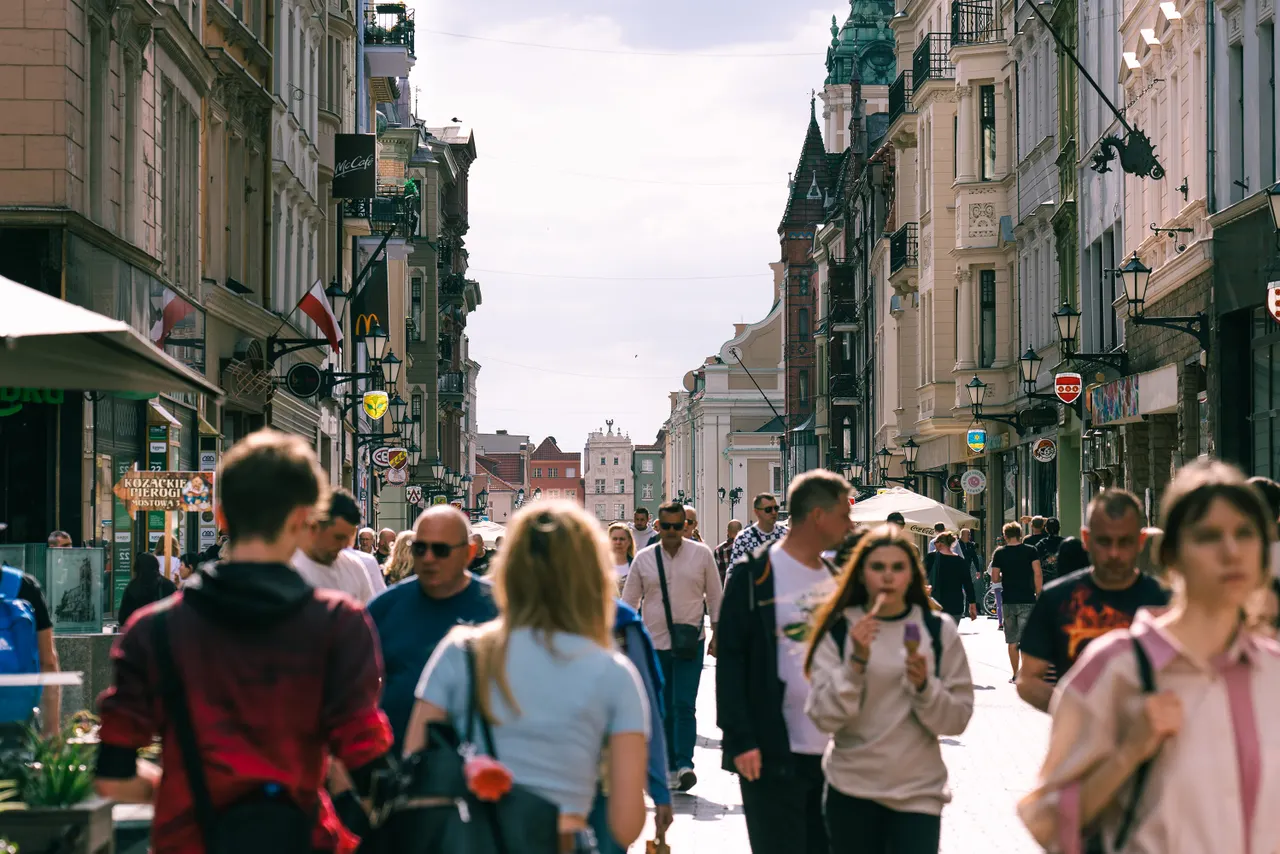
Practical
Poland Currency and Money Guide: Cash, Cards & ATMs
Poland uses the złoty (PLN), not the euro. ATMs give the best rate; kantors beat banks for cash exchange. Card payments are widely accepted in cities.
Schengen visa-free for 90 days (EU, UK, US, Canada, Australia), Polish złoty not euros, and PKP Intercity trains connecting Warsaw to Kraków in under 3 hours — here is what you need to plan a Poland trip.
Poland is a full EU member and part of the Schengen Area. Citizens of the EU, UK, US, Canada, Australia, and most Western countries can enter visa-free for up to 90 days within any 180-day period.
The Polish złoty (PLN). Poland has NOT adopted the euro. ATMs are widely available in all cities. Cards accepted almost everywhere. As of 2026: approximately PLN 4 = £1, PLN 3.8 = €1.
PKP Intercity trains connect Warsaw, Kraków, Wrocław, Gdańsk, and Poznań at good speed. FlixBus covers routes not served by rail. Within cities, trams are efficient and cheap - Kraków, Wrocław, and Warsaw all have excellent tram networks.
May–June and September–October are the best months - warm weather, smaller crowds, and lower prices. July–August is peak summer (Baltic coast, Tatras) and gets crowded. December is excellent for Christmas markets in Kraków and Wrocław.
Poland is affordable by European standards. Budget travellers can manage on approximately PLN 150–200 ($38–50) per day including accommodation. Mid-range is PLN 350–600 ($88–150) per day. Kraków is cheaper than Warsaw.
Polish is the official language - a Slavic language with complex grammar. English is widely spoken in Warsaw, Kraków, Wrocław, and Gdańsk, and by younger Poles throughout the country. Learning a few basic Polish phrases is appreciated.
Poland uses the złoty (PLN), not the euro. ATMs give the best rate; kantors beat banks for cash exchange. Card payments are widely accepted in cities.
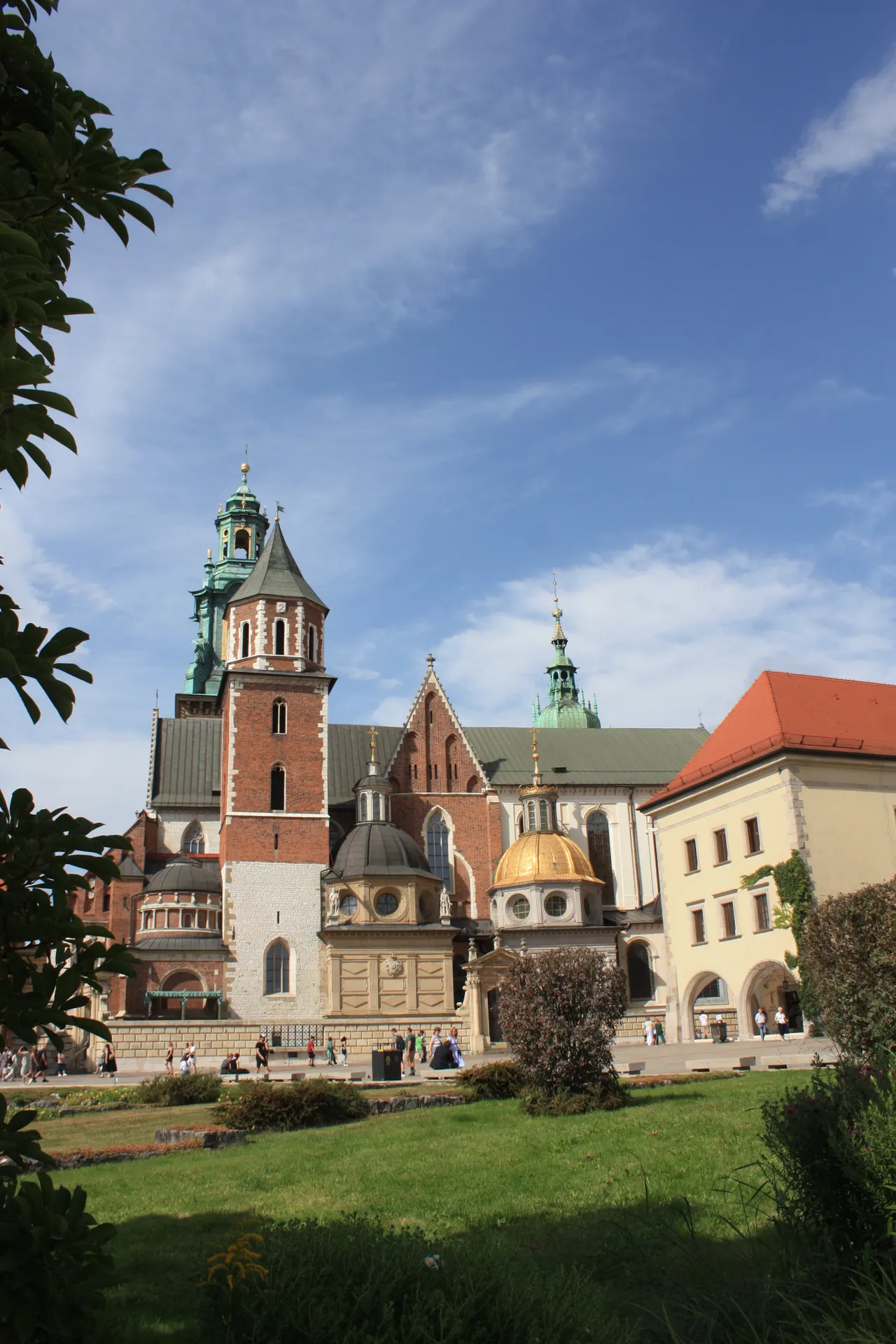
Essential Polish etiquette for travellers: dress codes, tipping rates, greeting customs, dining rules, and how to behave in Polish homes.
Poland welcomed 19.4 million international tourists in 2023. Arrivals, revenue, top destinations, and visitor origins explained with GUS and POT data.

Tipping in Poland: 10% at restaurants, round up taxi fares, 5-10 zl for hotel staff. Service charge is rarely included. Cash tips are preferred.
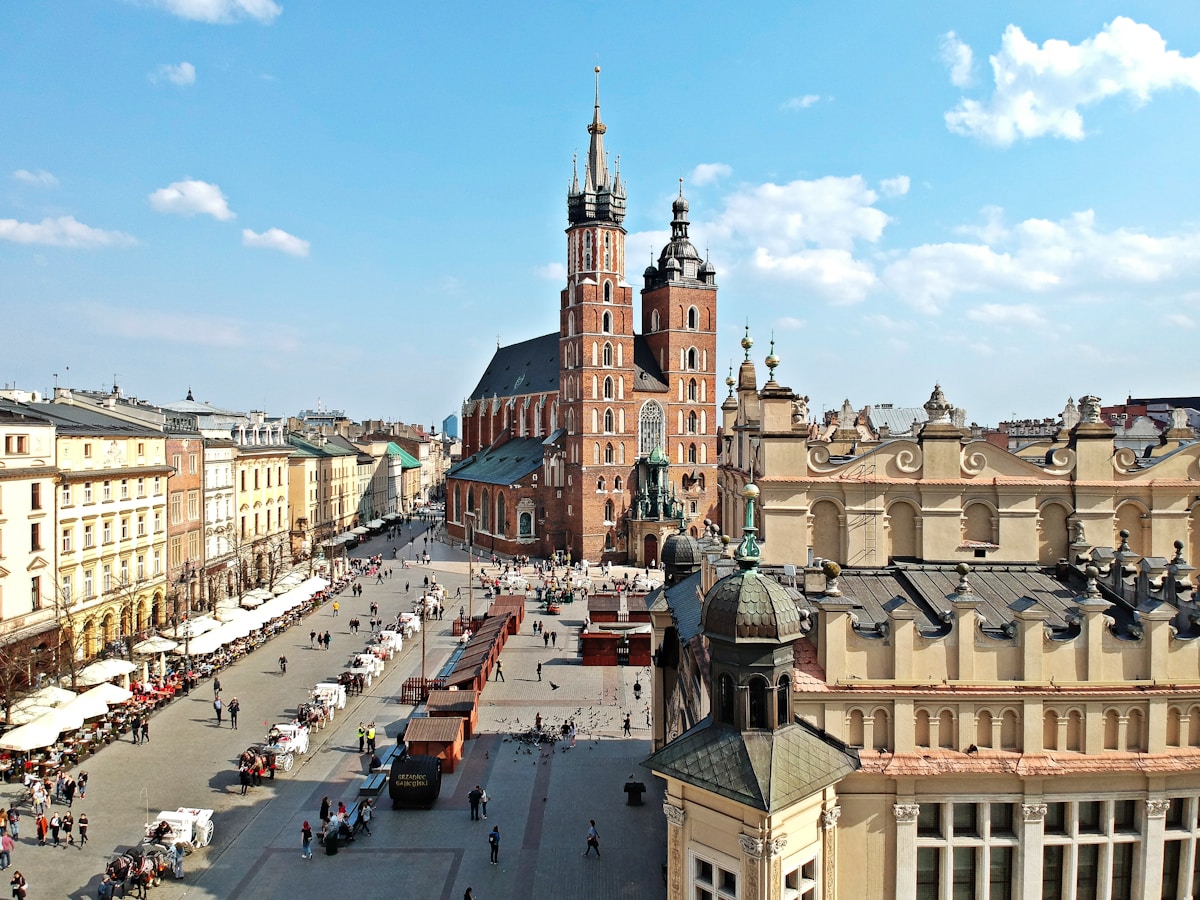
Bus, taxi, train and private transfer from Krakow John Paul II Airport to the city centre, with prices, journey times and booking tips.
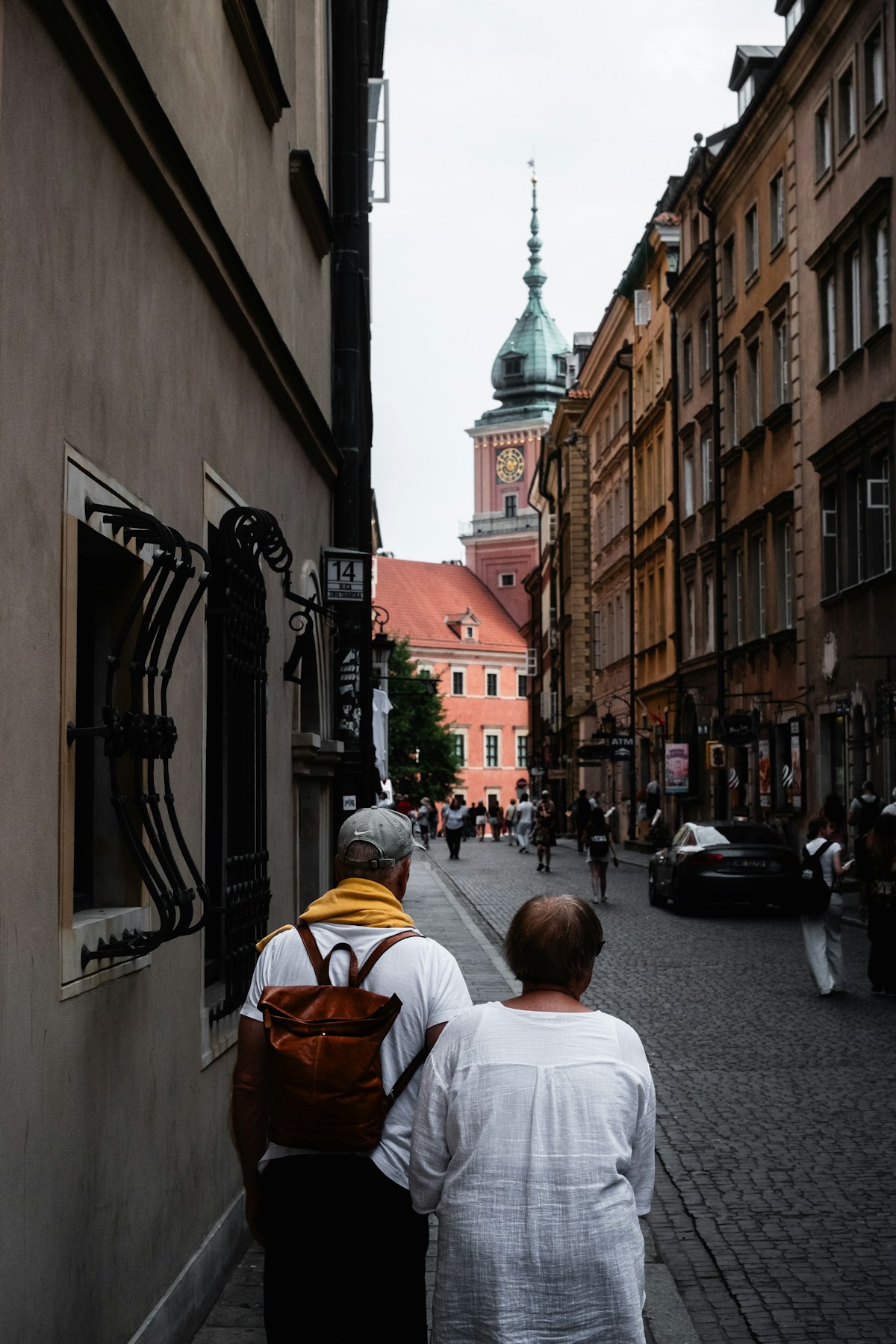
Train, bus, taxi and private transfer from Warsaw Chopin Airport to the city centre, with journey times, costs and booking tips.
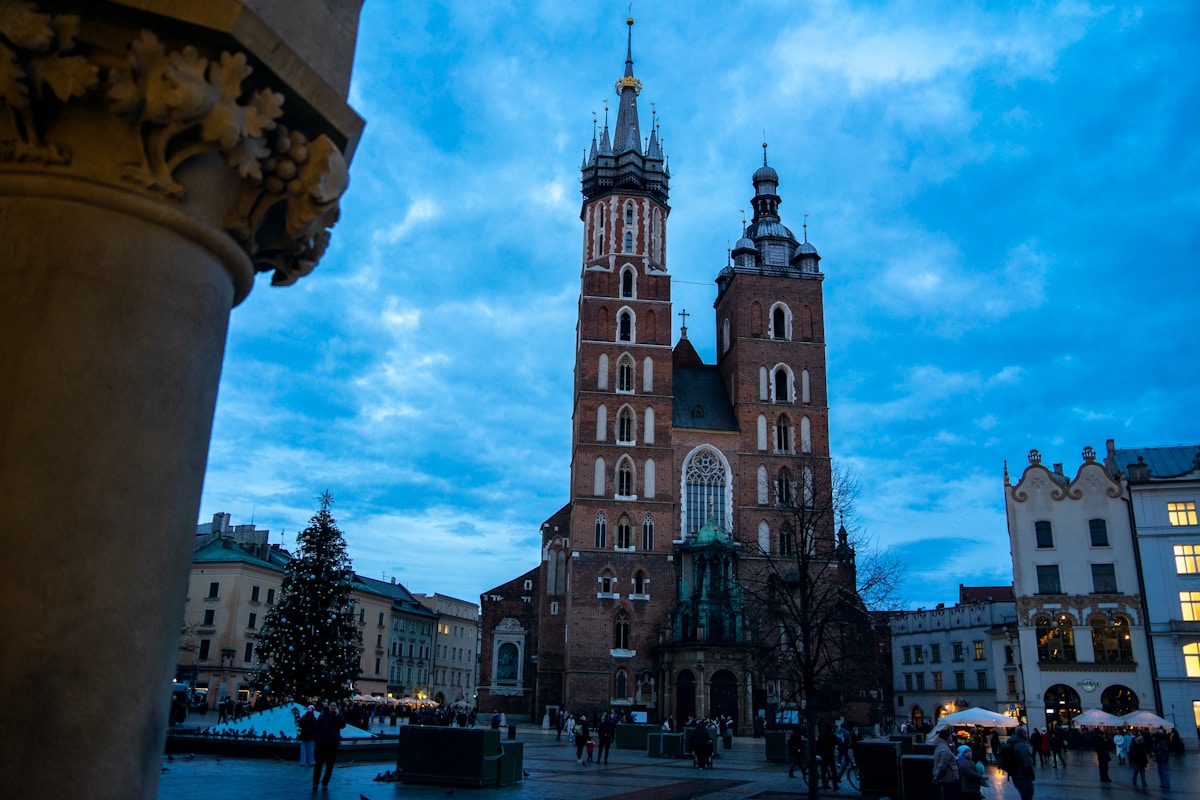
Poland in winter means Christmas markets in Kraków and Wrocław, empty museums, and temperatures from -5°C to 5°C. Here's what to pack and why to go.
Poland is in the Schengen Area. EU/EEA citizens enter freely; most others need a Schengen visa or qualify for visa-free 90-day stays. Full requirements.
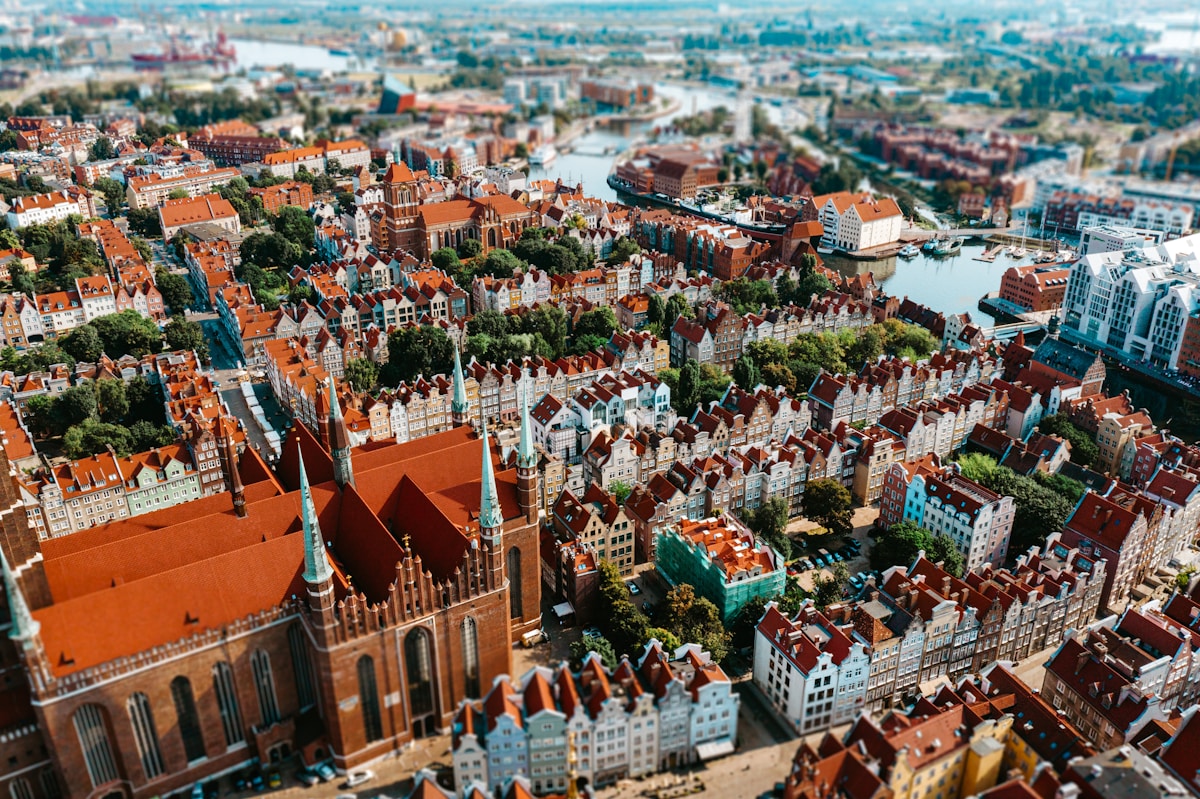
Taxi, shuttle and public bus options from Gdansk Lech Walesa Airport to the city centre: journey times, costs and booking tips.
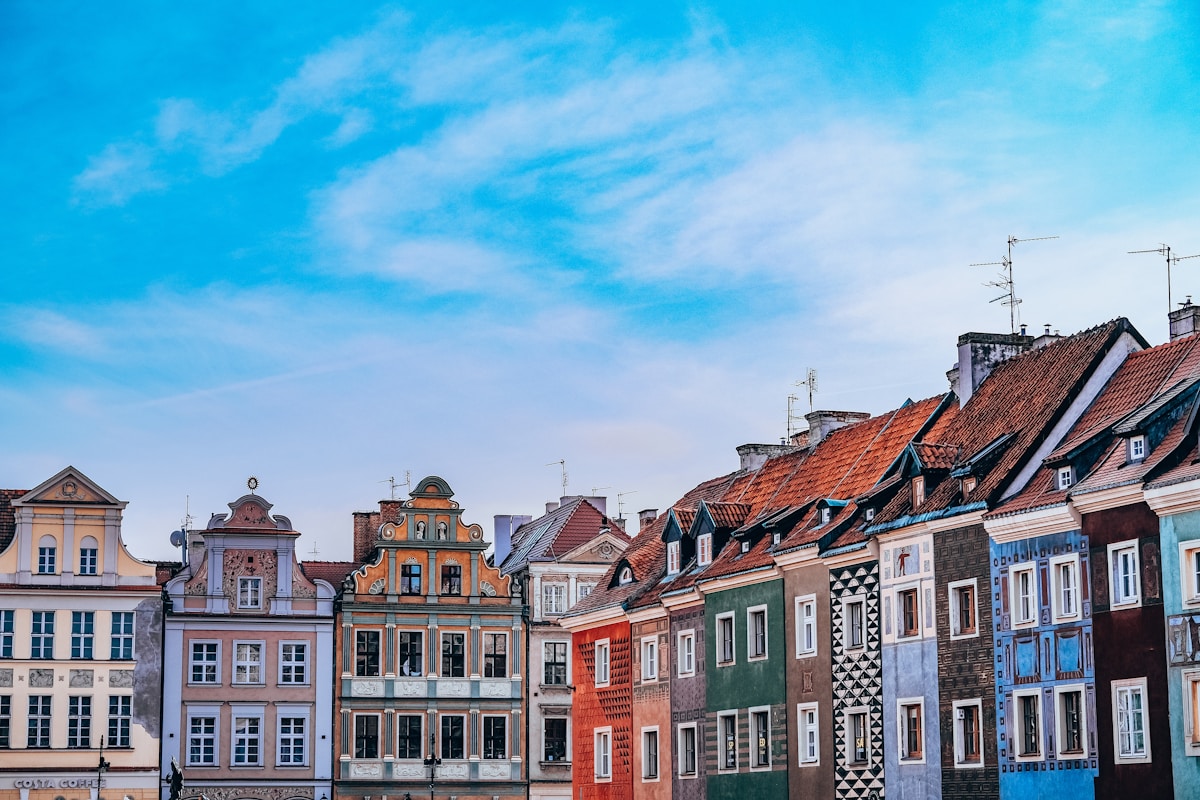
Bus, taxi and private transfer options from Poznan Lawica Airport to the city centre: bus costs 4 PLN, taxi around 40 PLN for a 15-minute ride.
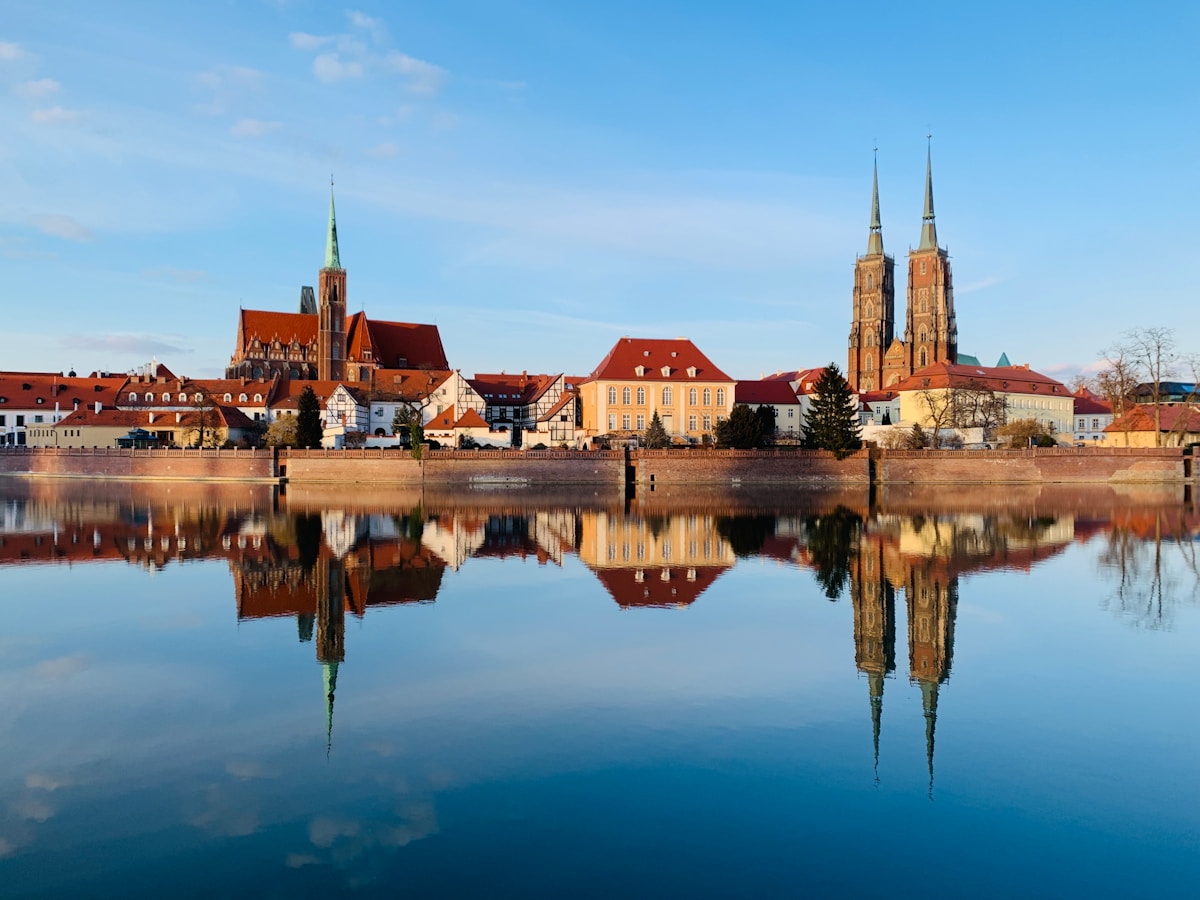
Taxi, shuttle and tram options from Wroclaw Copernicus Airport to the city centre: journey times, fares and booking advice.
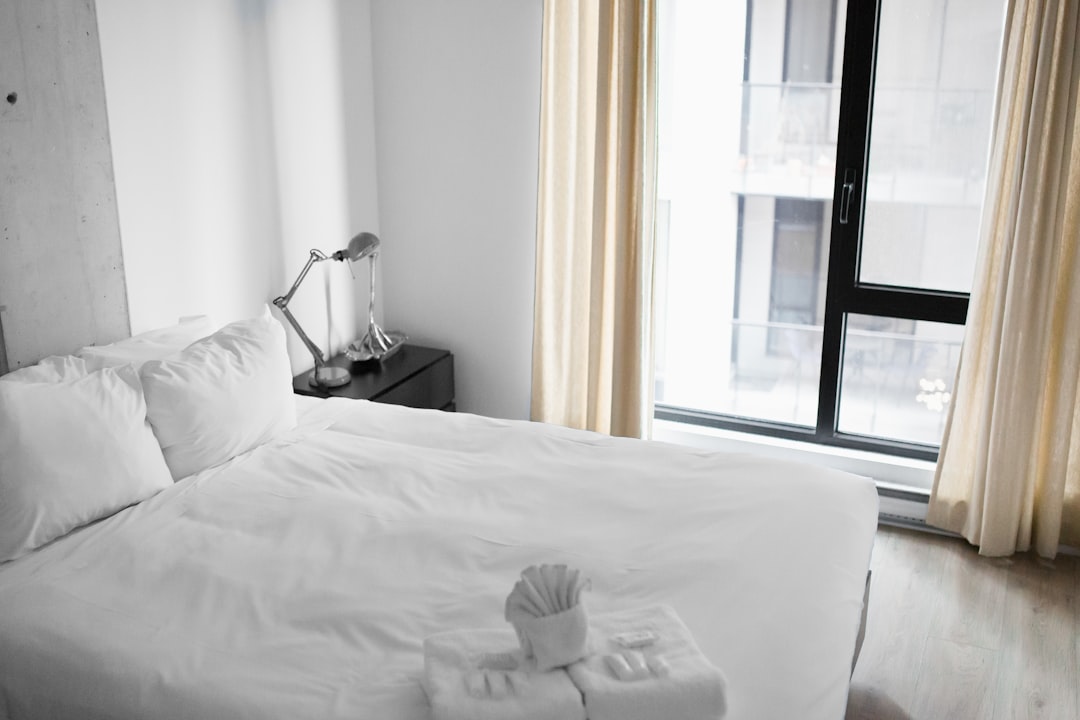
Best hotels in Poland by budget: characterful Old Town guesthouses from PLN 120, solid mid-range from PLN 300, luxury boutique picks plus booking tips.
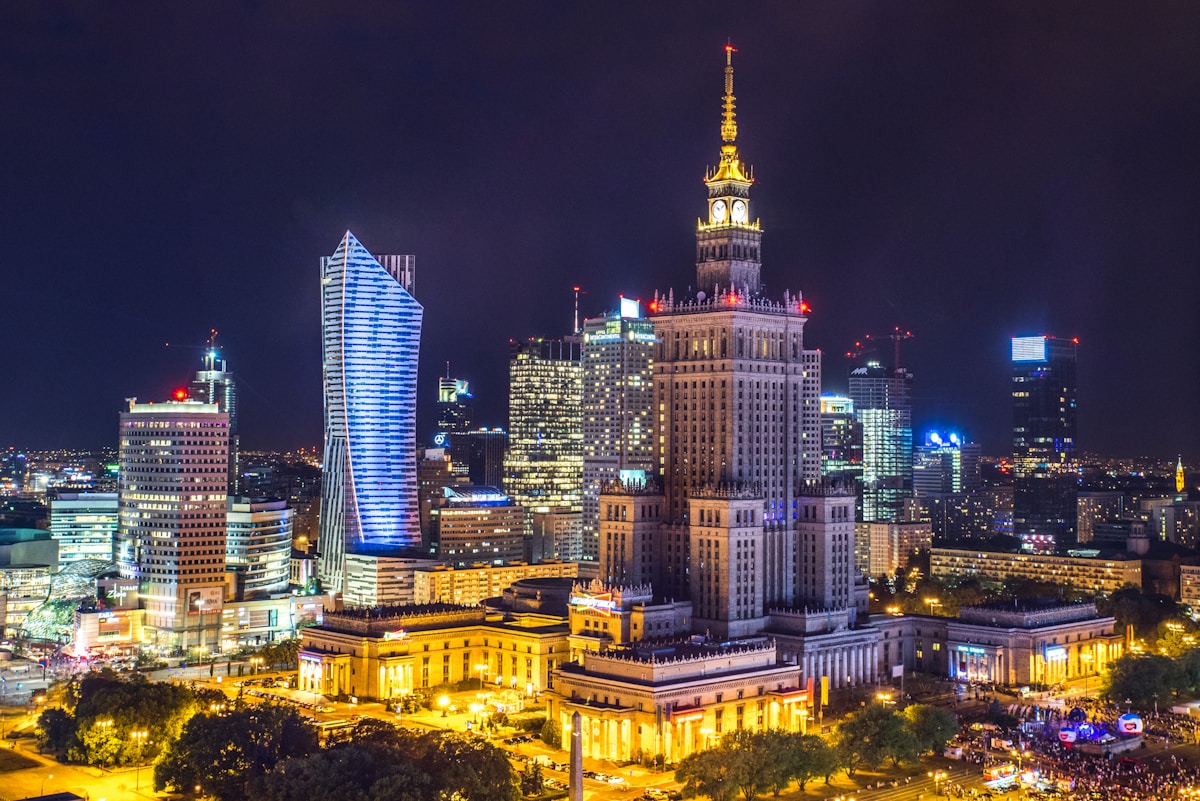
A complete Poland guide: top cities, best regions, visa facts, currency, transport and practical planning tips for a trip to Poland.
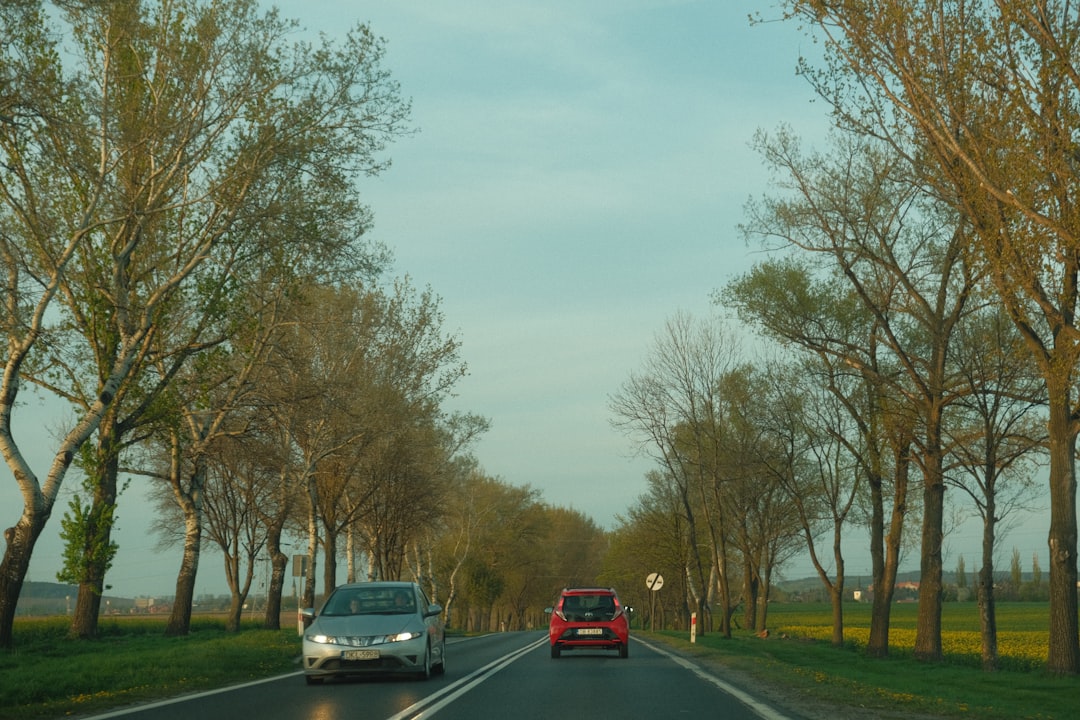
Everything you need to rent a car in Poland: driving requirements, toll roads, parking zones, winter tyres, insurance, and the best rental companies.
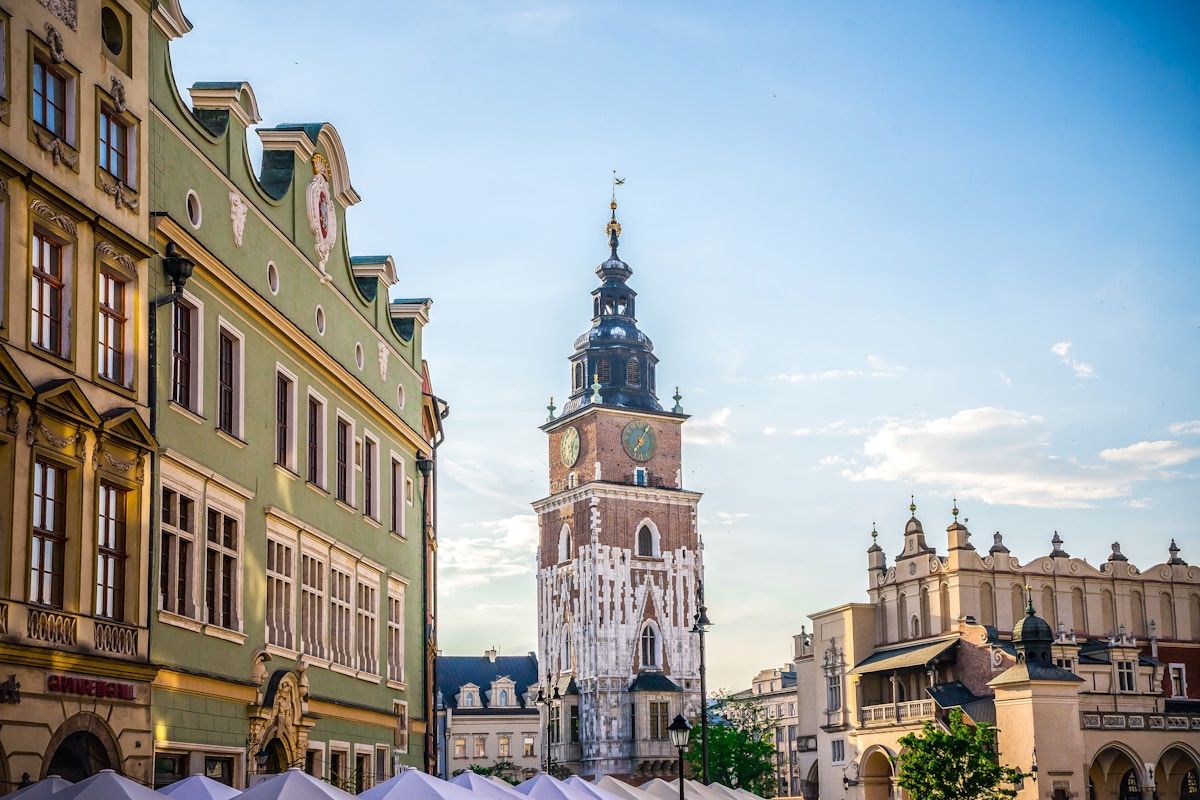
Daily costs for Poland travel: budget, mid-range, and luxury tiers in PLN. Accommodation, food, transport, and attractions broken down by city.
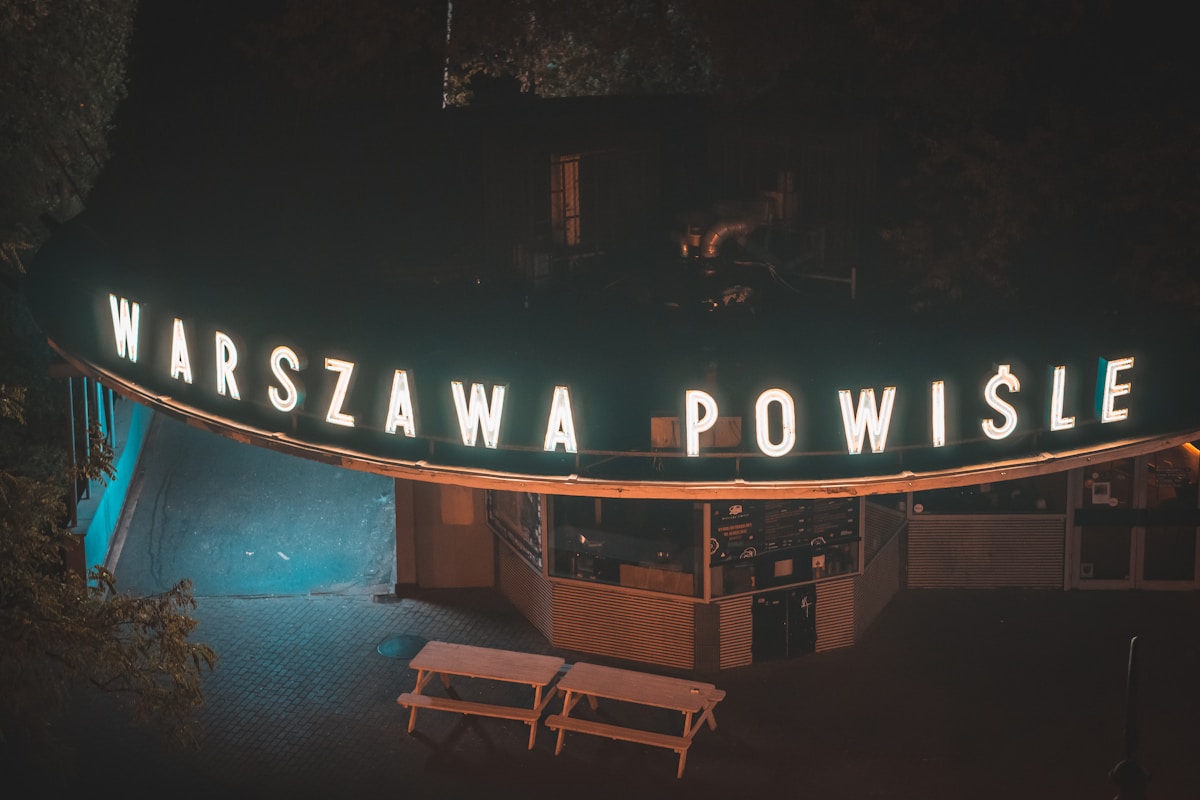
Everything you need to know about Polish złoty: best exchange rates, card vs cash, ATM tips, tipping customs, and how much to carry.
Compare Warsaw to Kraków transport options: PKP Intercity train (2.5h, from PLN 99), FlixBus, and driving. Booking tips, times, and costs.
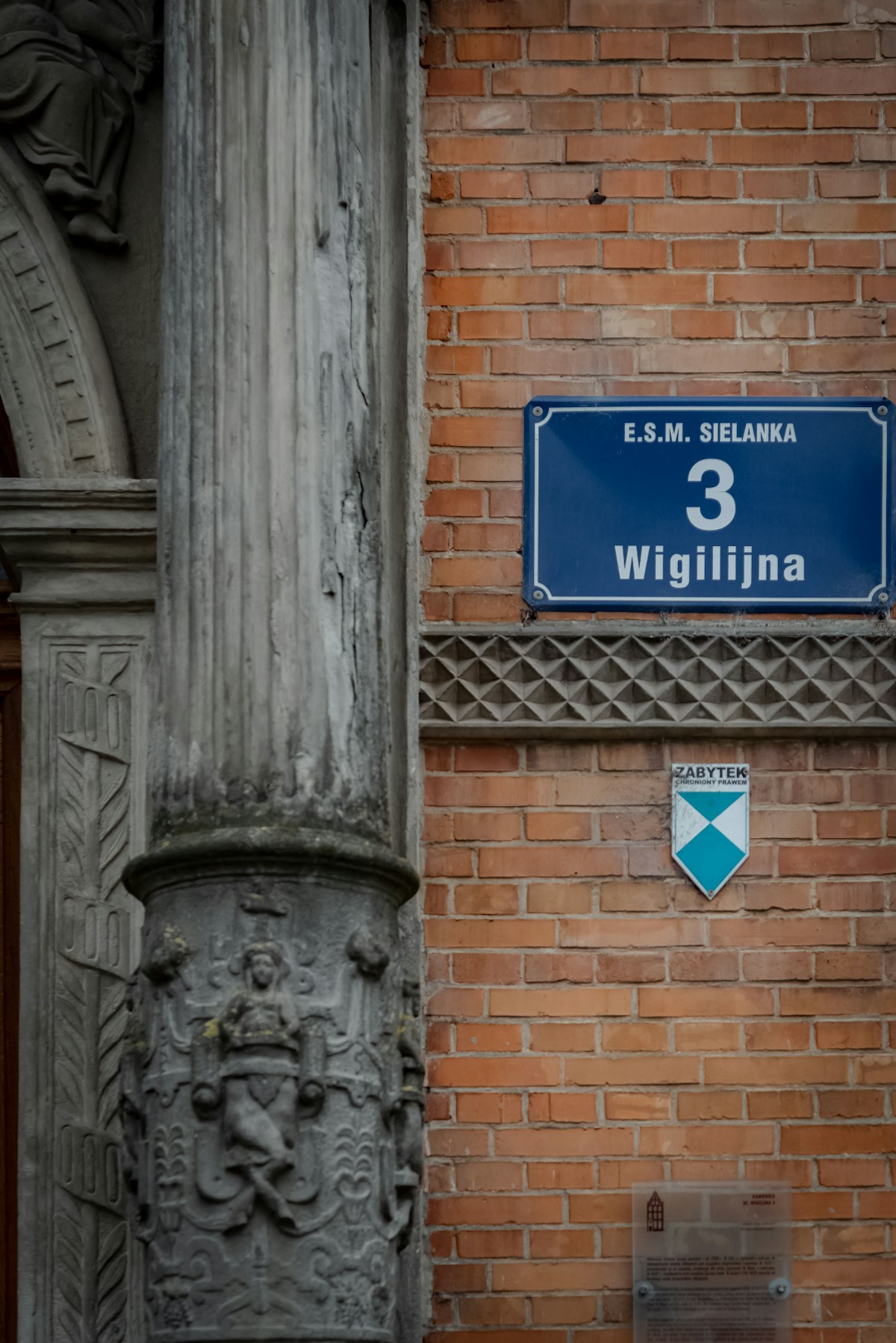
Polish phrases for travellers with phonetic pronunciation guides for greetings, transport, dining, shopping, emergencies, and numbers.
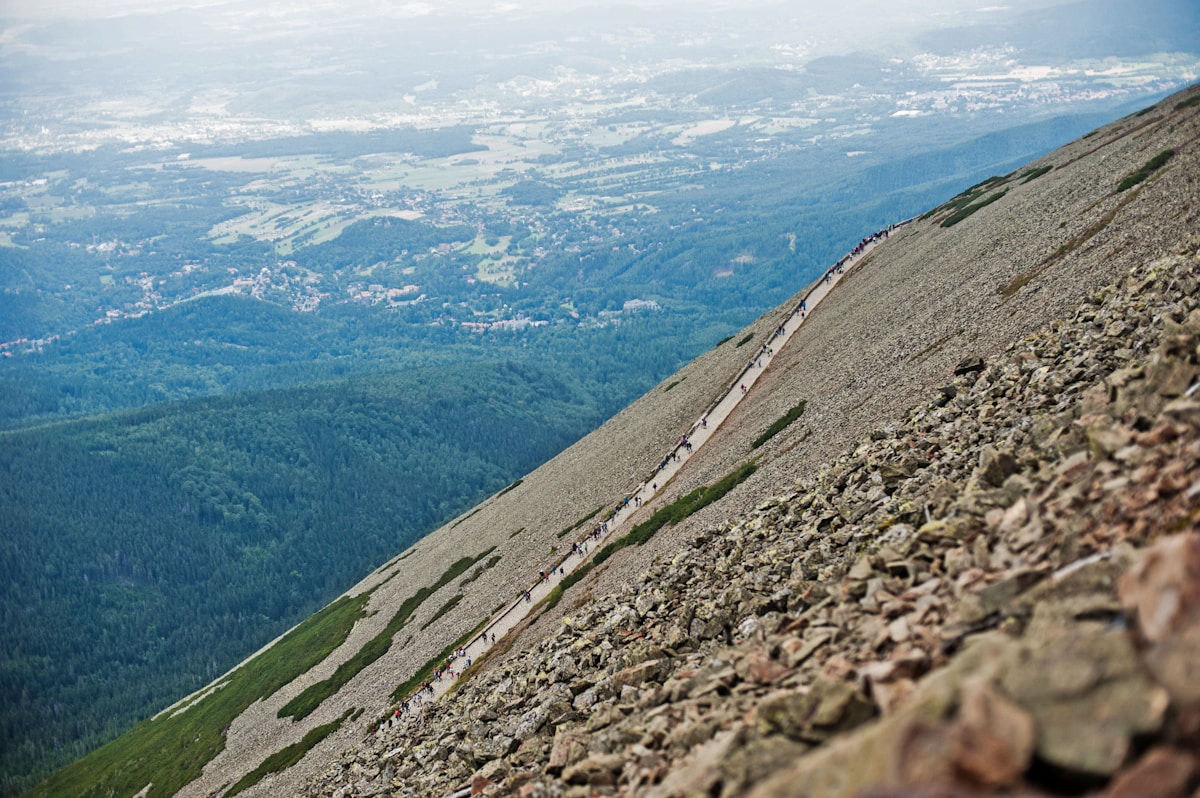
Best time to visit Poland: May–September for warmth, skipping peak crowds. December brings Kraków Christmas markets and festive atmosphere.
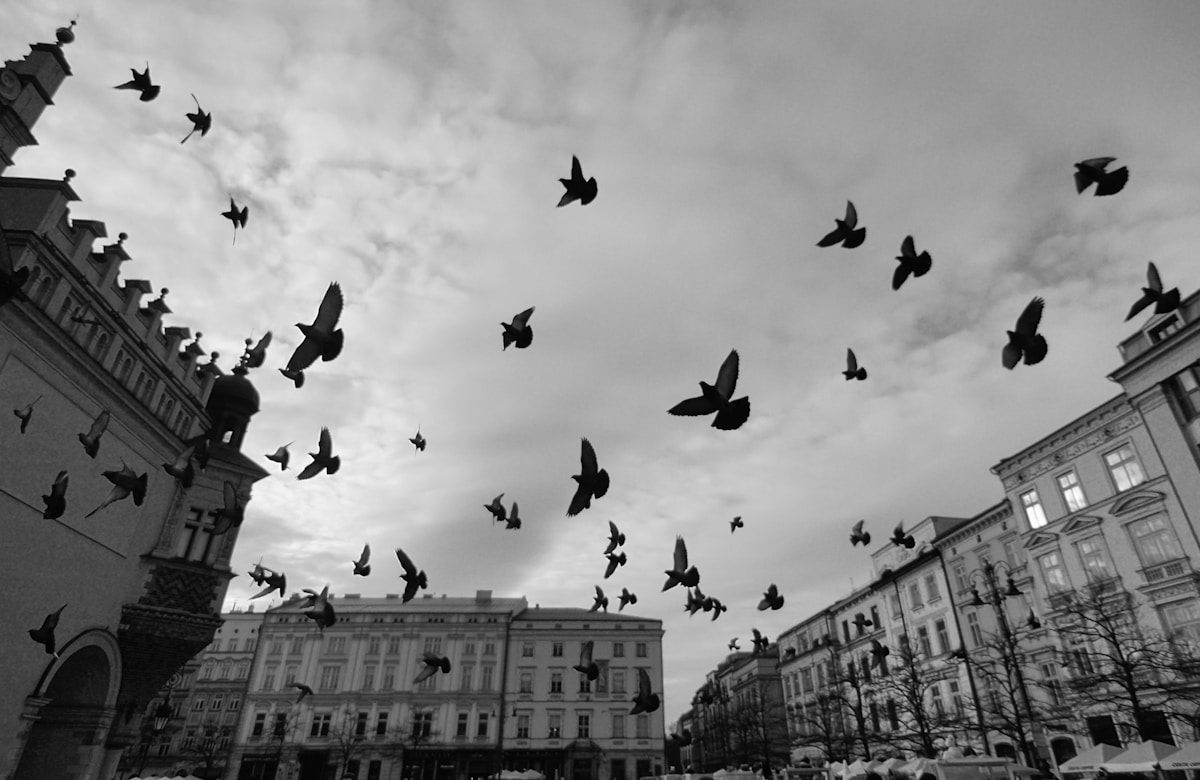
Poland and Czech Republic are two of the most popular Central Europe first trips. We compare cities, value, food, beer and crowds to help you pick.
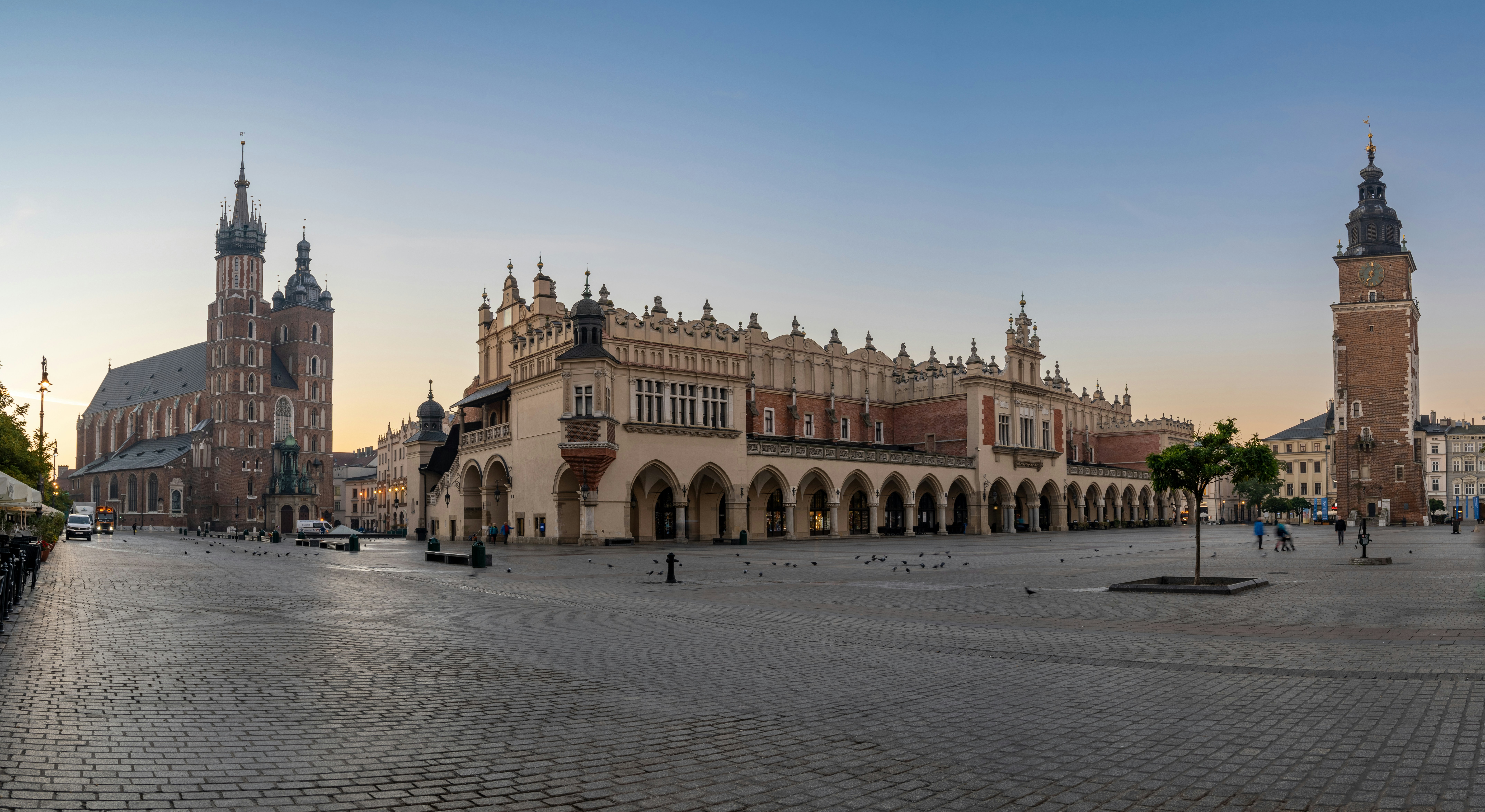
Poland is one of Europe's best-value solo destinations: walkable cities, remarkable history, and a strong backpacker culture. Full practical guide.
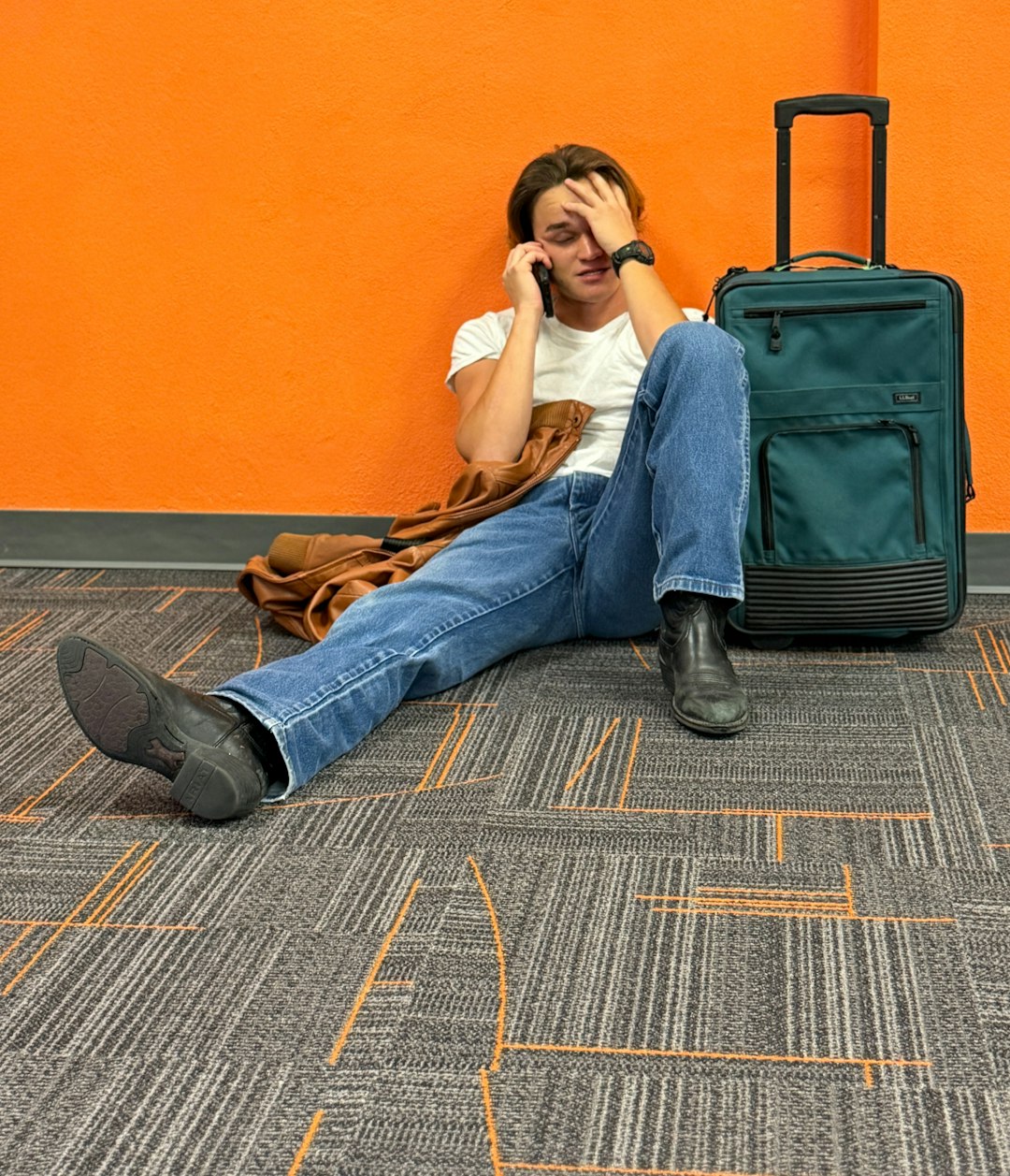
Delayed or cancelled flight from Poland? EU261 entitles you to up to €600. We cover who qualifies, how to claim, and which airlines pay without a fight.
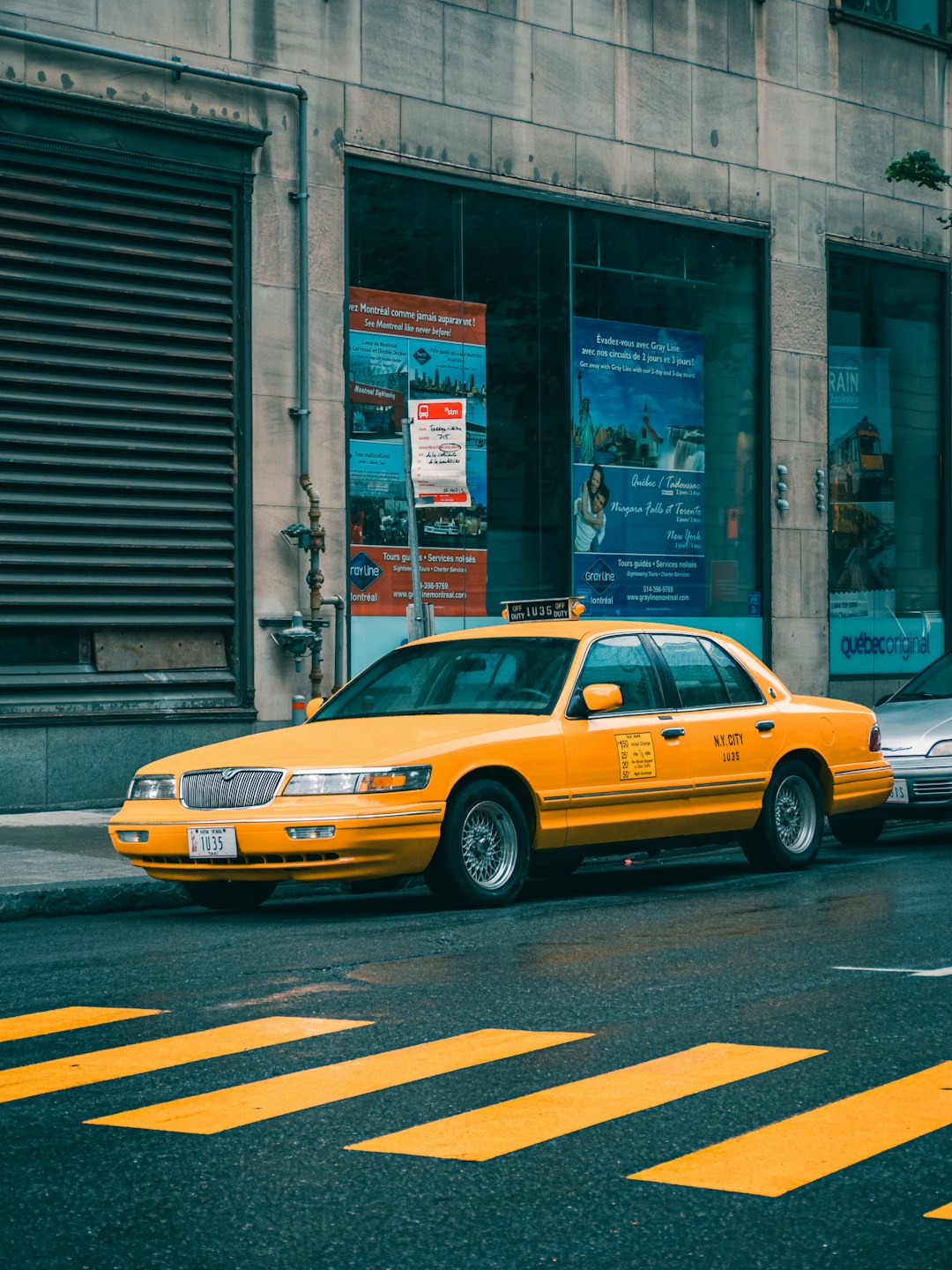
Airport transfers for Warsaw, Krakow, Gdansk, Wroclaw and Poznan: metro, Bolt, private shuttle and train options compared, with fares and tips.
Cheap flights to Poland from around 30 EUR on Ryanair, Wizz Air and LOT. Book 6-8 weeks ahead; Warsaw and Kraków are the main entry airports.
Travel insurance for Poland: EHIC vs full cover, ski accident protection in Zakopane, and options for EU and non-EU travellers.
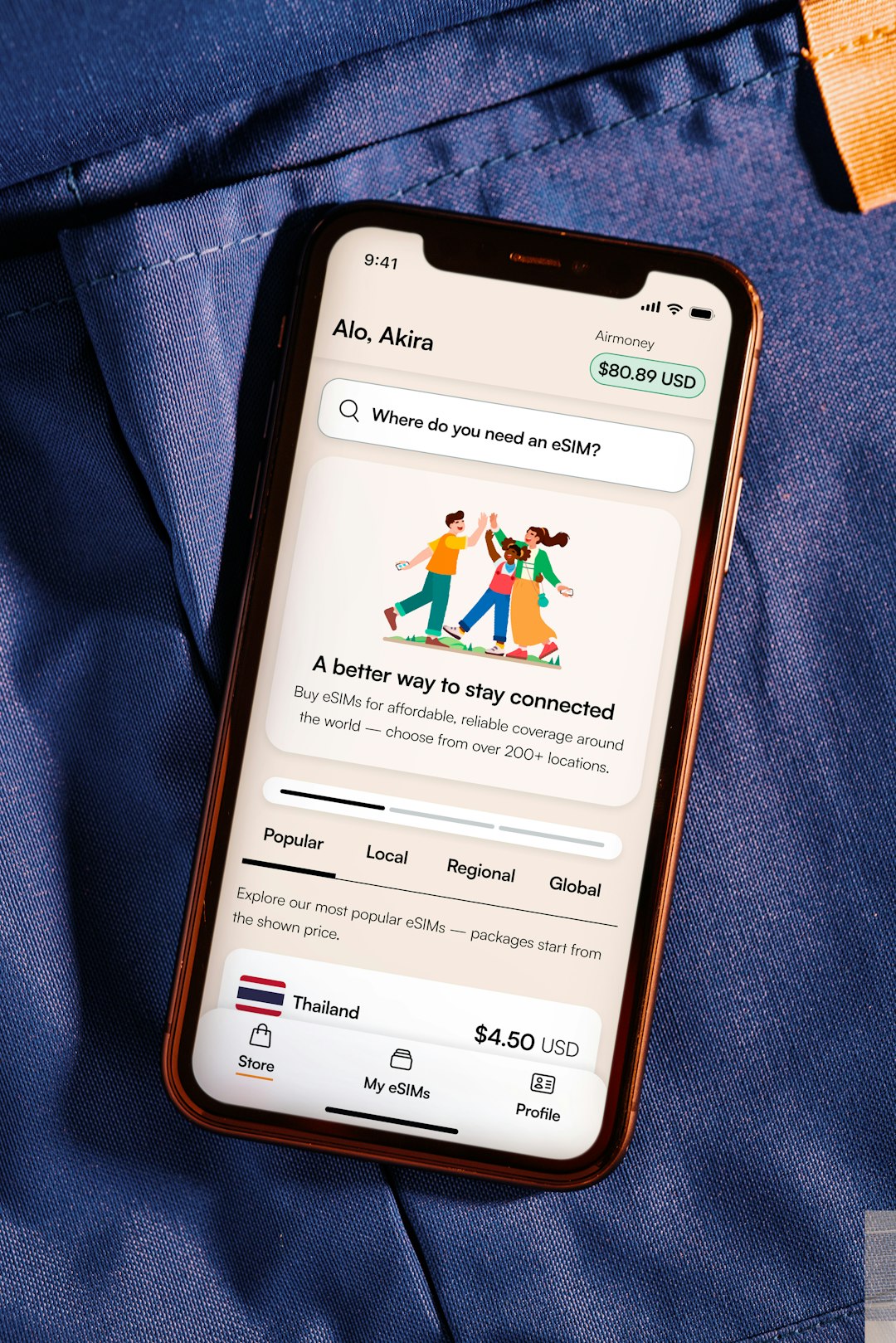
Best Poland eSIM and SIM card guide: Airalo from $5, Holafly and Nomad compared against local carriers, with coverage and pricing.
Poland transport by region: trains, buses, internal flights, driving, and city transit. Costs, durations, and options explained.
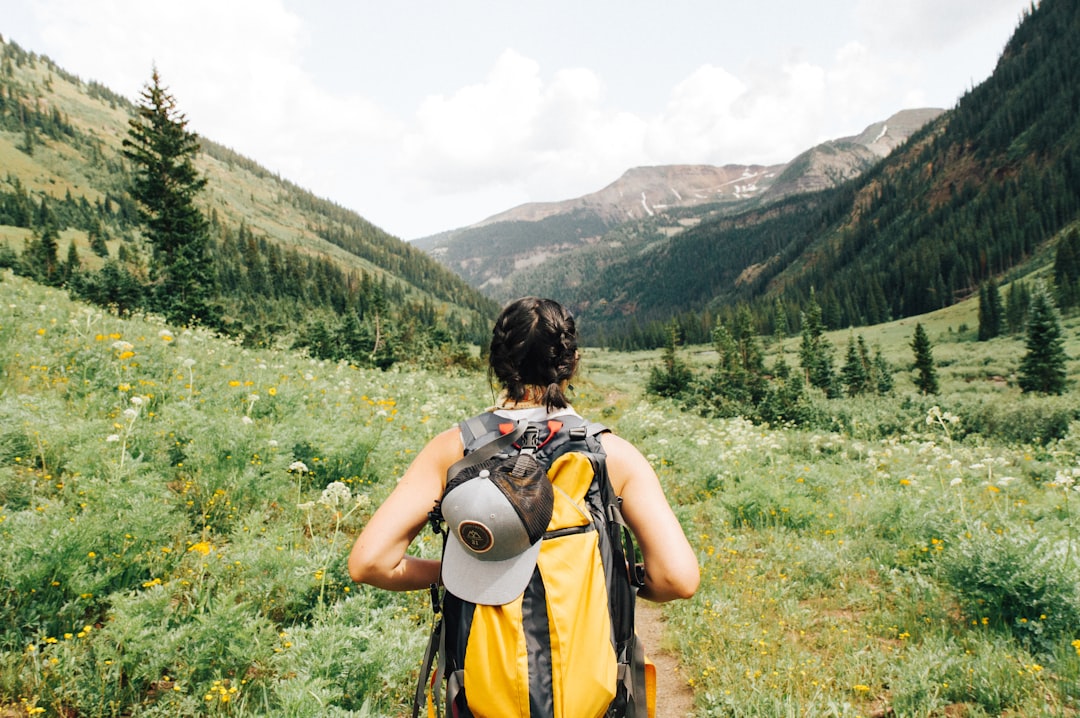
Poland is one of Europe's safest travel destinations: an honest guide to petty crime, scams, LGBTQ+ considerations, road safety, and emergency contacts.
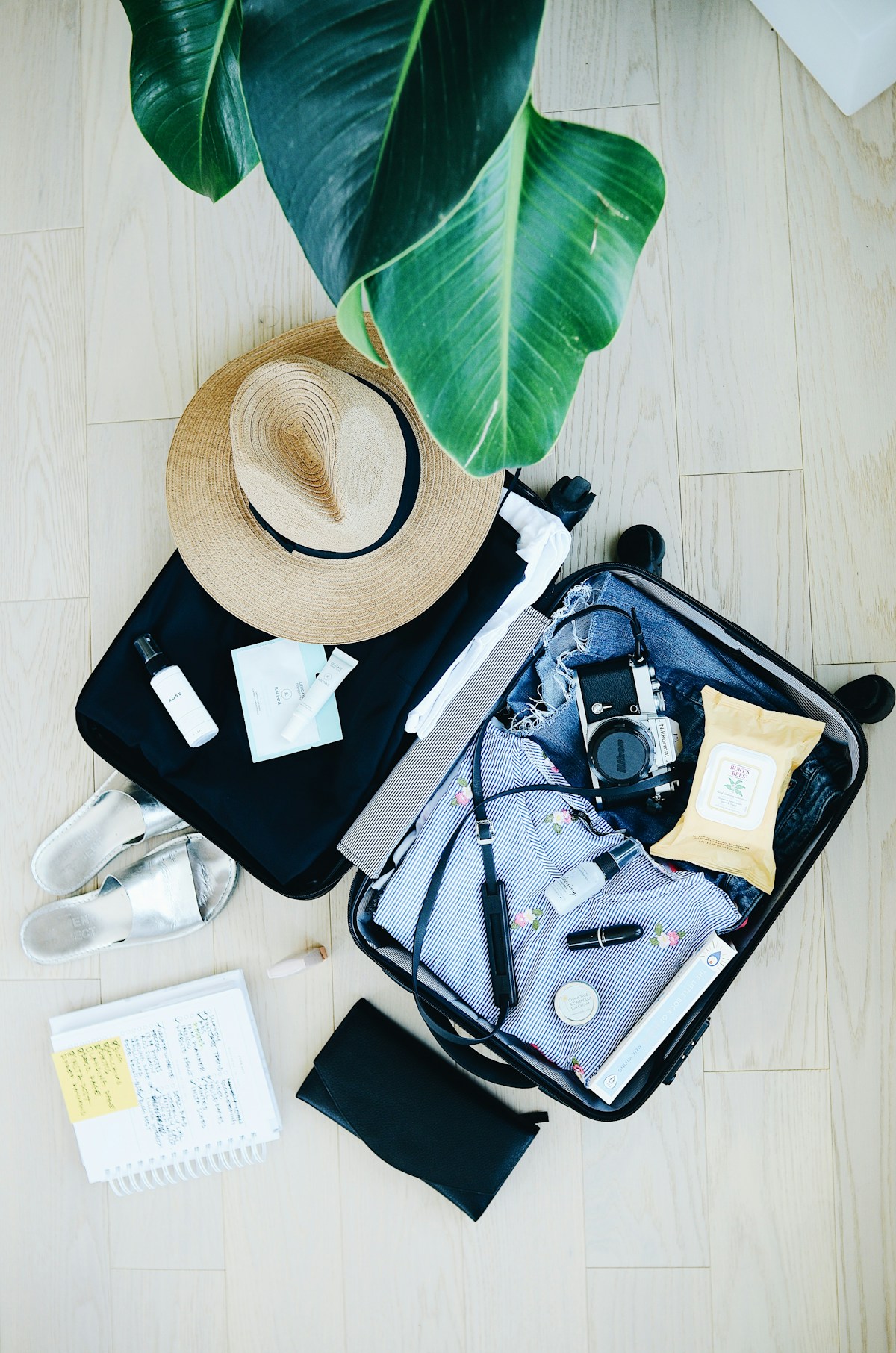
A practical packing guide for Poland covering summer, winter, and year-round essentials: clothing, tech, documents, and what to leave at home.
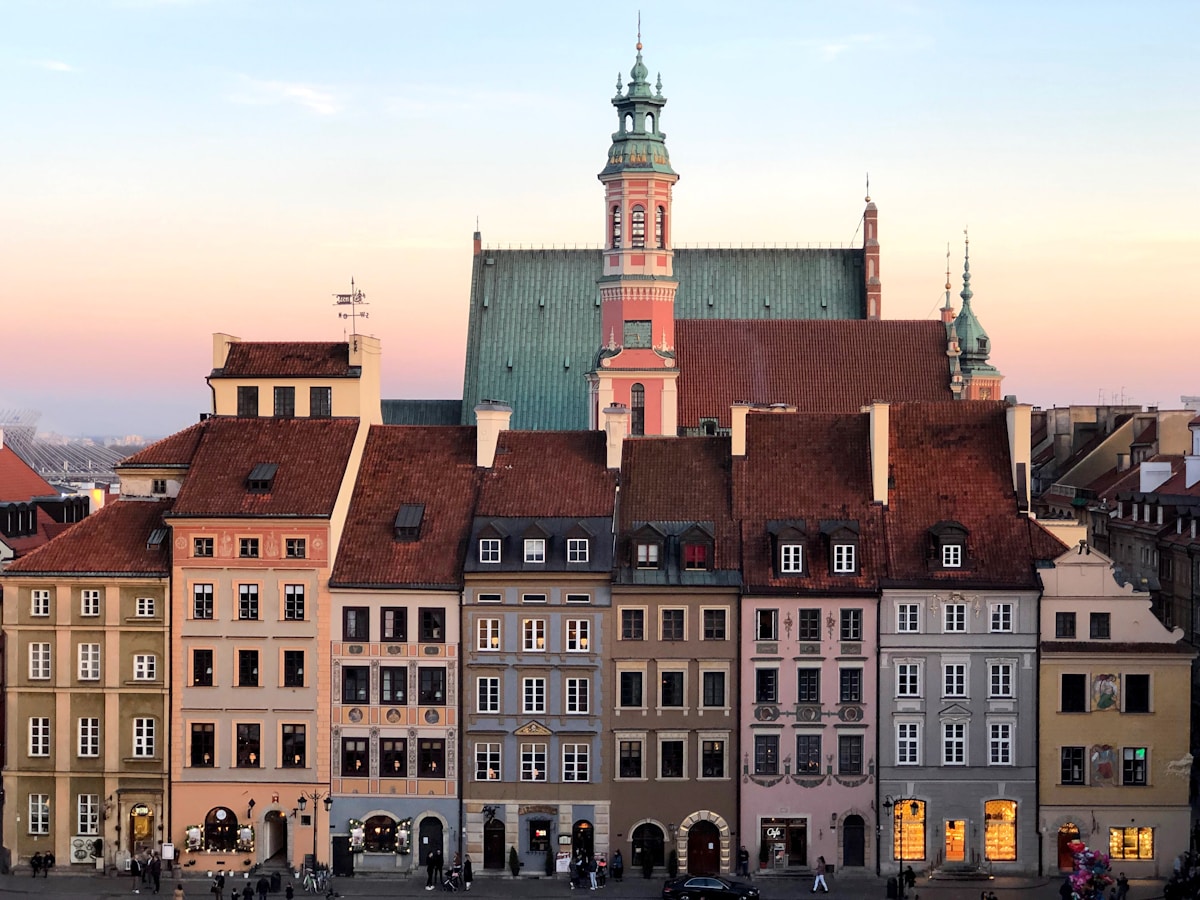
Everything first-time visitors need to know about Poland: visas, currency, costs, transport, safety, SIM cards, and language basics, about 90 days away.
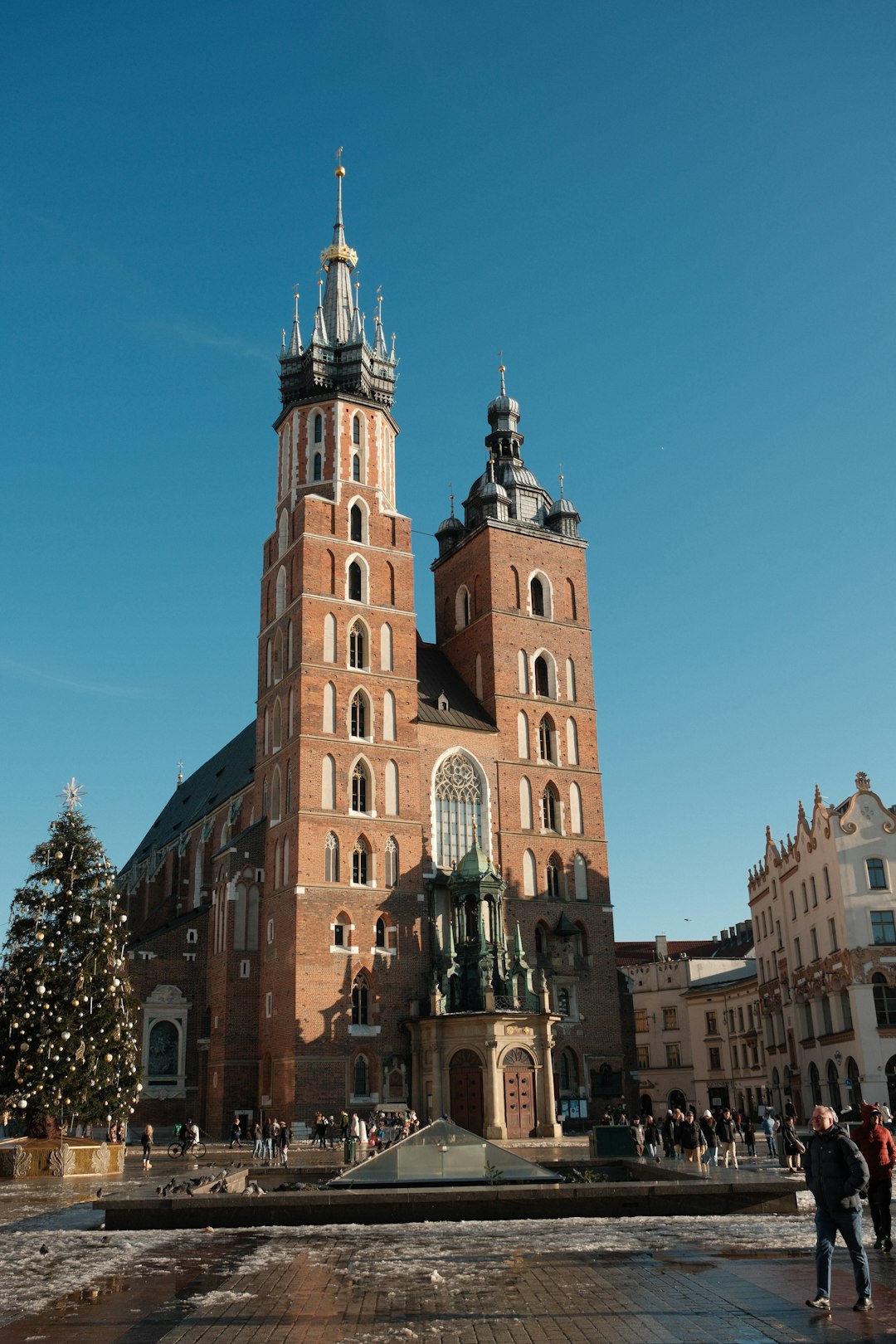
Christmas markets in historic squares, mulled wine and genuine festive atmosphere define December in Poland. Krakow and Wroclaw lead the way.
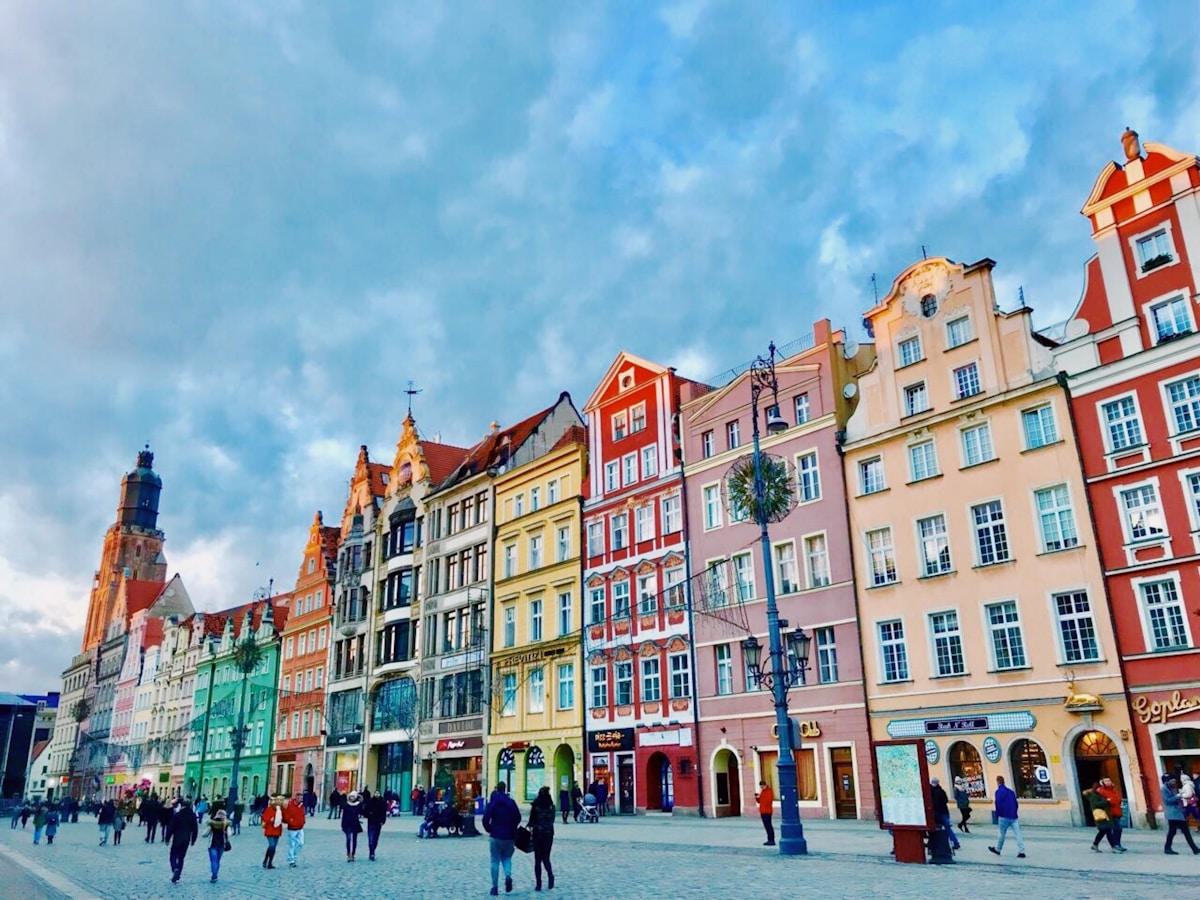
Cold, quiet and underrated: November in Poland rewards travellers willing to wrap up. Independence Day, candlelit cemeteries and low prices.
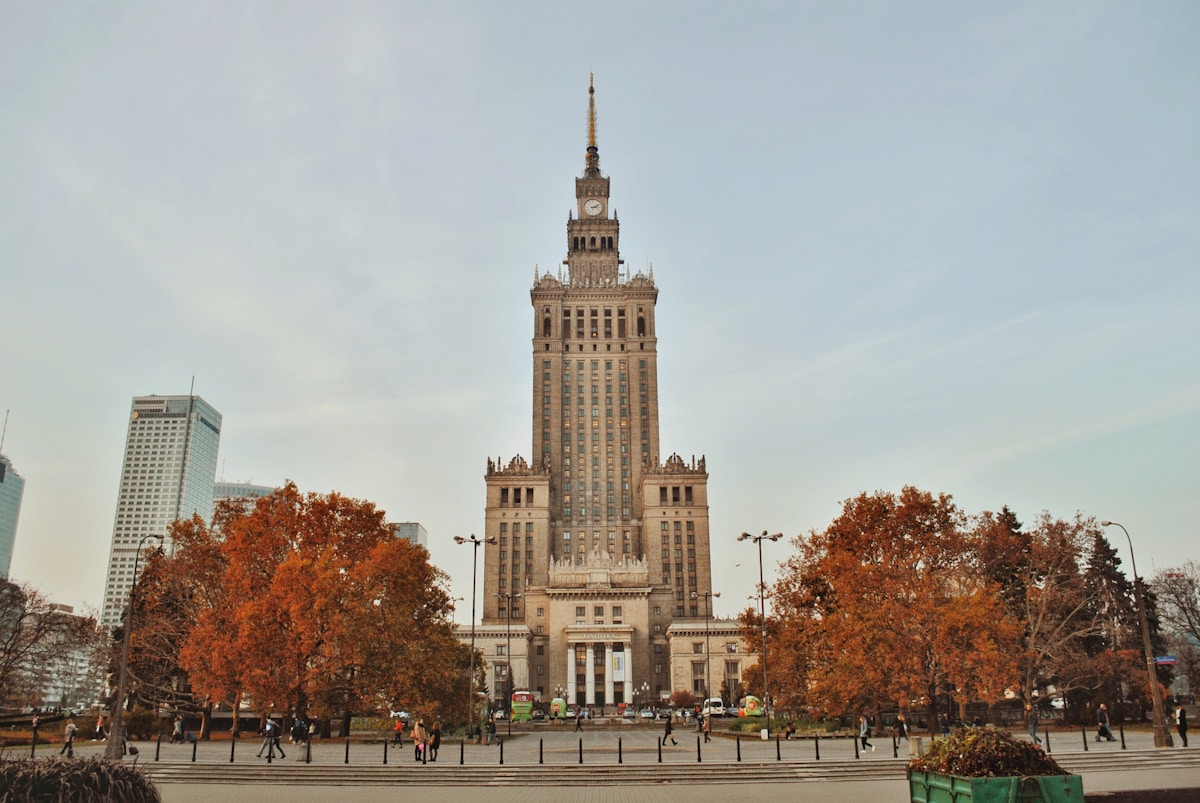
Stunning autumn colour, few tourists and low hotel rates make October excellent for city breaks and hiking in Poland. A genuinely rewarding month.
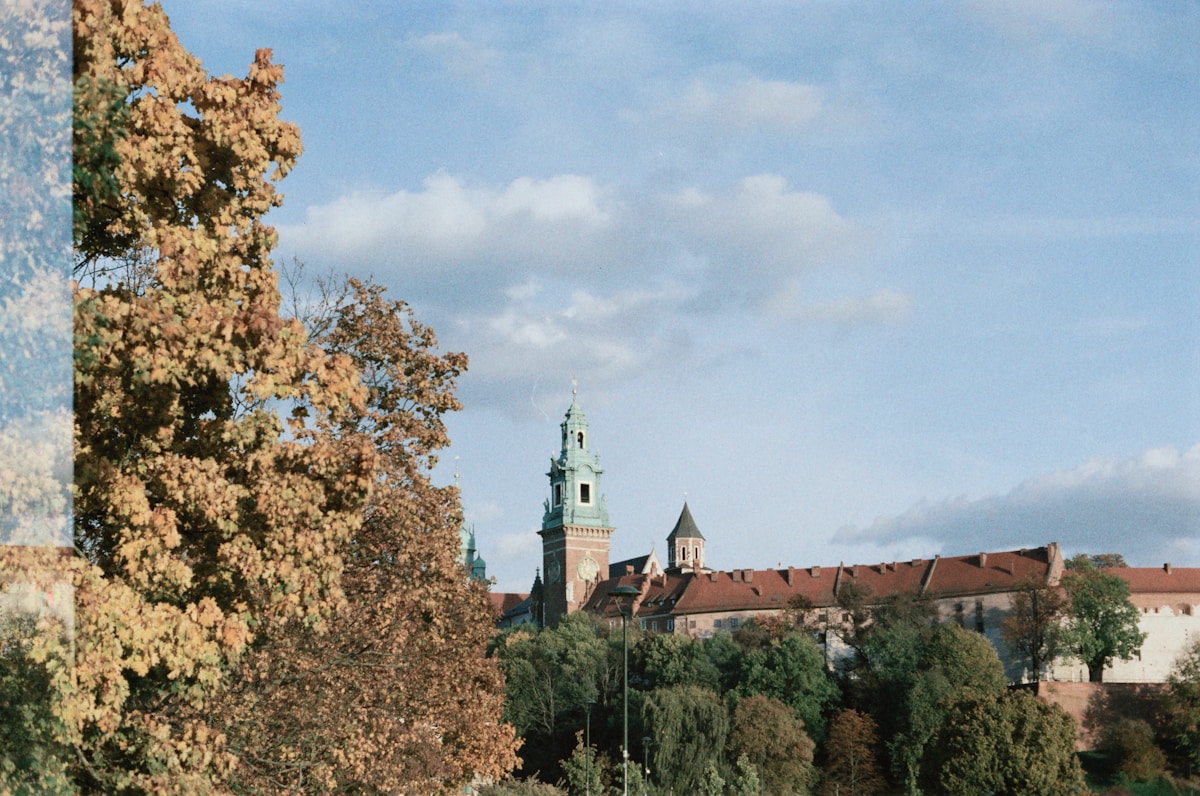
Warm and uncrowded, September is one of Poland finest travel months. Autumn colour arrives, hiking conditions are ideal and prices ease off.
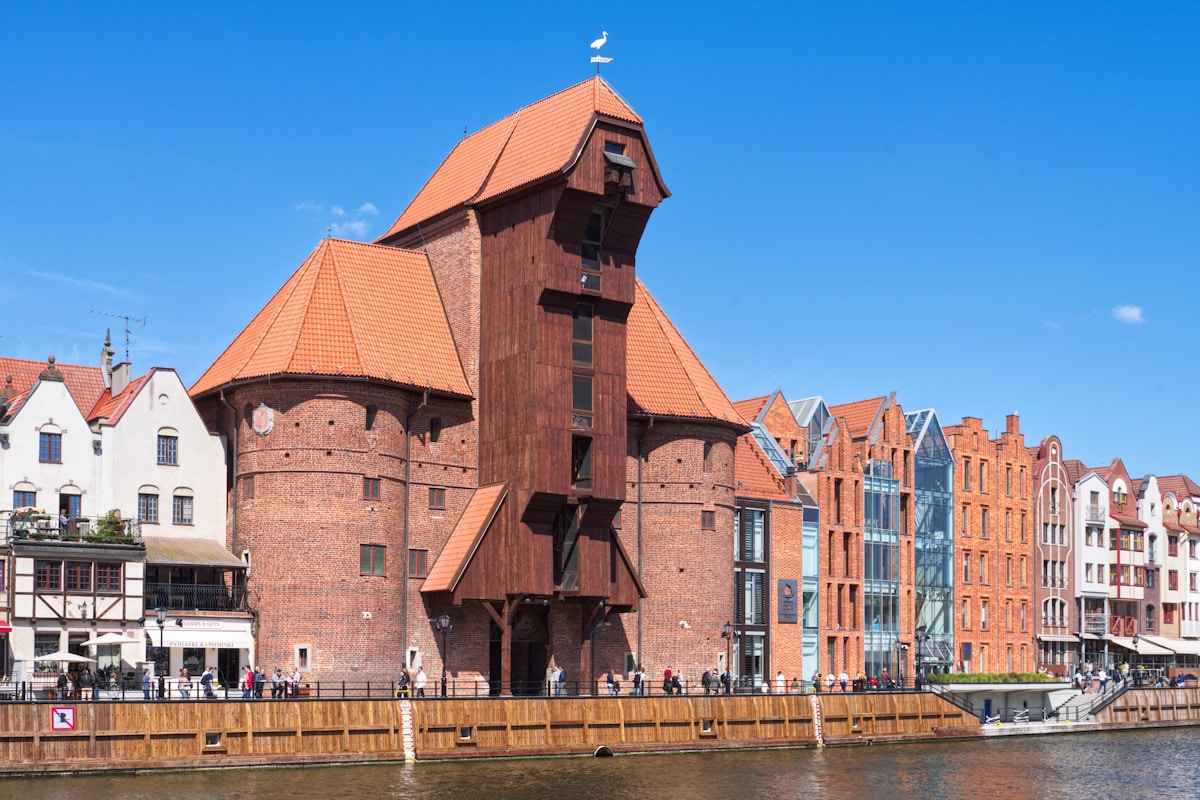
Poland hottest month brings St. Dominic Fair, the Warsaw Rising commemoration and peak Tatra hiking. Plan ahead: accommodation fills fast.

Hot weather, St. Dominic Fair in Gdansk and full Tatra hiking season make July Poland peak summer month. Book accommodation well in advance.
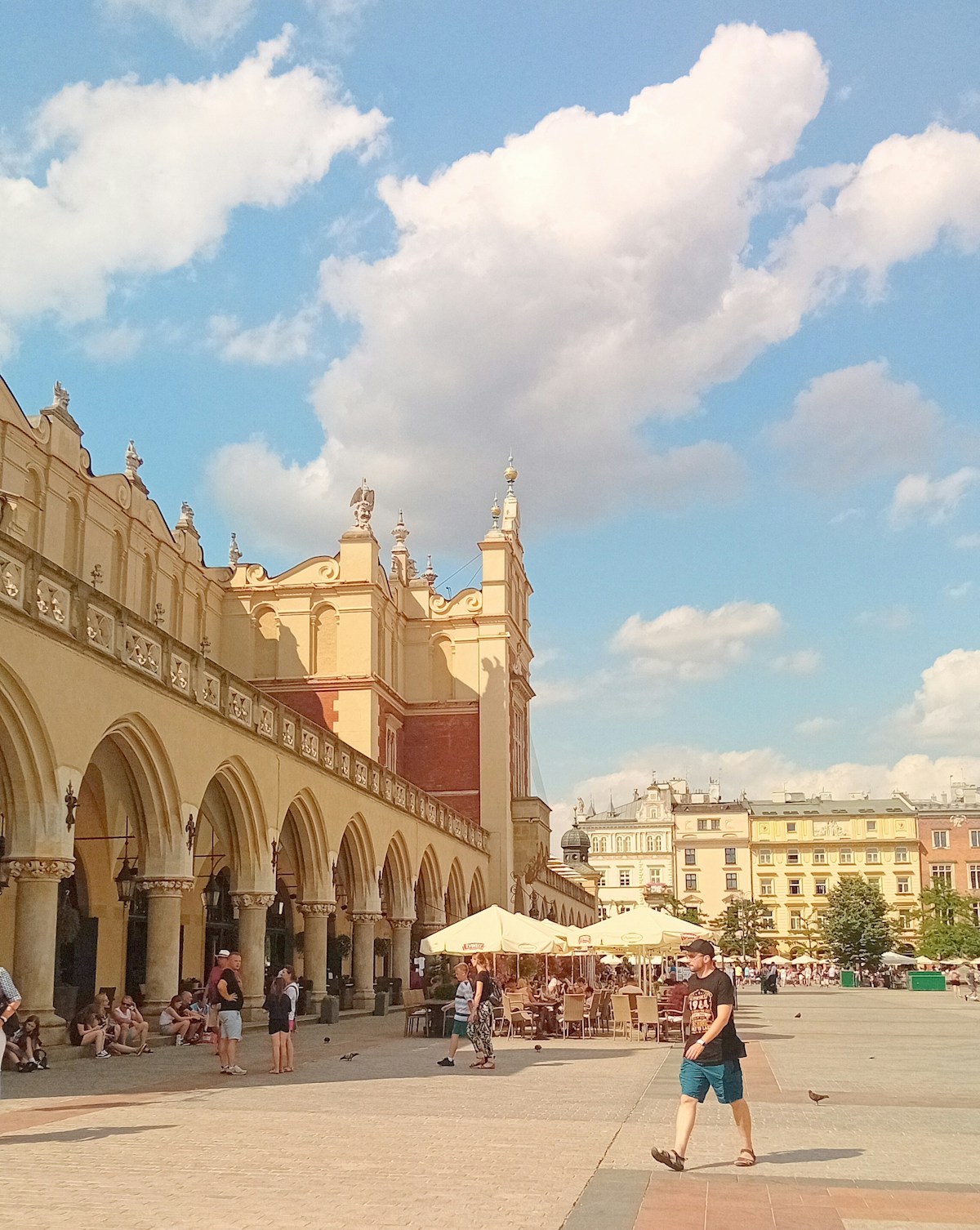
Warm long days and a building holiday buzz: June brings Dragon Days in Krakow, the Baltic coast opening up, and good weather before peak crowds.
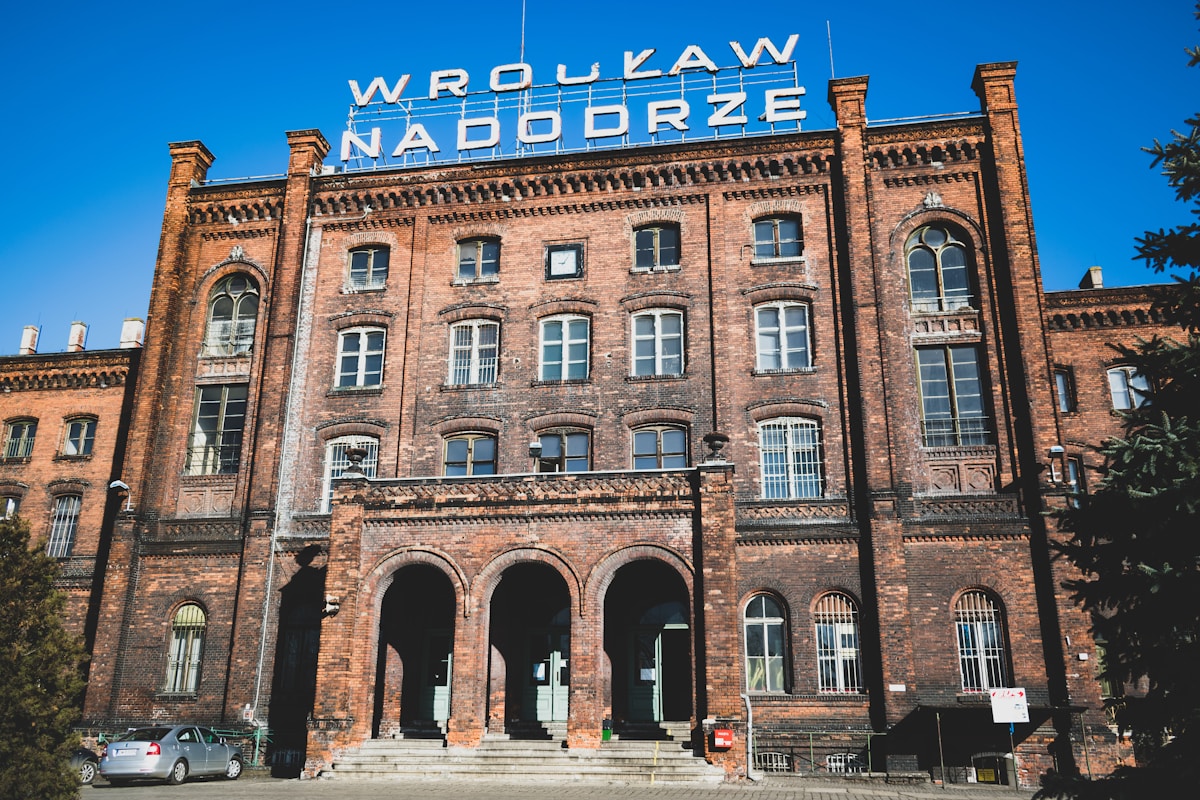
Warm, green and full of public holidays: May is one of Poland best months to visit. Outdoor events, long evenings and comfortable temperatures.

Mild spring weather and no summer crowds make April one of Poland best travel months: spring colour, Constitution Day parades and open hiking trails.
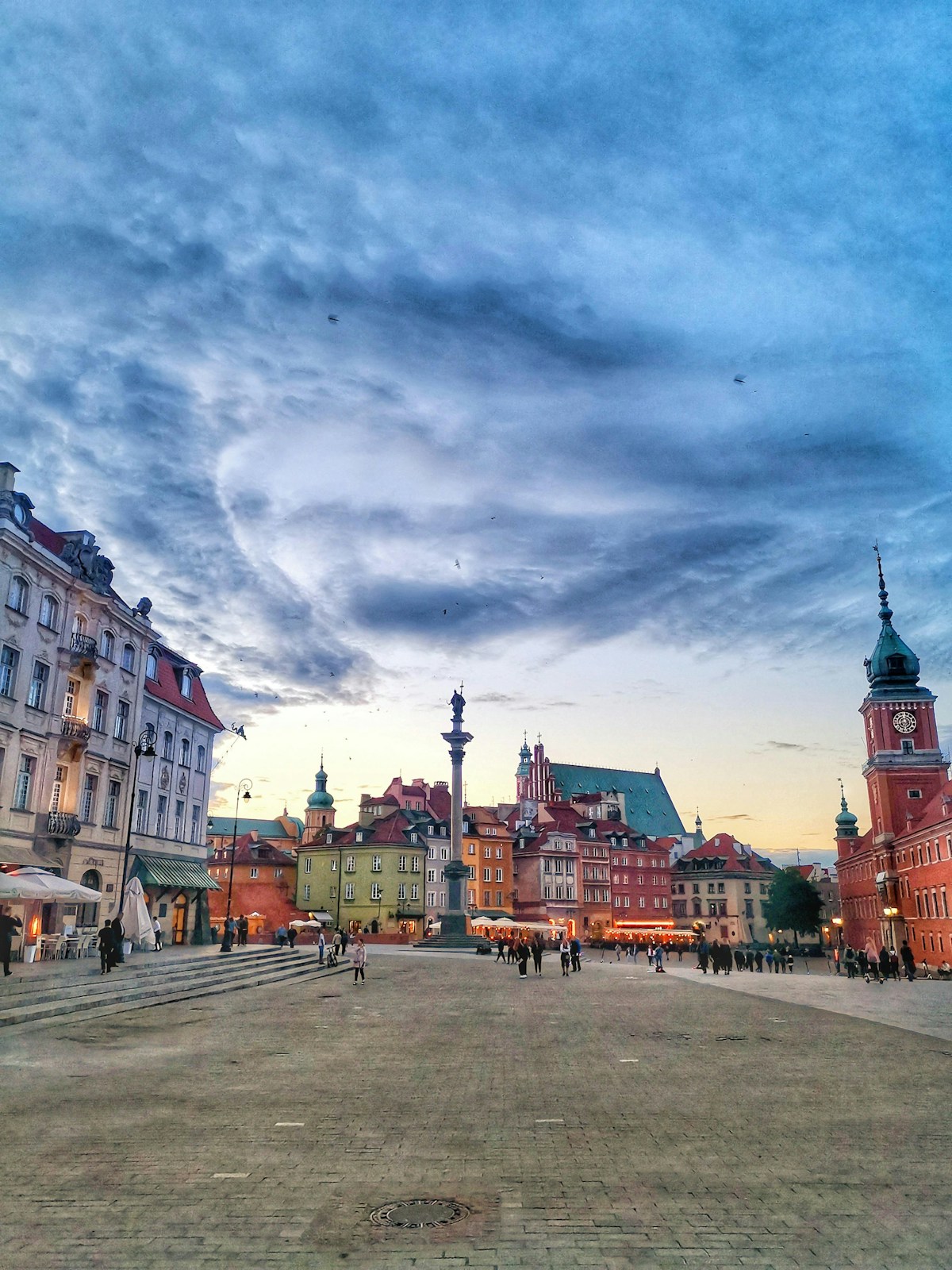
Spring arrives gradually in March: warming days, outdoor cafe terraces return, and prices stay well below summer levels across Poland.
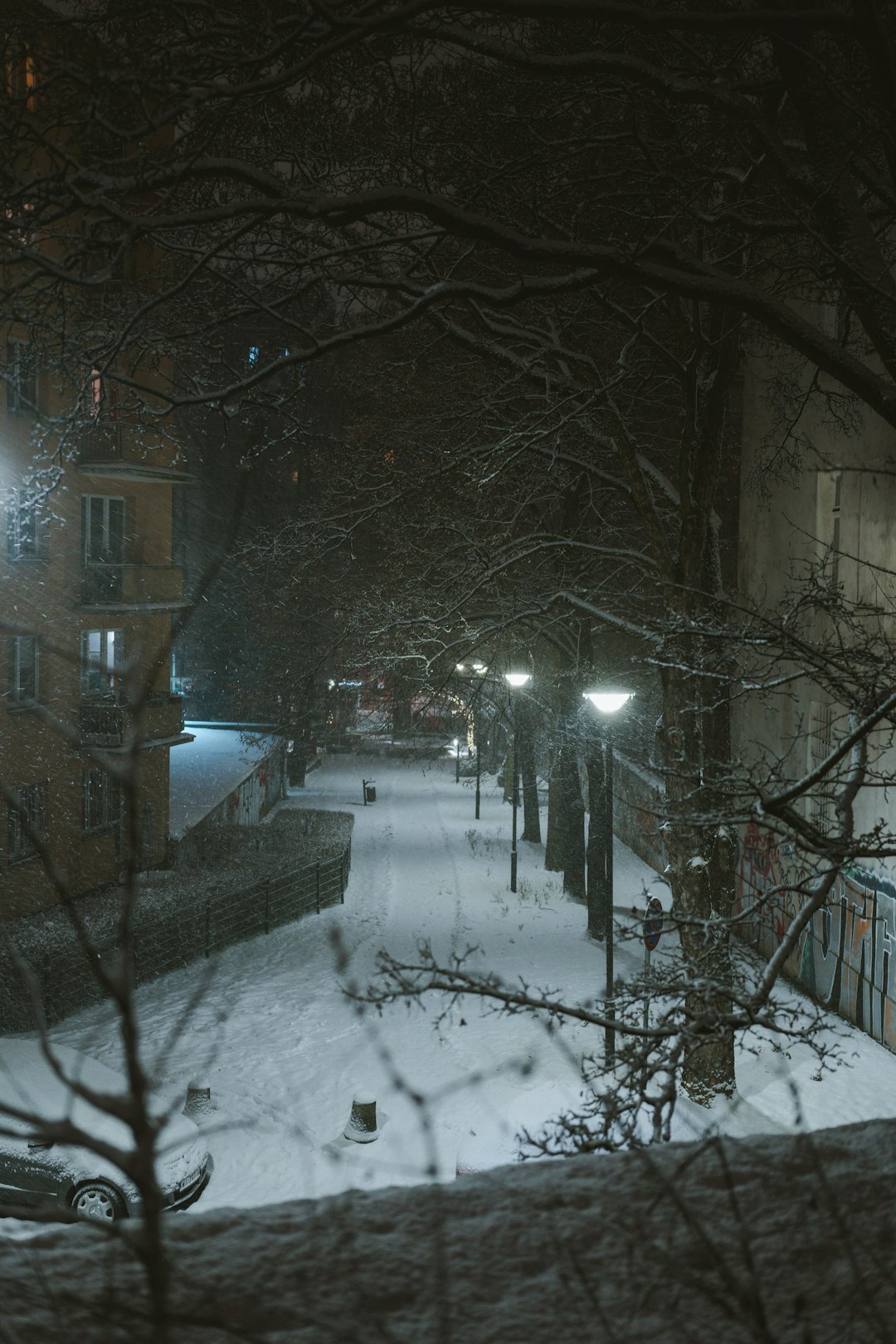
Ski season peaks in the Tatras in February: Zakopane slopes are busy, city prices are low, and Poland is uncrowded. A solid winter travel window.
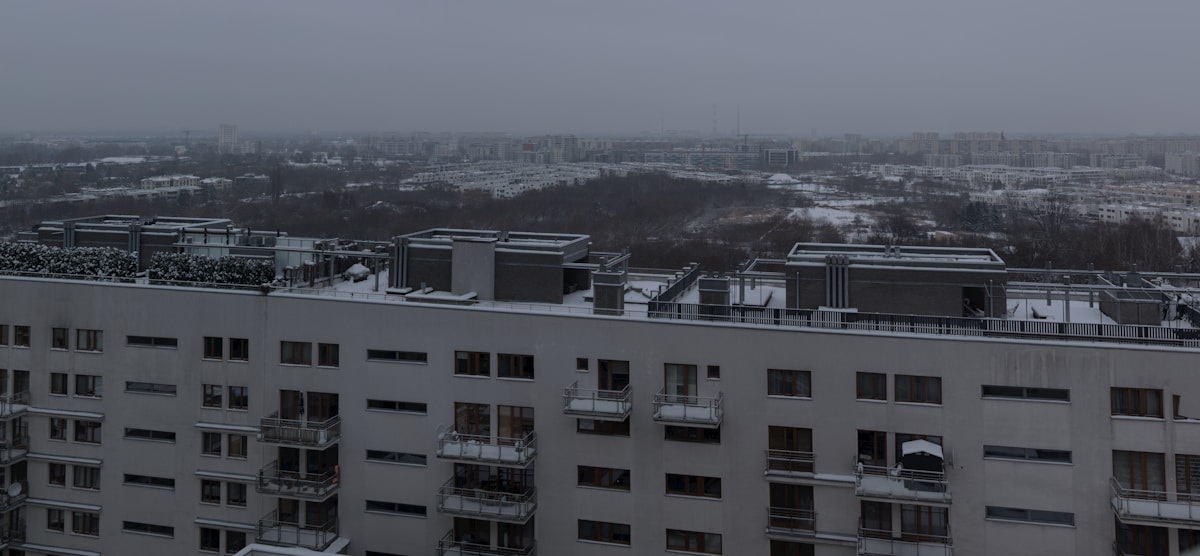
Cold, quiet Poland in January suits city breaks on low budgets: post-Christmas calm, minimal crowds, and indoor culture in Krakow and Warsaw.
Book an experience
Best price guaranteed · Instant confirmation · Free cancellation on most bookings
Ready to book your Poland experience?