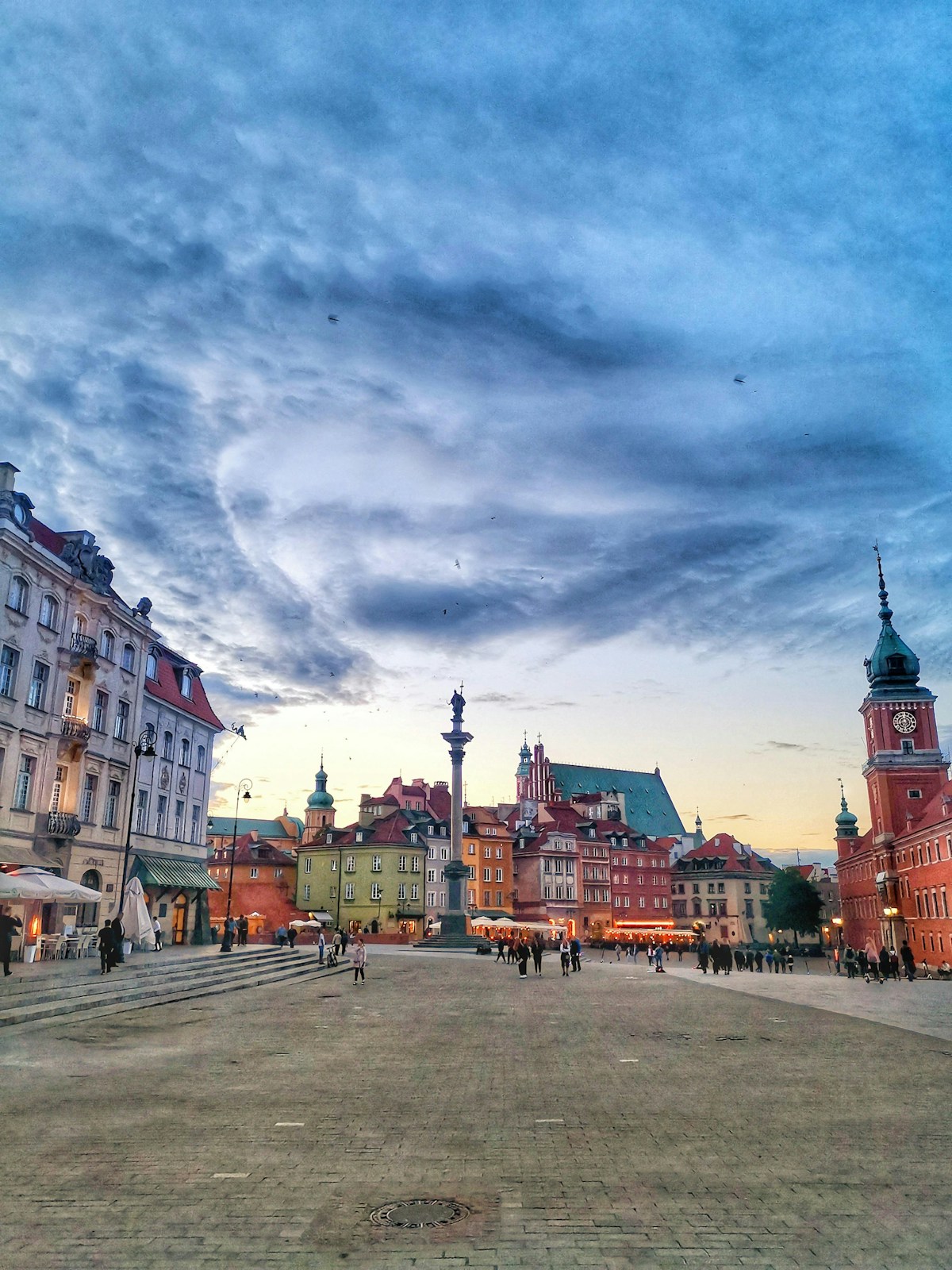
March is Poland’s first real hint of spring. The days are visibly lengthening, café owners begin dragging tables outside on warmer afternoons, and the mood in cities lifts noticeably. It’s not warm by most standards - Warsaw hits 10°C on good days - but it’s a far cry from January’s grip. Prices remain well below peak season, and the major tourist sites have yet to fill with tour groups.
Spring Thaw Begins: Variable March Temperatures Across Poland
| City | Avg High (°C) | Avg Low (°C) | Rain Days | Daylight Hours |
|---|---|---|---|---|
| Warsaw | 10°C | 1°C | 7 | ~12 hrs |
| Kraków | 10°C | 1°C | 7 | ~12 hrs |
| Gdańsk | 8°C | 2°C | 8 | ~12 hrs |
| Wrocław | 10°C | 1°C | 7 | ~12 hrs |
| Zakopane | 5°C | -2°C | 9 | ~12 hrs |
March weather is variable. A warm front can push temperatures above 15°C for several days, followed by a cold snap with snow. Layer up and keep a warm jacket accessible regardless of forecast.
Drowning Marzanna, Easter Processions, and Theatre Night in the Cities
Easter and Śmigus-Dyngus (Easter-dependent) Easter in Poland is one of the most significant holidays of the year, and when it falls in March it transforms the country. Palm Sunday sees elaborate decorated palms carried in church processions - Łódź and some villages in the Kurpie region create extraordinary examples. Easter Sunday is a family occasion centred on święconka: a basket of food blessed at church. Easter Monday is Śmigus-Dyngus, a water-throwing festival where strangers soak each other in the street. In Warsaw and Kraków, the Rynek (main market square) becomes the focus. Check the exact Easter date each year before planning around it.
Noc Teatrów (Theatre Night) Many Polish cities hold an annual Theatre Night in late March or early spring, offering free or reduced-price admission to performances, backstage tours, and events. Warsaw and Kraków typically participate. Check local city tourism board websites for exact dates.
Spring Equinox - Topienie Marzanny On the first day of spring, Polish children (and adults) observe the tradition of drowning Marzanna - a straw effigy symbolising winter - in rivers and streams. It’s a pre-Christian tradition that survives in schools and public parks. Seeing it happen in a Warsaw park is unexpectedly charming.
Kraków in Early Spring, Łódź’s Manufaktura, and Wrocław’s Botanical Garden
Kraków - March is one of the most pleasant months to explore Kraków without crowds. The Wawel Dragon legend comes alive with early spring energy; the Wawel Cathedral is accessible with a guide and the views over the Vistula from the battlements are at their most atmospheric when mist sits on the river. March also marks the start of outdoor market stalls returning to Plac Nowy in Kazimierz.
Łódź - Often overlooked in favour of Warsaw and Kraków, Łódź has invested heavily in its cultural infrastructure. The MS2 gallery at Manufaktura (a converted textile mill complex) is one of Poland’s best contemporary art spaces. March sees domestic tourism low and hotel rates well below summer. Manufaktura has a full day’s worth of restaurants, cinema, and shops in addition to the museum.
Wrocław - The combination of Wrocław’s market square, the Panorama of the Battle of Racławice, and the Cathedral Island (Ostrów Tumski) makes for two full days of sightseeing. March crowds are minimal, and the botanical garden begins its spring displays towards the end of the month.
March Hotels: Kraków Opening Its Terraces, Wrocław for the Botanical Garden Quarter
Kraków - Hotel Copernicus A Renaissance townhouse on ul. Kanonicza, one of the oldest streets in Kraków. Rooftop terrace with Wawel views. Rooms from approximately PLN 500 per night as of 2026.
Łódź - Andel’s by Vienna House A design hotel in the heart of the Manufaktura complex. Rooms from approximately PLN 280 per night as of 2026. Ideal location for exploring the complex on foot.
Wrocław - Sofitel Wrocław Old Town Steps from the main market square. Rooms from approximately PLN 420 per night as of 2026. Underground pool and spa.
Search hotels in Poland on Booking.com
Layering for Unpredictable March Weather
- Winter coat (still needed, especially mornings and evenings)
- Waterproof jacket or layer
- Mid-layer fleece or jumper
- Comfortable walking shoes - not sandals
- Umbrella or packable rain cover
- Light scarf
- Sunglasses (days are brighter now)
Planning Around Śmigus-Dyngus, Off-Season Trains, and Opening Terraces
Check the Easter date. If Easter falls in March your year, plan around Śmigus-Dyngus. It’s memorable but you will get wet if you’re near any public space. Pack clothes you don’t mind soaking.
Restaurant terraces open cautiously. By late March, many Kraków and Warsaw restaurants begin offering outdoor seating on warm afternoons - though a blanket may still be offered.
Skip the Tatras without a guide. High mountain trails are under snow until May or June at altitude. Lower forest trails in the Tatra foothills are fine with waterproof boots. Guided tours across Poland in March offer some of the year’s best value - small groups and no summer premium.
Transport is uncrowded. March trains between major cities have no booking pressure. You can often buy on the day, though advance tickets are still cheaper. Guided tours in Warsaw run in March with very small groups - an ideal window if you want unhurried access to the Rising Museum, POLIN, and the Royal Route.
Museums open extended hours for spring. Some Warsaw and Kraków museums run special spring programming and extended evening hours. Check Google Arts & Culture listings for current schedules.
March City Focus: Kraków and Wrocław in Early Spring - Before Summer Prices Return
- Warsaw City Guide - museums and indoor culture are the March focus; spring markets begin late month
- Kraków City Guide - the Old Town before the crowds, with early café terraces in good weather
- Wrocław City Guide - botanical garden and riverside walks as temperatures recover
- Best Time to Visit Poland - full seasonal guide and what to expect month by month
- What to Pack for Poland - March packing essentials for variable weather
Plan Your Trip
March timing depends on when Easter falls - if Easter lands in March, book Kraków accommodation for the Święconka basket blessing and Śmigus-Dyngus week well in advance. If Easter is in April, March is quiet and underpriced across all cities. Wrocław and Łódź are particularly good value; Manufaktura in Łódź is a worthwhile stop on the Warsaw–Kraków corridor.
Book your flights to Poland - March fares are typically low except Easter week Get travel insurance Stay connected with an eSIM Rent a car - a car opens up the Sudety mountains and Bieszczady foothills in early spring