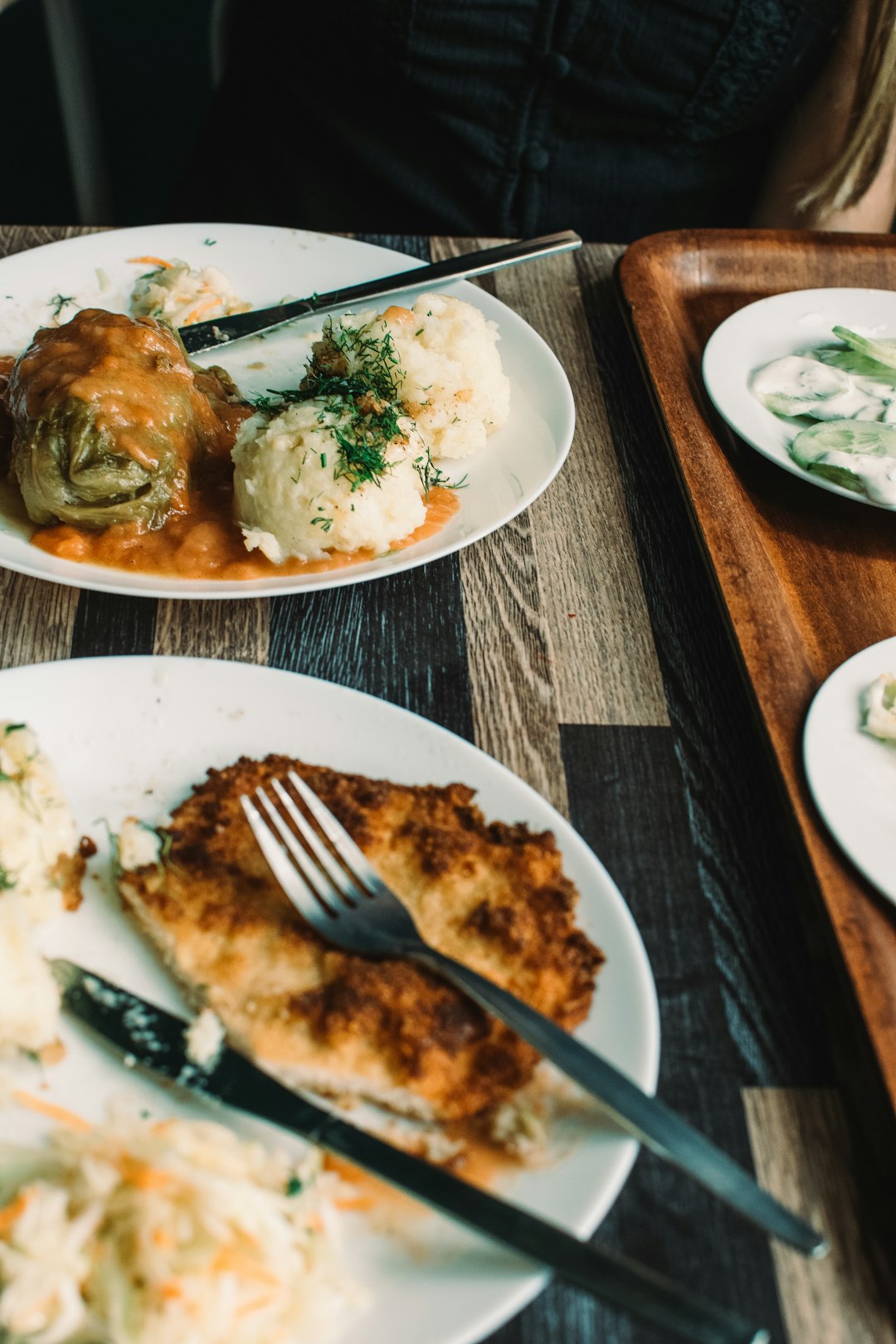
Warsaw’s food scene has transformed over the past decade. Traditional Polish cooking - hearty, seasonal, and rooted in Central European peasant and noble traditions - sits alongside a creative modern dining scene that is now genuinely competitive with other European capitals. And the milk bars survive.
Traditional Polish Cooking
Dom Polski near the Old Town is one of the most reliable places to eat traditional Polish food in the city. The dining room is warm and unhurried; the bigos, żurek in a bread bowl, and roast duck with apples are all well-executed. Mains approximately PLN 45–80 as of 2026. Reservations recommended on Friday and Saturday evenings.
Bar Mleczny Familijny on Nowy Świat is a functioning milk bar from the communist era, serving pierogi, potato pancakes, and soups at prices that feel impossibly low by Western European standards. A full meal costs approximately PLN 20–35 as of 2026. No reservations; queue at the counter, collect a tray, and find a table.
Zapiecek is a small chain specialising in pierogi with an unusually large range of fillings - from the classic potato-and-cheese (ruskie) to spinach, mushroom-and-sauerkraut, and sweet fruit versions. Plates of six run approximately PLN 25–35 as of 2026. Multiple central locations. If you want more context around what you’re eating, a Warsaw food and drink tour covers the key neighbourhoods and dishes with a local guide.
Modern Polish and Creative Dining
Kieliszki na Próżnej is the restaurant that consistently tops Warsaw lists for good reason. The short seasonal menu changes frequently; the wine list leans natural and biodynamic; the dining room on pre-war Próżna Street feels like a genuine discovery. Mains approximately PLN 55–90 as of 2026. Book ahead - it is small.
Senses holds a Michelin star and is the city’s benchmark for fine dining. Tasting menus reimagine Polish produce and tradition with technical precision. Expect to pay from approximately PLN 350 per person for the full menu as of 2026. Dress smartly; book weeks ahead in season.
Bez Glutenu on Wspólna Street has built a loyal following beyond the gluten-free community by simply cooking good Polish food without wheat. The pierogi, cheesecake, and kotlet schabowy are all worth ordering. Mains approximately PLN 40–70 as of 2026.
International Options
Warsaw has strong Vietnamese, Japanese, and Georgian restaurants concentrated in the Powiśle and Śródmieście neighbourhoods. Youmiko Vegan Sushi on Hoża Street is the city’s most-talked-about plant-based Japanese spot, with omakase sets from approximately PLN 110 as of 2026.
Bars and Drinking
Plac Zbawiciela (Saviour Square) is Warsaw’s social hub - a ring of bars and cafés around a neon cross that has become something of a city symbol. Charlotte brasserie is the best spot for wine and bread; Ministerstwo Kawy across the square is among the city’s best coffee bars.
Vistula Boulevards come alive in summer with a string of pop-up bars, food trucks, and outdoor cinema setups along the river’s western bank. It is the most relaxed evening option from May to September.
Craft beer has grown quickly in Warsaw. Cuda na Kiju in Praga and PiwPaw on Foksal are the two most-established bottle bars, each stocking well over 100 Polish and international craft beers. Both serve food.
Book a Warsaw Food and Drink Tour
Warsaw’s dining scene is divided between neighbourhoods with very different characters - and a guided tour is the quickest way to cover several of them without stumbling into tourist traps. The best food tours move between a milk bar in Śródmieście, a pierogi spot in Powiśle, and end with a craft beer or vodka tasting in Praga - giving a three-to-four-hour overview of the capital’s eating culture from Soviet-era canteens to the modern Polish restaurant scene. Book a Warsaw food tour to cover more ground than you would eating independently.
Practical Tips
- Lunch menus (obiad dnia) at sit-down restaurants typically offer a two-course meal for approximately PLN 30–45 as of 2026 - substantially cheaper than evening à la carte.
- Tipping is not obligatory; rounding up or leaving 10% is standard at sit-down restaurants.
- Most central restaurants open from noon and close kitchens around 22:00; bars stay open until 02:00–04:00 on weekends.
More in Warsaw
- Warsaw City Guide - overview, top attractions, and getting there
- Things to Do in Warsaw - attractions and activities in depth
- Where to Stay in Warsaw - hotels and hostels by neighbourhood and budget
- Warsaw Nightlife - bars, clubs, and late-night areas
- Day Trips from Warsaw - Łódź, Toruń, Kazimierz Dolny, and more
- Best Restaurants in Warsaw - full curated guide with prices across all budgets
- Vegan Restaurants in Warsaw - Krowarzywa, Vega Bar, and the city’s plant-based scene
- Traditional Polish Food Guide - what to order and how much it costs across Poland
- Warsaw WWII Tours - guided walks that bring the city’s wartime food history alive