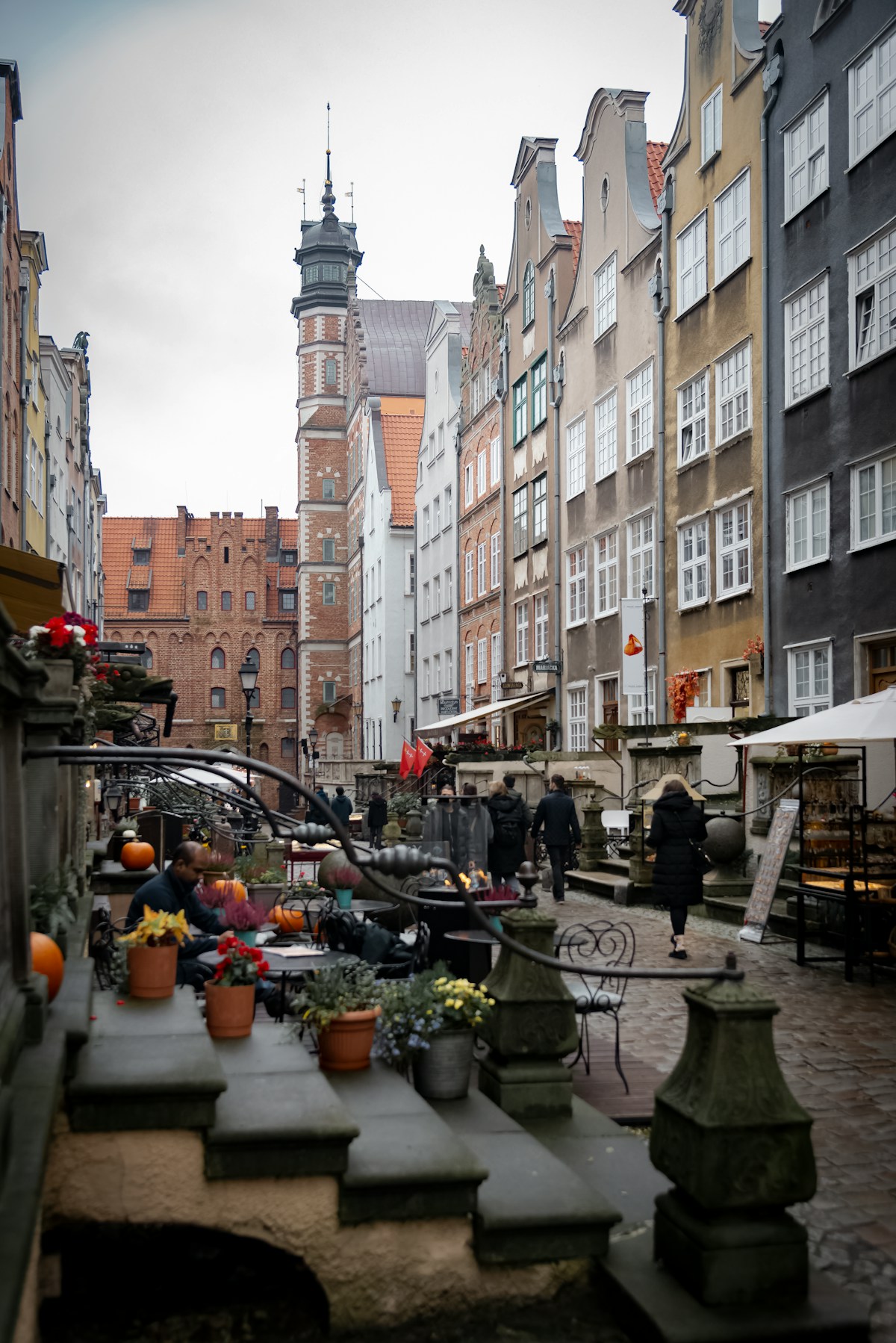
Eating well in Zamość is easy, inexpensive, and unhurried - qualities that make the city one of the more pleasant places to sit down over a meal anywhere in eastern Poland. The restaurant scene is compact: almost everything worth visiting sits on or within a few minutes’ walk of the Great Market Square, and the prices reflect a city that caters to residents as much as tourists. What follows is a practical guide to where to eat, what to order, and how to navigate the Old Town’s café and restaurant scene.
The Great Market Square: Where Most People End Up
The arcaded townhouses surrounding Rynek Wielki shelter several restaurants and cafés at ground level - a legacy of the original commercial design of the city, where the arcades were intended for merchants and traders. Today the mix is relaxed restaurants, ice cream shops, and coffee houses, all with outdoor seating in warmer months.
Restauracja Magnat (ul. Rynek Wielki 2) is the most dependable option on the square. The menu centres on traditional Polish and regional cooking - bigos prepared with dried forest mushrooms, pierogi ruskie (potato and cheese pierogi with fried onion), żurek served in a bread bowl, and a rotating set of meat mains including roast duck and pork cutlet. Mains approximately PLN 35–55 as of 2026. The interior is comfortable without being pretentious, the service is prompt, and the outdoor seats under the arcades are among the best in the city for watching the square.
Kawiarnia Muzealna (inside the Town Hall building, ul. Rynek Wielki) is the café attached to the Regional Museum. It serves good coffee, tea, and pastries in a historically atmospheric setting. Prices are slightly higher than elsewhere (coffee approximately PLN 16–22), but the location justifies it for a mid-sightseeing break. Closes when the museum closes - typically 17:00.
Pierogi and Budget Eating
For pierogi specifically, Bar Centralny (ul. Staszica 25) is a classic Polish bar mleczny (milk bar) - a subsidised, no-frills cafeteria with very low prices and authentic regional food. Expect formica tables, fluorescent lighting, and a short handwritten menu. A portion of ten boiled pierogi ruskie costs approximately PLN 20–24 as of 2026. Worth noting: bar mleczny hours are typically 08:00–17:00, Monday to Friday, with reduced hours on weekends. This is daytime eating only.
Pierogarnia Zamojska (ul. Ormiańska 6) specialises in pierogi and serves a wider range than most restaurants - the menu includes standard ruskie, meat-filled, mushroom-and-sauerkraut, sweet fruit (seasonal), and fried varieties. A plate of six to eight pierogi costs approximately PLN 28–38 depending on filling as of 2026. The location on ul. Ormiańska in the Armenian Quarter adds to the atmosphere - outdoor tables face the old Armenian merchant houses.
The Armenian Quarter and Jewish Quarter Area
Ul. Ormiańska and the surrounding streets in the Armenian Quarter have a small cluster of cafés and restaurants that tend to be slightly less tourist-facing than those on the market square, without being local to the point of being unwelcoming.
Kawiarnia Ormańska (ul. Ormiańska 22) is a café that leans into the neighbourhood’s heritage, with good coffee, cakes, and a small selection of hot food including soups and toasted sandwiches. Cakes approximately PLN 10–16, coffee approximately PLN 12–18 as of 2026. The interior has original brick details and wooden floors - one of the more characterful café spaces in the city.
The area around the former Jewish Quarter (centred on ul. Pereca near the Old Synagogue) is predominantly residential now, but a handful of small cafés and a bakery operate here. Piekarnia na Pereca (ul. Pereca 14) bakes traditional Polish bread and pastries - rye bread, challah-style breads, and sweet rolls - and sells them through a small shopfront. Bread from approximately PLN 6, pastries PLN 4–8 as of 2026. Worth timing a morning visit around.
Regional Specialities to Order
Beyond standard Polish staples, a few dishes appear in Zamość that are worth seeking out:
Chłodnik litewski - a cold beetroot and cucumber soup with buttermilk, served chilled in summer. Standard on most restaurant menus from June to August, typically PLN 16–20 a bowl.
Krupnik - a thick soup made with pearl barley, dried mushrooms, and root vegetables. More warming and substantial than the restaurant menus might suggest. Zamość restaurants serve it year-round; it is particularly good on cold days.
Golonka - slow-roasted pork knuckle with horseradish and mustard, typically ordered by the single or shared portion. PLN 45–65 at most restaurants as of 2026. A genuinely filling main course, usually served with boiled potatoes and pickled beetroot.
Drinking and Cafés
For coffee and daytime drinks, the cafés on the market square (including those inside the arcade of the main townhouses) are the most central. Kawiarnia Zamojska (ul. Rynek Wielki 8) is the most popular for evening drinks - it transitions from a daytime café to a bar from around 18:00, with a selection of Polish craft beers (approximately PLN 14–20 per 500ml) and simple cocktails (PLN 22–30) as of 2026.
For craft beer specifically, Browar Zamojski products appear in most bars in the city. The local brewery produces several styles including a regional porter and a wheat beer - worth trying as an alternative to the national brands.
Practical Notes
Zamość has no delivery apps or tourist-facing food halls of the Warsaw or Kraków variety. Eating here means sitting in a restaurant and waiting - a slower rhythm that most visitors find agreeable after the pace of larger cities. Reservations are generally not needed outside of weekends in high summer, but calling ahead for groups of six or more is sensible.
Most restaurants accept card payments; the bar mleczny and small bakeries may be cash-only. There is a Żabka convenience store on ul. Grodzka for basic supplies, and a larger supermarket on the edge of the Old Town.
More in Zamość
- Things to Do in Zamość - Old Town, fortifications, synagogue and museums
- Zamość City Guide - overview, hotels, getting there, and transport
- Things to Do in Lublin - regional capital 1.5 hours by bus
- Polish Food Guide - a deeper look at regional Polish cuisine
- Getting Around Poland - buses and rail for eastern Poland
- Tours of Eastern Poland - guided options that include Zamość and Lublin