Zamość: Poland's UNESCO Renaissance City - The Padua
Zamość travel guide: UNESCO Renaissance old town, Armenian heritage, synagogue, fortifications. Getting there from Warsaw and Lublin, with hotels.
Guides for Zamość
Zamość was built as a single project in the 1580s by Polish Chancellor Jan Zamoyski, who hired the Padua-trained architect Bernardo Morando to design a complete Renaissance city from scratch on empty steppe. The result - market square, palace, cathedral, fortifications, and residential townhouses - was executed over the following decades and has survived largely intact to the present day. It is one of the few examples in Central Europe of a Renaissance ideal city that was actually built and used, rather than merely drawn. Guided tours of Zamość and eastern Poland give this layered history - Renaissance urbanism, Jewish heritage, wartime occupation - the depth it deserves.
Top Things to See and Do
Zamość Old Town (Starówka) The entire Old Town is a UNESCO World Heritage Site and free to walk. The logical starting point is the Great Market Square (Rynek Wielki), a large arcaded plaza with the Town Hall at its centre and Italian-style loggia townhouses on three sides. The facades are painted in rich ochres, greens, and reds and are among the most photographed Renaissance streetscapes in Poland. The square functions as a working town centre - cafes, restaurants, and shops occupy the arcaded ground floors.
Town Hall (Ratusz) The Town Hall on the central square dates from the late 16th century and was reconstructed in its current form in the 18th century. The distinctive double staircase and clock tower are the architectural centrepiece of the square. The tower is open to visitors; entry approximately PLN 10 as of 2026. The views from the top across the rooflines of the Old Town and the surrounding fortifications are the best accessible vantage point in the city.
Zamość Fortifications The city is surrounded by well-preserved 17th-century bastioned fortifications - a star-fort system designed by Morando and later reinforced by Vauban-trained engineers. The walls and bastions are free to walk. The Lublin Bastion on the northern edge and the Water Gate are the most impressive sections. The fortification circuit takes approximately 45–60 minutes to walk at a comfortable pace.
Regional Museum (Muzeum Zamojskie) Housed in two locations within the Old Town - the Town Hall and the Arsenal - the Regional Museum covers the history of the Zamość region and the city’s founding. Entry approximately PLN 12 as of 2026; closed Mondays. The Arsenal building itself (a 16th-century fortified storehouse) is architecturally interesting independent of the exhibition.
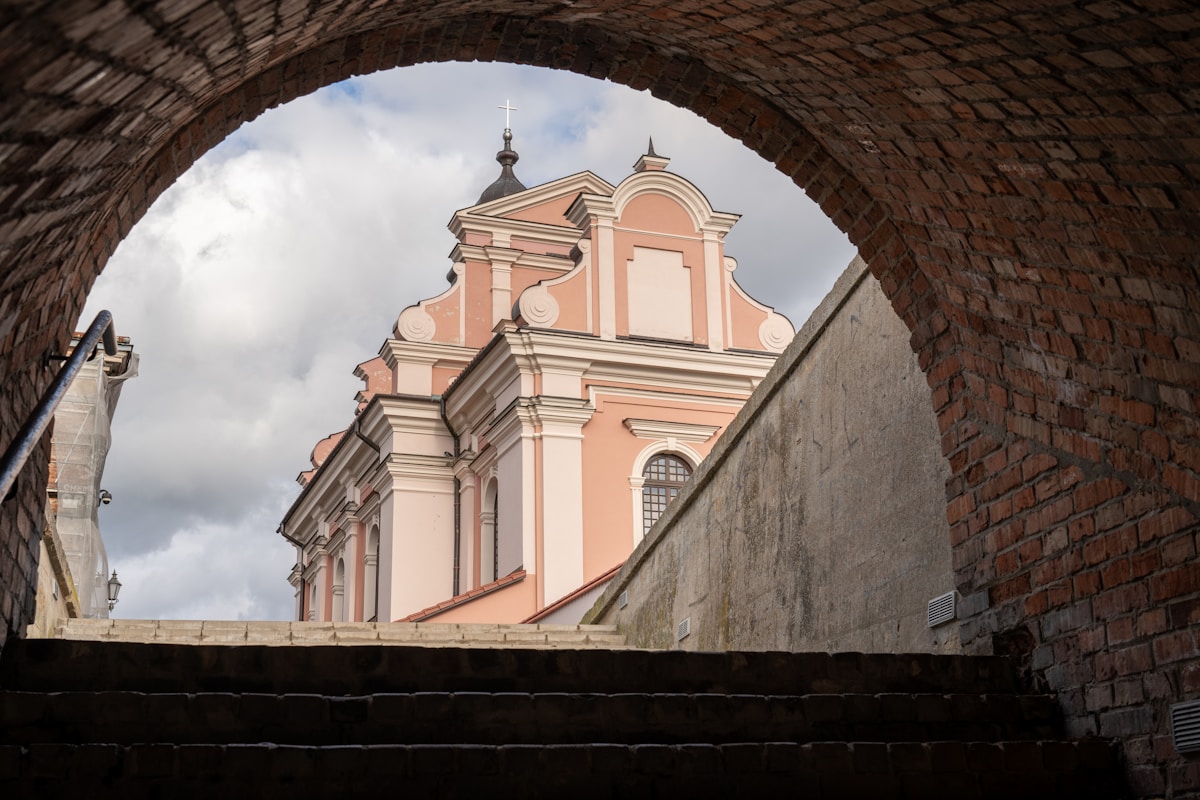
Zamość Cathedral The Cathedral of the Resurrection and St Thomas on ul. Kolegiacka dates from 1587–1598 and is one of the most significant Renaissance churches in Poland. Entry is free. The distinctive twin-tower facade and the interior - with its Mannerist decoration and Zamoyski family tombs - are worth a visit even for non-architectural specialists.
Zamość Synagogue and Sephardic Heritage The city’s Jewish community was substantial from the late 16th century - Zamoyski specifically invited Sephardic Jewish merchants from Livorno and Safed to settle in his new city. The Renaissance-era synagogue on ul. Zamenhoffa has been partly restored and is open as a cultural centre. Entry is free; hours vary.
Armenian Heritage Among the merchant communities Zamoyski invited to settle his new city were Armenians, who established a substantial community from the late 16th century onwards. Armenian merchants occupied the district around ul. Ormiańska (Armenian Street) and constructed their own church - now restored and visible in the Old Town. At its peak, the Armenian community numbered several hundred families and controlled much of the eastern trade routes passing through Zamość toward the Ottoman Empire and Persia. Plaques and architectural traces of this heritage are scattered through the Old Town and the city museum covers the community’s history in its permanent exhibition. The multicultural character of Zamość - Polish, Italian, Jewish, Armenian, Greek - was intrinsic to its founder’s vision of a trading city and is central to understanding the place.
Guided Tours in Zamość
Guided walking tours of the UNESCO Old Town covering the market square, cathedral, fortifications, and the Jewish and Armenian heritage quarter are available from the tourist information office on the square and through tour operators running from Warsaw and Lublin. A guide adds real depth to the Renaissance urban plan that is impressive to walk but much richer with historical context.
Browse guided tours in eastern Poland and Zamość.
Where to Stay in Zamość
Hotel Senator - from PLN 250 per night The leading hotel in the Old Town, the Senator occupies a converted Renaissance townhouse on the market square, with rooms overlooking the arcades. From approximately PLN 250 per night as of 2026. The location is unmatched; request a square-facing room if the view is a priority.
Hotel Renesans - from PLN 220 per night A comfortable mid-range hotel within the Old Town quarter, the Renesans is a short walk from the market square and cathedral. Rooms are well maintained; breakfast is included in most rates. From approximately PLN 220 per night as of 2026.
Hostel Pod Fortą - from PLN 60 per night A small hostel outside the Old Town fortifications with basic but clean accommodation. The most affordable option in the city; dorm beds from approximately PLN 60, private rooms from approximately PLN 140 as of 2026.
Search hotels in Zamość on Booking.com
Where to Eat
Restauracja Hetman The most established restaurant on the main square, the Hetman occupies an arcaded ground-floor space in one of the Renaissance townhouses. Polish and regional eastern cooking with good sourcing. Mains approximately PLN 45–75 as of 2026.
Kofeina A café-restaurant on or near the market square popular with locals for lunch and coffee. The menu is lighter than Hetman - sandwiches, salads, soups, and daily specials. Good for a midday break between sights. Approximately PLN 25–40 for lunch as of 2026.
Pizzeria Muzealna A reliable option for a straightforward pizza or pasta meal at modest prices. Mains approximately PLN 30–50 as of 2026. A safe fallback if the sit-down restaurants are busy on summer evenings.
Getting to Zamość
From Lublin: Frequent PKS and private bus services from Lublin bus station to Zamość bus station, approximately 1.5 hours, approximately PLN 25 as of 2026.
From Warsaw: Long-distance PKS and private buses run direct from Warsaw to Zamość in approximately 4 hours. Tickets approximately PLN 40–60 as of 2026. Alternatively, train to Lublin then bus onward.
From Rzeszów: Buses run approximately 2.5–3 hours.
Getting Around Zamość
The Old Town is entirely walkable - the market square, cathedral, fortifications, and museums are all within 15 minutes’ walk of each other. The bus station is about 1.5 km from the Old Town centre; a taxi costs approximately PLN 10. City buses cover the wider urban area.
Tips for Visiting Zamość
- The Regional Museum is closed on Mondays - adjust sightseeing accordingly.
- The market square is at its most atmospheric in early evening when the cafes fill and the warm light catches the coloured facades - plan to be there around sunset if timing allows.
- Zamość receives many fewer foreign tourists than Kraków or Warsaw; English signage at attractions is improving but not as comprehensive. A translated map from the tourist office on the square is useful.
- The city’s multicultural founding - Polish, Italian, Jewish, Armenian, Greek merchants were all invited to settle - is reflected in the diversity of its Renaissance architecture and is worth reading about before arriving.
More in Zamość
- Things to Do in Zamość - Old Town, fortifications, synagogue, and the Armenian heritage trail
- Zamość vs Lublin - eastern Poland’s two best-kept secrets compared
- Lublin City Guide - the nearest large city, 1.5 hours by bus and a natural day-trip or stopover pairing
- Rzeszów City Guide - the gateway city for onward travel into the Carpathian foothills and the Bieszczady
- Bieszczady Hiking - Poland’s wildest mountain range lies further southeast, approachable from Rzeszów
- Warsaw City Guide - the capital, approximately 4 hours northwest by direct bus
- Getting Around Poland - bus and rail connections from Zamość to the rest of Poland
Frequently Asked Questions
- Why is Zamość on the UNESCO World Heritage List?
- Zamość was founded in 1580 by Jan Zamoyski, Chancellor of Poland, and designed by the Italian architect Bernardo Morando. The city was built as a complete Renaissance urban plan - market square, fortifications, residential grid, churches, and palace - and has never been significantly altered or rebuilt. It represents one of the finest examples of late 16th century Renaissance town planning in Central and Eastern Europe.
- How do you get from Lublin to Zamość?
- PKS and private buses run from Lublin bus station to Zamość bus station in approximately 1.5 hours. Tickets cost approximately PLN 25 as of 2026. Several services per day; the first departure is around 06:30. There is no direct train.
- How long do you need in Zamość?
- A thorough half-day covers the Old Town, market square, Town Hall tower, fortifications, and Regional Museum. A full day allows a more relaxed pace, lunch at a local restaurant, and a walk around the outer fortification circuit. Zamość can be done as a day trip from Lublin or as an overnight stop on a route from Lublin toward the Ukrainian border.
- Is Zamość difficult to visit independently?
- No. All the main sights are within easy walking distance of each other and well signposted. The tourist information office near the market square has an English-language walking route map. The city sees far fewer foreign tourists than Kraków or Warsaw, so queues at attractions are minimal.
Upcoming Events in Zamość
Poland Independence Day: 11 November Celebrations
Poland Independence Day, 11 November. Commemorating independence regained in 1918: main march in Warsaw, ceremonies in cities nationwide.
- Great Orchestra of Christmas Charity (WOŚP) Grand Finale 2027
WOŚP Grand Finale 2027, 12 January. Poland's largest charity fundraiser: volunteers collect donations nationwide, ending with a light heart ceremony.
Book an experience
Top experiences in Zamość
Explore the best tours and activities in Zamość - instant confirmation, free cancellation on most bookings.