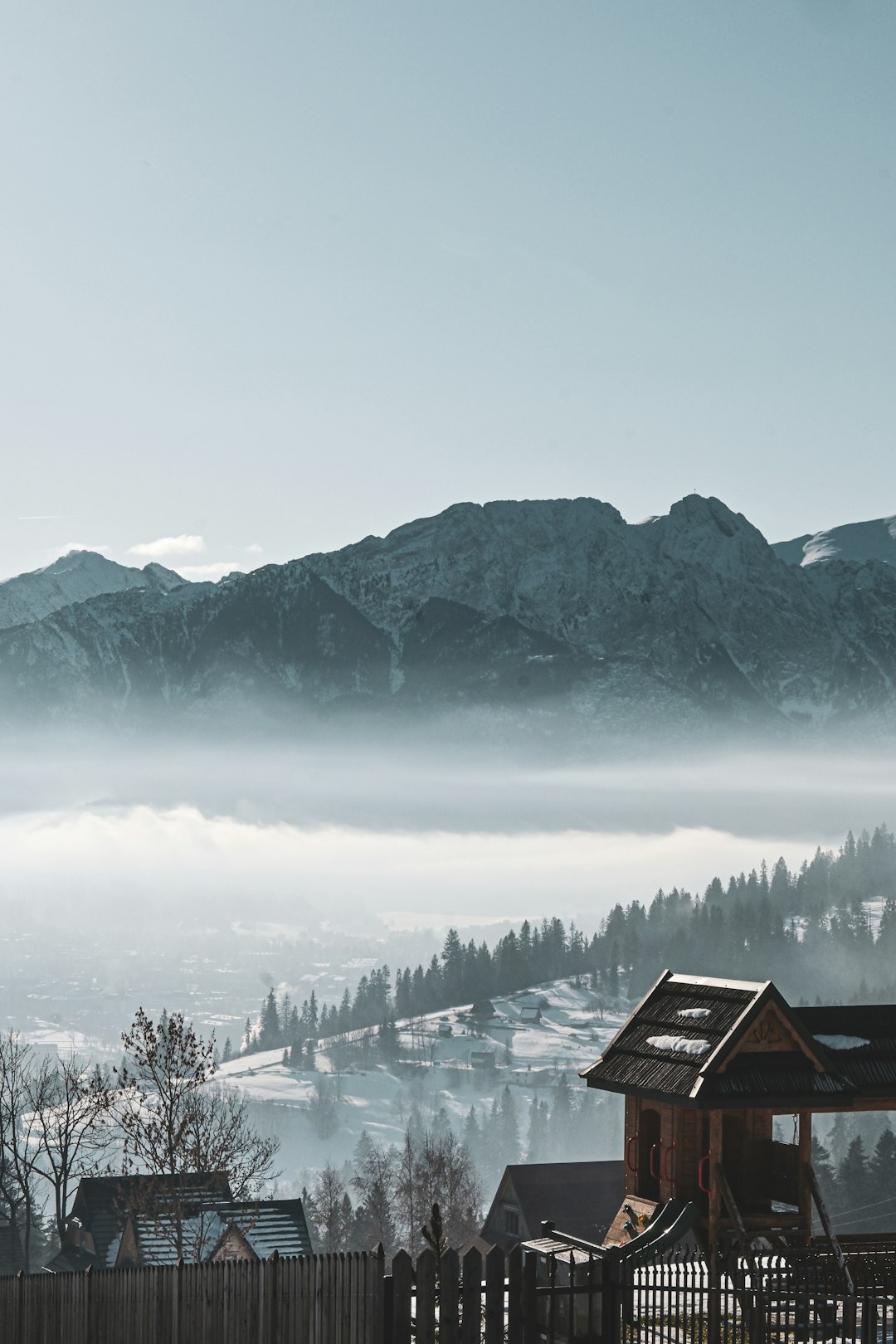
Zakopane is Poland’s mountain capital - not the highest town in the Tatras (that distinction belongs to the Slovak side of the range) but the place where the góralska (highland) culture is most accessible to visitors. The food is the most distinct regional cuisine in Poland: sheep-based, smoked, hearty, and shaped by the extreme winters that historically defined life in the Podhale.
It is also, by the standards of the wider country, relatively expensive. Zakopane’s year-round tourist flow - skiers in winter, hikers in summer - means restaurants operate at tourist margins. Knowing which places to choose makes a significant difference.
Highland Cuisine: What to Eat
Before the restaurants, the food itself deserves explanation. Oscypek is the essential Zakopane food: a smoked sheep’s milk cheese shaped into a spindle and branded with a highland pattern, produced exclusively in the Podhale region and holding EU Protected Designation of Origin status. It has a slightly rubbery texture when cold and softens dramatically when grilled - grilled oscypek with cranberry jam (żurawinowy dżem) is the default Krupówki street snack, sold at stands for approximately PLN 10–15 as of 2026.
Żurek podhalański is the regional version of Poland’s sour rye soup - made with whey rather than just water as in the lowland version, giving it a thicker, slightly milky quality. Served with hard-boiled egg, white sausage, and potato. Expect PLN 22–35 at a proper highland restaurant.
Placki po zbójnicku (robber-style potato pancakes) are crispy potato pancakes served under a ladle of beef or pork goulash with soured cream. The dish takes its name from the zbójnicy - the Tatra outlaw romantics who figure in Podhale folklore. A portion runs PLN 42–58.
Jagnięcina (lamb) features on menus far more in Zakopane than in the rest of Poland. Grilled lamb chops, lamb stew with mountain herbs, and lamb sausage appear at the better góralski restaurants. Local lamb from Podhale farms is typically available May–October.
Best Restaurants on Krupówki
Karczma u Wnuka (Grandmother’s Inn) on Krupówki is one of the more established traditional restaurants on the main promenade. The two-floor timber interior with regional embroidery and wooden carved details is not decorative kitsch - it matches the food, which is seriously góralski: żurek w chlebie (soup in a bread bowl, PLN 28 as of 2026), oscypek plates, lamb stew, and kapuśniak with smoked ribs (PLN 24). Mains PLN 45–80. Live folk music on weekend evenings.
Restauracja Redykołka is a short walk from the main Krupówki strip, on Zamoyskiego Street, which immediately drops the tourist premium. Redykołka (the ceremony of welcoming sheep back from mountain grazing) is the namesake, and the menu sticks to Podhale tradition: bryndza on dark bread as a starter (PLN 22), żurek podhalański, golonka (pork knuckle with mustard and horseradish, PLN 68), and the best version of placki po zbójnicku we’ve found in the town. Portions are large; mains PLN 48–85.
Off Krupówki: Better Value, Less Noise
Góralskie Jadło (Highland Fare) on Piłsudskiego - one street parallel to Krupówki - serves its entire menu in a quieter room with roughly 20% lower prices than the promenade equivalents. The jagnięcina po góralsku (highland lamb with herbs and potatoes, approximately PLN 58 as of 2026) is the dish to order. Unpretentious service, cash preferred.
Zagroda Góralska is a timber homestead about 10 minutes on foot from the town centre, operating as a restaurant in an authentic historical farm building. It is more difficult to find but worth the walk: oscypek is sold direct from their small farm, bryndza comes from their own sheep, and the cooking is made-from-scratch rather than assembled. Mains PLN 50–78. Open for lunch daily and dinner Thursday–Sunday; reservations required for groups.
Mountain Huts: Eating on the Trail
The PTTK (Polish Tourist Organisation) operates a network of mountain huts (schroniska) in the Tatra National Park above Zakopane. These are not luxury dining experiences, but they deserve mention: walking up to Schronisko Murowaniec (1,500m, approximately 2 hours from the Kuźnice cable car base) and eating a bowl of żurek or bigos while looking at the valley below is one of the more genuinely satisfying meals available in the area. Hut food runs PLN 18–35 for a hot dish. Oscypek sold at hut shops is typically from nearby farms and of excellent quality.
Hala Kondratowa hut at 1,333m is an easier walk (under 90 minutes from town) and has the best lamb soup in the park’s hut network. Worth building a half-day around.
Food Tours and Highland Culinary Experiences
A guided food walk along Krupówki and into the side streets is one of the most efficient ways to cover the range of highland eating in a single afternoon. Book a Zakopane food and culture tour that combines market tasting, a visit to an oscypek producer above the town, and lunch at a working góralski farm - these tours typically run 4–5 hours and include transport from Krakow (from approximately PLN 200–280 per person as of 2026). If you’re based in Krakow, the Zakopane day trip with a food component is consistently one of the highest-rated excursions from the city.
For a self-guided version, the morning market on pl. Niepodległości (most active Saturday and Sunday from 07:00–12:00) has the best concentration of direct-from-farm producers: bryndza in sealed pots, raw oscypek at earlier prices than the Krupówki stalls (approximately PLN 18–28 per cheese), smoked meats, and seasonal mountain herbs. Bring cash.
Bacówka nad Capkami is a working sheep farm and small restaurant above Zakopane in the Kościelisko Valley, around 7 km from the town centre. The farm produces its own oscypek and bryndza; the restaurant sells both alongside a short menu of farm-cooked góralski food - jagnięcina (lamb) from their own flock, żurek with homemade whey, and bryndza dumplings. It is not easy to find by public transport (take a taxi or rent a bike), but the quality of the cheese and the setting justify the effort. Open daily June–October; weekends only November–May. No reservations; turn up early.
Serowarnia Sabała on Krupówki runs occasional cheese-making demonstrations in summer where visitors can watch (and taste) the oscypek production process - the brine-curing, the smoking, the pattern branding. Worth checking their website or calling ahead in July and August when sessions are most frequent.
Budget Eating on Krupówki
Street stalls along the lower section of Krupówki sell:
- Grilled oscypek with jam: PLN 10–15
- Oscypek plain: PLN 20–35 per cheese
- Grilled sausage (kielbasa): PLN 12–18
- Obwarzanki (ring-shaped bread rolls): PLN 5–8
For a sit-down budget meal, Bar Mleczny Zakopane on Kościuszki serves basic soups, pierogi, and daily hot plates for PLN 18–35 - substantially cheaper than any sit-down restaurant on Krupówki. Canteen style, Polish-only menu, cash only.
Practical Notes
Zakopane pricing is noticeably higher than the Polish average because of its tourist-resort status. A mid-range dinner with drinks at a góralski restaurant runs PLN 90–150 per person as of 2026. The best value eating is at places one or two streets off Krupówki, in mountain huts (for lunch on hiking days), and at street stalls for snacks.
In winter (December–March), restaurants fill quickly after ski runs close around 16:00–17:00 - book for dinner by 15:00 or arrive before 18:00 to avoid waits. In summer, the early morning before hiking is the best time for the Krupówki market and fresh bryndza from farm stalls.
Plan Your Trip to Zakopane
- Travel insurance for Poland - medical, cancellation, and trip interruption cover; includes winter sports coverage options; get a quote before departure
- Poland eSIM - data coverage from arrival; activate before you fly
- Book a Zakopane food and culture tour - oscypek producers, góralski cooking, and highland market tastings above the town
- Find hotels in Zakopane - accommodation across all budgets in Zakopane