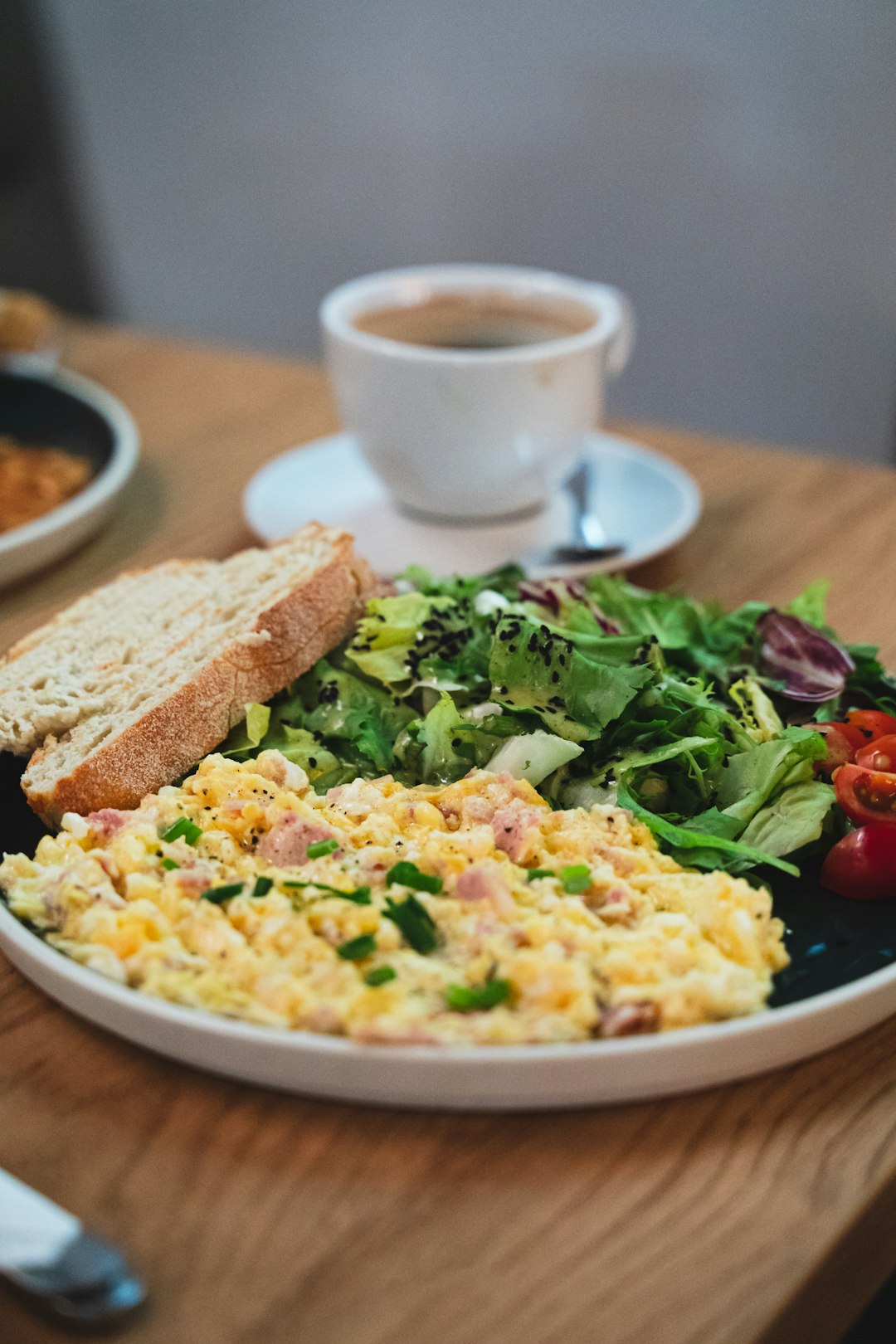
Warsaw’s dining scene has changed faster than any other Polish city. A decade ago, the capital was defined by state-era milk bars and tourist-trap pierogi shops near the Old Town. Today, those milk bars still exist and remain some of the best-value eating in Europe, but alongside them sit modern Polish restaurants using hyperlocal ingredients, natural wine bars, and some of the strongest ramen and shawarma scenes in Central Europe. This guide cuts through the noise and tells you exactly where to eat, how much to spend, and what to order.
What Polish Food Actually Tastes Like
Polish cuisine is built on fermentation, curing, and preservation - techniques developed out of necessity in a country with long winters. The flavours are earthy, savoury, and rich rather than spiced or sweet.
Żurek is a sour rye soup fermented for days before serving. The sourness is assertive without being aggressive. Warsaw versions are served in a hollowed bread bowl with half a hard-boiled egg, sliced white kielbasa, and sometimes fried bacon. It is filling enough to be a full meal.
Pierogi are the most recognisable Polish food internationally but are often misrepresented outside Poland. The best versions have thin pasta-like dough with a slight chew. The classic Warsaw filling is ruskie - potato, farmer’s cheese, and fried onion. Meat-filled pierogi (with braised pork or duck) are common in winter.
Bigos is a slow-cooked hunter’s stew of sauerkraut, fresh cabbage, and mixed cured meats - traditionally made with whatever was available and improved each time it was reheated. A well-made bigos takes two to three days to prepare properly.
Gołąbki are cabbage rolls stuffed with pork, rice, and herbs, cooked in a light tomato sauce. Polish-style rather than the sweeter Eastern European versions.
Budget Eating: Milk Bars (Bar Mleczny)
Milk bars are Soviet-era subsidised canteens that survived communism and now operate as beloved, cash-only institutions. Expect laminated menus on the wall, trays, and shared tables. A full meal - soup, main, compote drink - costs 20–35 PLN (€4.70–8).
Bar Mleczny Prasowy - Marszałkowska 10/16, Śródmieście. One of Warsaw’s oldest and most authentic milk bars, running since 1954. The menu rotates daily but żurek, bigos, and gołąbki are near-permanent fixtures. Expect a queue at lunch. A full meal with soup runs around 22–28 PLN (€5–6.50). Open Monday–Friday 7:00–20:00, Saturday–Sunday 9:00–17:00.
Bar Studio - Plac Defilad 1, inside the Palace of Culture. Probably the most central milk bar in Warsaw, convenient if you are near the main train station. The quality is solid and prices are consistent: soup 8 PLN, main course 14–18 PLN (€3–4). Opens early - useful for a substantial breakfast before a day of sightseeing.
Bar Mleczny Pod Barbakanem - Mostowa 27/29, Old Town. The most tourist-accessible milk bar, located near Barbican. Prices are marginally higher than the others (mains 18–24 PLN / €4–5.50) but the food is genuine and the location unbeatable for those based near the Old Town.
Mid-Range: Polish Classics Done Properly
This tier covers sit-down restaurants where service is attentive, portions are generous, and the cooking treats Polish traditions with respect rather than merely performing them for tourists. Expect to spend 70–150 PLN per person (€16–35) including a drink.
Pierogarnia na Bednarskiej - Bednarska 28/30, Powiśle. Specialises exclusively in pierogi and does them well. The menu lists around 20 fillings - ruskie (classic potato-cheese), kasza gryczana (buckwheat with mushroom and cheese), kaczka (duck confit), and seasonal specials. Half portions of 6 run 18–24 PLN (€4–5.50); full portions of 12 are 32–42 PLN (€7.50–10). Queue expected Friday and Saturday evenings. No reservations.
Zoni - Wilcza 73, Śródmieście. Modern Polish with clear seasonal thinking. The menu changes every few weeks but consistently includes at least one żurek preparation, a house-pickled vegetable board, and a rotating take on duck or pork. Mains 45–75 PLN (€10–17.50). Reservations recommended for weekend dinner.
Stary Dom - Nowogrodzka 4, Śródmieście. Traditional Polish cooking without the gimmicks - bigos, roast pork knuckle, pike-perch in dill butter. This is where Warsaw locals take family visitors who want “real Polish food.” Mains 40–80 PLN (€9–19). Open daily 12:00–22:00.
Zapiecek - multiple locations including Świętokrzyska 14 (city centre) and Stare Miasto 23 (Old Town). Reliable pierogi chain with higher throughput and consistency than smaller spots. Good for groups or when you need a fast sit-down meal. Mains 28–55 PLN (€6.50–13).
Upscale: Modern Polish and Chef Restaurants
Warsaw has developed a genuine fine dining scene. These restaurants are not performing Polish food for show - they are running serious kitchens that happen to use Polish ingredients and traditions as a starting point.
Atelier Amaro - Agrykola 1, Ujazdów. Poland’s first Michelin-starred restaurant, chef Wojciech Modest Amaro. The tasting menu draws on foraged and hyperlocal Polish ingredients - herbs, fungi, game, freshwater fish - and changes with the seasons. Tasting menus from 320 PLN (€75) per person without wine. Reservation essential, usually weeks in advance for Friday and Saturday.
Senses Restaurant - Bielańska 12, Old Town. Two Michelin stars as of 2025. Chef Andrea Camastra’s menu is European fine dining using Polish raw materials. The 7-course tasting menu runs approximately 395 PLN (€93) per person. The wine pairing adds 270 PLN (€63). Book directly through their website - third-party booking systems are often not up to date.
Nolita - Wilcza 46, Śródmieście. Creative European cooking in a relaxed neighbourhood setting. Not traditional Polish but worth knowing - mains 60–110 PLN (€14–26). Popular with Warsaw’s creative and media industries. Good natural wine list.
What to Drink
Vodka in Poland is consumed neat, cold, and with food - not as a shot to be slammed. Order it alongside a meal rather than as a pre-dinner drink. Żubrówka (bison grass) is the most popular with international visitors. Wyborowa is the clean, neutral standard. For something local, Pan Tadeusz from a Warsaw bar is produced in small batches.
Craft beer has grown significantly since 2015. Look for Browar Stu Mostów from Wrocław (widely available in Warsaw) and Ale Browar which supplies many Warsaw bars.
Polish mead (miód pitny) is worth trying at least once. It is historically significant and genuinely interesting - sweeter than beer but lower alcohol than wine, served slightly chilled.
Neighbourhoods for Food
Powiśle (between the centre and the Vistula riverbank) has the highest concentration of independent restaurants, wine bars, and cafés in Warsaw. Walk Dobra or Kruczkowskiego street for the best selection.
Praga (across the river, east bank) is rougher around the edges but has the most authentic neighbourhood restaurants, fewer tourists, and lower prices. The Soho Factory complex on Minska street has several good spots.
Śródmieście (city centre) has the widest range but also the most tourist-facing places - research before committing to anything near Nowy Świat or the Royal Route.
Take a Guided Food Tour of Warsaw
Warsaw’s food scene spans enough distance and variety that a guided tour is a practical way to cover several neighbourhoods in a single afternoon. The best walking tours combine a milk bar stop in Śródmieście with a pierogi specialist in Powiśle and finish with craft beer or vodka in Praga - covering both the Soviet-era canteen tradition and the modern Polish cooking scene in three to four hours. A guide also provides context that menus cannot: the history of bar mleczny culture, why Warsaw’s fine dining scene developed so differently from Kraków’s, and which spots locals actually use versus which ones coast on location. Book a Warsaw food tour to get that overview from the start of your visit.
Plan Your Stay
Find hotels in Warsaw - search accommodation across all budgets in Warsaw.