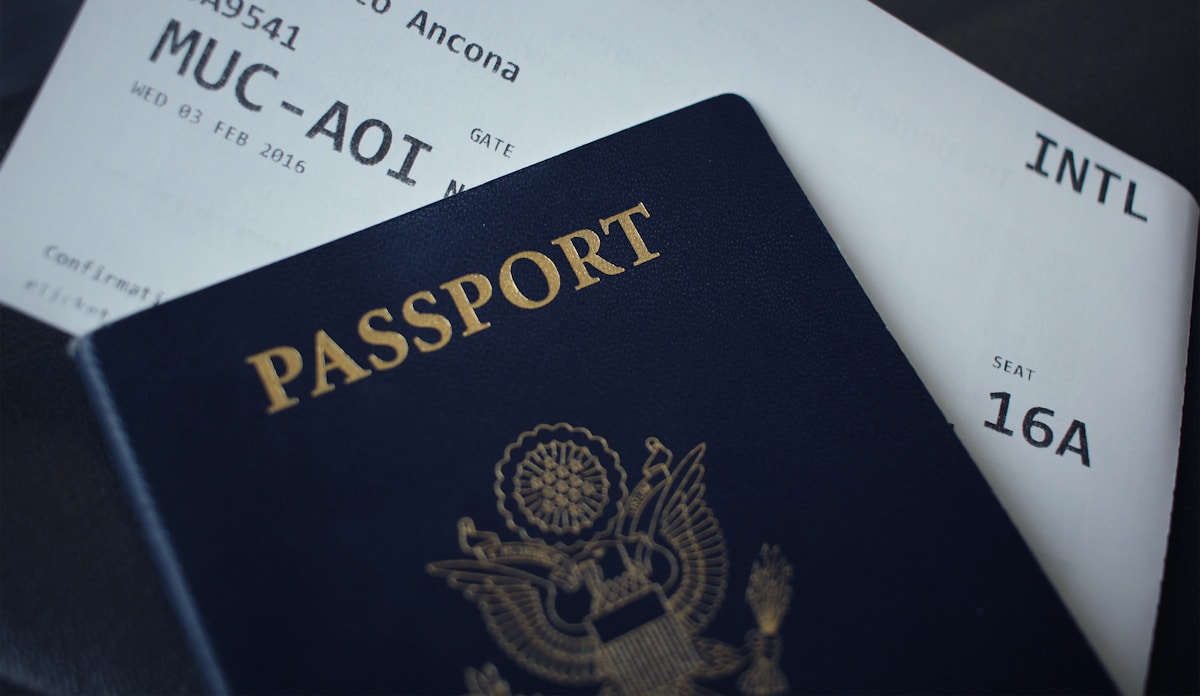
Poland has been a full member of the Schengen Area since December 2007. This means Poland shares its external border controls with 26 other European countries and does not maintain internal border checks within the Schengen zone. Understanding whether you need a visa for Poland is primarily a question of understanding Schengen rules - not Poland-specific regulations.
Before You Travel
- Travel insurance: EKTA - covers medical emergencies, trip cancellation, and travel delays. Schengen visa applicants must have proof of at least €30,000 in medical cover.
- Visa status: Check whether your nationality requires a Schengen visa or qualifies for visa-free entry under the 90/180-day rule (detailed below).
- Passport validity: Your passport must be valid for at least 3 months beyond your planned departure date from the Schengen Area.
- ETIAS (when active): Once the European Travel Information and Authorisation System launches, non-EU visa-free travellers will need online pre-authorisation before travel.
EU and EEA Citizens
Citizens of EU member states, Norway, Iceland, Liechtenstein, and Switzerland enter Poland without visa requirements and without any time limit on their stay. Freedom of movement applies - you can live, work, and study in Poland without applying for anything in advance.
Carry a valid national identity card or passport. Polish border officers may check identity documents, though in practice internal Schengen borders are not routinely checked for EU citizens.
Visa-Free Countries (90/180 Rule)
Citizens of many non-EU countries can enter Poland - and the entire Schengen Area - without a visa for short stays. The key condition: no more than 90 days in any 180-day rolling period.
The 90-day count applies across the entire Schengen Area. If you spend 45 days in Germany and then travel to Poland, you have 45 days remaining in your 90-day allowance - not a fresh 90 days.
Countries whose citizens can enter Schengen visa-free (as of 2026) include:
- Americas: United States, Canada, Mexico, Brazil, Argentina, Chile, Colombia, Costa Rica, Panama, and most Caribbean nations
- Asia-Pacific: Japan, South Korea, Australia, New Zealand, Singapore, Taiwan, Hong Kong (BN(O) passport holders)
- Europe (non-EU/Schengen): United Kingdom, Albania, Bosnia and Herzegovina, Georgia, Kosovo, Moldova, North Macedonia, Serbia, Ukraine
- Other: Israel, UAE, Qatar, Kuwait, Bahrain
Entry requirements for visa-free travellers:
- Passport valid for at least 3 months beyond planned departure date from Schengen
- Proof of onward travel (return ticket or itinerary)
- Proof of sufficient funds - Poland border guidance suggests approximately €100 per day or €500 minimum for a visit; in practice this is rarely asked for at major airports but can be checked at land borders
- Travel or health insurance covering at least €30,000 in medical expenses is recommended, though not always checked
ETIAS: Upcoming Pre-Travel Authorisation
The European Travel Information and Authorisation System (ETIAS) will apply to all visa-free non-EU travellers when it launches. As of 2026, the launch date has been pushed back several times - check the official European Commission website for current status.
ETIAS is not a visa. It is a pre-travel authorisation similar to the US ESTA or Canada’s eTA - an online application completed before travel, valid for 3 years or until passport expiry. The fee is expected to be €7. Processing time is expected to be minutes for most applications, though some may take up to 30 days for additional checks.
Citizens of countries with visa-free access to Schengen (listed above) will need ETIAS once it launches. Citizens under 18 and over 70 are exempt from the fee.
Schengen Visa: Who Needs One
If your nationality is not on the visa-free list, you need a Schengen C visa to enter Poland for tourism, family visits, or business trips up to 90 days.
Common nationalities requiring a Schengen visa for Poland:
- India, China, Pakistan, Bangladesh, Sri Lanka, Nepal
- Most African countries (exceptions include Mauritius, South Africa for short stays)
- Most Central Asian republics
- Iran, Iraq, Syria, Yemen, Libya
- Russia and Belarus (additional restrictions apply - see below)
Applying for a Schengen Visa
Schengen visas for Poland are issued by Polish consulates and embassies abroad. If Poland is your main or first Schengen destination, apply to the Polish consulate. If you are visiting multiple countries and Poland is not your primary destination, you may need to apply at the consulate of your main destination country.
Documents typically required:
- Completed Schengen visa application form
- Two passport photographs (35mm x 45mm, plain background)
- Valid passport (issued within the last 10 years, with at least 2 blank pages)
- Travel itinerary and accommodation bookings
- Flight reservation or confirmed return ticket
- Travel insurance for the full stay, minimum €30,000 coverage, valid across all Schengen countries
- Proof of financial means - bank statements for the last 3–6 months showing sufficient funds
- Employment letter or proof of self-employment, student enrollment, or retirement
- If visiting family or friends: letter of invitation from the Polish host
Fees: Standard Schengen visa fee is €80 (approximately 345 PLN). Reduced fee of €40 applies to children aged 6–12. Children under 6 are exempt.
Processing time: The Polish consulate has a legal obligation to decide within 15 calendar days for standard applications. Busy periods (summer, Christmas) may take up to 30 days. Apply at least 3–4 weeks before planned travel; earlier is safer.
Biometric data: Most applicants must attend in person at the consulate or authorised visa application centre to provide fingerprints and photographs. This is a one-time requirement valid for 59 months.
Russia and Belarus: Restricted Access
Poland shares borders with the Russian exclave of Kaliningrad and with Belarus. Both borders have been subject to significant restrictions since 2022 and cross-border movement is heavily curtailed.
Polish land border crossings with Belarus - Terespol (road) and Kuźnica Białostocka (road) - are closed to most civilian traffic and have been since 2021. The situation remains subject to change; verify current conditions through the Polish Border Guard website before planning any cross-border travel.
Visas for Russian and Belarusian nationals face additional restrictions at both the EU and Polish national level. Check current Polish consulate guidance in your country of residence before applying.
Land Border Entry: What to Expect
Poland has land borders with Germany, Czech Republic, Slovakia, Ukraine, Lithuania, Belarus, and the Russian exclave of Kaliningrad.
Internal Schengen borders (Germany, Czech Republic, Slovakia, Lithuania): These borders are technically open with no passport control required. In practice, temporary checks are occasionally reinstated - particularly on the German-Polish border - for security or migration reasons. Carry identity documents at all times.
External Schengen border with Ukraine: The Poland-Ukraine border crossing at Medyka (pedestrian), Korczowa (road), and Dorohusk (road and rail) are Poland’s busiest crossing points. Queues can be significant - several hours during peak periods. Ukrainian citizens are currently admitted to Poland under temporary protection status under EU regulations, not standard Schengen visitor rules.
At all external border crossings, border officers may ask to see:
- Travel documents (passport or national ID for EU citizens)
- Return or onward ticket
- Proof of accommodation
- Proof of funds
- Travel insurance documentation
Entry at Warsaw Chopin Airport
Warsaw Chopin Airport (IATA: WAW) is Poland’s main international hub. Border control is located before baggage reclaim for arrivals from outside Schengen. The EU/EEA queue moves quickly; non-EU queues can take 30–60 minutes during busy morning arrival banks.
E-gates are available at Warsaw Chopin for EU/EEA/Swiss citizens with biometric passports. These significantly reduce processing time and are available 24 hours.
Other international airports in Poland - Kraków (KRK), Gdańsk (GDN), Wrocław (WRO), Katowice (KTW) - operate Schengen external border controls for flights from outside Schengen and are internal Schengen arrivals for intra-Schengen flights.
Key Points to Remember
Overstaying Schengen is serious. Overstaying beyond 90 days without appropriate authorisation can result in a ban from the Schengen Area for up to 3 years. Polish border authorities record entry and exit dates.
Schengen days across all countries count together. Days spent in Germany, France, Spain, or any other Schengen country count toward your 90-day allowance before entering Poland.
Your passport must be valid for 3 months beyond your exit date. A passport expiring on January 1 and a planned exit date of November 5 meets this requirement. A passport expiring on December 20 with a planned exit of November 1 does not.
Travel insurance covering medical expenses of at least €30,000 is required for Schengen visa holders and strongly recommended for all travellers. Polish public hospitals can treat emergencies regardless of insurance, but without coverage you will receive a bill.
For current entry requirements, always verify with the Polish Ministry of Foreign Affairs website or the nearest Polish consulate before travel - visa rules change and this guide reflects conditions as of 2026.
Travel Insurance
Travel insurance is worth sorting at the same time as your visa - it covers medical treatment, emergency evacuation, and trip cancellation if your plans change before departure. We recommend EKTA for straightforward policies that cover most nationalities travelling to Poland. A quote takes under five minutes and single-trip cover typically starts from around $30 for a two-week stay.
Plan Your Trip
✈️ Book your flights to Poland 🛡️ Get travel insurance 📱 Stay connected with an eSIM 🚗 Rent a car