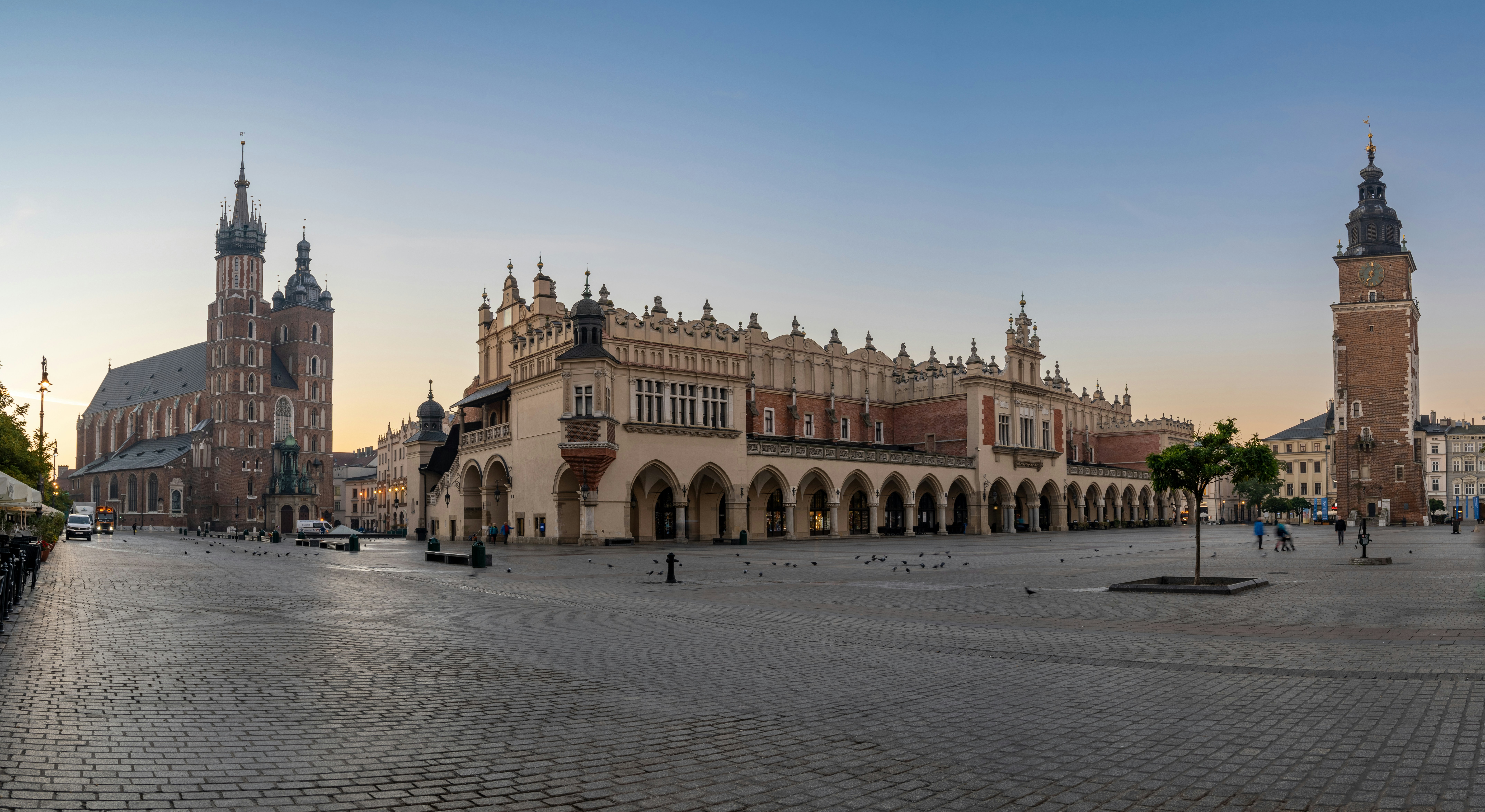
Poland is one of the most compelling solo travel destinations in Europe. The country offers a combination that is genuinely rare: world-class history, walkable city centres, a cost of living well below Western European norms, excellent rail connections, and a student and backpacker culture - particularly in Kraków - that makes meeting people straightforward. It consistently ranks among the safest countries in Central Europe.
Is Poland Good for Solo Travel?
Yes, without qualification. Poland’s major cities - Kraków, Warsaw, Wrocław, Gdańsk - are designed for walking. The PKP rail network connects them quickly and cheaply. English is widely spoken in tourist areas and among anyone under 40 in major cities. The hostel infrastructure is strong, with Kraków having one of the densest concentrations of well-reviewed hostels in Central Europe.
Budget expectations: approximately €40–70 per day covers a hostel dorm, meals, public transport, and entry fees. Private accommodation and restaurant dining push that to €70–100. Either way, Poland is significantly cheaper than Germany, the Netherlands, or France for comparable experiences.
Safety for Solo Travellers
Poland ranks in the lower-risk tier of European countries by most safety indices. Violent crime targeting tourists is rare. The risks that exist are standard urban ones: pickpocketing in crowded tourist areas (Kraków’s Rynek Główny in peak summer, Warsaw’s Old Town), and unlicensed taxi drivers at airports and train stations. Both are avoidable with basic awareness.
Use Bolt or Uber rather than hailing cabs at the kerb. Keep valuables in a front pocket or crossbody bag in crowded areas. Leave your passport in the hotel safe and carry a photo on your phone.
For a full breakdown of safety conditions including ATM precautions and emergency numbers, see our Poland safety guide.
Solo Female Travel in Poland
Poland is widely reported as safe and comfortable for solo women. Kraków’s Old Town and Kazimierz quarter have a constant stream of international visitors and a late-night economy that doesn’t feel threatening. Warsaw’s central districts (Śródmieście, Praga) are similarly well-populated at night.
The one area of consistent advice from solo female travellers: exercise extra awareness near Kraków Główny and Warszawa Centralna train stations after midnight. The stations themselves are fine; it’s the immediate surroundings that attract the same characters you’d find at any major European rail hub at that hour. Bolt from the station to your accommodation if arriving late.
Rural Poland has more traditional social norms, but solo female travellers in smaller cities and towns report broadly positive experiences. The risk is social conservatism rather than safety.
How to Meet People in Poland
Kraków
Kraków is the easiest place in Poland to meet fellow travellers by a significant margin.
Pub crawls are the most efficient social mechanism. Multiple operators run nightly tours through the Old Town and Kazimierz, with Krakow Pub Crawl and Cracow City Tours being the best-known. Expect to pay approximately PLN 60–80 (as of 2026) for entry to four or five bars plus a shot at each. The format guarantees a mixed international group.
Free walking tours - Sandemans runs daily tours departing from the Rynek Główny. Tip-based, consistently good, and a reliable way to meet other solo travellers doing the same thing.
Kazimierz - the former Jewish Quarter south of the Old Town - has a concentration of bars with communal seating and a relaxed social culture that makes conversation easy. Café Singer and Alchemia are perennial focal points.
Couchsurfing Kraków runs regular meetups that are open to travellers, not just hosts and surfers. The Kraków CS community is one of the more active in Central Europe.
Erasmus students - Poland hosts thousands of Erasmus students, particularly in Kraków (Jagiellonian University), Warsaw, and Wrocław. Their social events are frequently open to international visitors; check Facebook groups for current schedules.
Warsaw
Warsaw has a larger, more spread-out social scene. The Praga district east of the Vistula has become the city’s creative quarter - rougher-edged, cheaper bars, and a local-heavy crowd that’s more welcoming than the tourist-polished Old Town. Facebook groups - “Foreigners in Poland” and “Expats in Warsaw” - both have active event listings. Free walking tours depart daily from the Old Town Market Square.
Wrocław
Wrocław is underrated for solo travel. The canal-laced city centre has a strong student population (University of Wrocław, Wrocław University of Technology), multiple free walking tours, and a bar scene concentrated around Świdnicka and the Market Square that’s easy to navigate solo.
Hiking and Outdoor Communities
Polish hiking culture is welcoming to foreigners. The Tatry mountain clubs (Polskie Towarzystwo Turystyczno-Krajoznawcze, PTTK) organise group hikes in the Tatras and Sudeten mountains. Sudety trekking Facebook groups and Meetup.com carry current trip listings. This is a reliable route into a local social scene if you’re spending time in Zakopane or Lower Silesia.
Best Bases for Solo Travellers
Kraków - the default choice and the right one for first-time solo visitors. Everything in the Old Town is walkable, the hostel density is high, and the social infrastructure (pub crawls, walking tours, CS meetups) does most of the work for you. Budget accommodation starts at approximately PLN 60–80 per night for a dorm bed in a well-reviewed hostel as of 2026.
Warsaw - suits solo travellers who want a capital city experience: world-class museums (POLIN, Warsaw Rising Museum), a more cosmopolitan bar scene, and direct international connections for onward travel. Less immediately social than Kraków, but not difficult to navigate alone.
Wrocław - the pick for anyone who wants to avoid the tourist crowd entirely. Lower visitor numbers than Kraków, lower prices, and a student scene that makes it easy to meet people without relying on organised pub crawls.
Group Tours Worth Taking
Certain Polish experiences are significantly better with a guide than alone:
Auschwitz-Birkenau - guided tours are strongly recommended. The site is large, historically complex, and emotionally demanding. A knowledgeable guide provides context that self-guided visits miss. Booking in advance is essential in summer; timed entry is mandatory. Browse Auschwitz guided tours from Kraków - many include transport from the city centre.
Wieliczka Salt Mine - entry is by guided tour only; independent visits are not permitted. The underground route covers 3 km of chambers, chapels, and lakes. Tours depart from Kraków and include transport.
Warsaw Old Town tours - Warsaw’s Old Town was almost entirely destroyed in World War II and rebuilt from historical records. The reconstruction story is remarkable and best understood with a guide who can explain what you’re actually looking at.
Practical Solo Tips
Budget: Approximately €40–70 per day is realistic for a solo traveller staying in hostels and eating at mid-range restaurants and bar snacks. Private hotel rooms push the daily budget to €80–120. Street food (zapiekanka, pierogi from market stalls) runs approximately PLN 12–25 per item.
Search hotels in Poland on Booking.com
Transport: PKP intercity trains connect Warsaw, Kraków, Wrocław, Gdańsk, and Poznań efficiently. A Warsaw–Kraków express takes approximately 2 hours 15 minutes; tickets from approximately PLN 79 as of 2026. Book via the PKP Intercity app or website. For getting around cities, Bolt and Uber both operate reliably.
Cash vs card: Major cities are card-friendly, but carry some PLN cash for markets, rural areas, smaller restaurants, and public toilet fees (approximately PLN 2). Withdraw from bank-attached ATMs rather than Euronet machines; always choose to pay in PLN rather than your home currency to avoid Dynamic Currency Conversion charges.
SIM card: A Polish SIM is cheap and worth buying at the airport or any phone shop. Orange, Play, and T-Mobile all offer data-heavy tourist plans for approximately PLN 30–50 for 30 days as of 2026. Alternatively, an eSIM avoids the need for a physical card. If you’re travelling Poland solo with a tight schedule, it’s also worth reviewing travel insurance options for Poland - single-trip policies are inexpensive and cover medical emergencies, theft, and trip disruption.
Kraków without transport: The Old Town, Kazimierz, Wawel Castle, and Podgórze (former ghetto) are all walkable from each other. You can spend 3–4 days in Kraków without needing any public transport.
Best Time to Go Solo
April–June and September–October are the best months for solo travel in Poland. Temperatures are pleasant (12–22°C), crowds are manageable, and the social scenes in Kraków and Warsaw are active without being overwhelming. Summer (July–August) sees the heaviest tourist numbers and highest prices; the social infrastructure is at peak capacity, which can work in your favour if you’re trying to meet people, but Kraków’s Rynek in August is notably crowded.
December is worth considering if you’re comfortable with cold weather. Poland’s Christmas markets - Kraków, Wrocław, Warsaw, and Gdańsk all run them from late November through Christmas Eve - create a genuinely social atmosphere and attract a mix of domestic and international visitors. The Wrocław Christmas market is consistently rated among the best in Central Europe.
For month-by-month conditions across Poland, our practical guides by month cover weather, events, and what to expect on the ground.
Solo Travel Bases
- Warsaw - the capital with hostels, day trips, and a strong solo scene
- Kraków - Poland’s most popular solo destination with outstanding hostels
- Gdańsk - Baltic city with excellent Solidarity-era history
- Wrocław - student city, dwarf trail, and sociable hostel scene
- Zakopane - mountain destination, great for meeting fellow hikers
- Lublin - underrated eastern city with a university crowd
Activities for Solo Travellers
- Auschwitz Tours from Kraków - guided group tours are the most appropriate way to visit; built-in social context
- Tatra Mountains Trekking - Morskie Oko is a great solo day hike; guided group options for high routes
- Vegan Food in Poland - if you’re plant-based, key phrases for navigating Polish menus alone
- Poland Budget Guide - solo travel costs more per head than group; realistic budget breakdown for one
Plan Your Trip
✈️ Book your flights to Poland 🛡️ Get travel insurance 📱 Stay connected with an eSIM 🚗 Rent a car