August is Poland’s summer peak. Every major city is busy, accommodation prices are at their highest of the year, and the most popular attractions require early starts to avoid crowds. Despite this, August delivers the best combination of warm weather, long evenings, active festivals, and fully operational mountain trails. Just book everything well ahead.
Hottest Month with 20°C Baltic Water and More Frequent Afternoon Storms
| City | Avg High (°C) | Avg Low (°C) | Rain Days | Daylight Hours |
|---|---|---|---|---|
| Warsaw | 26°C | 16°C | 9 | ~14.5 hrs |
| Kraków | 25°C | 15°C | 9 | ~14.5 hrs |
| Gdańsk | 23°C | 15°C | 9 | ~14.5 hrs |
| Wrocław | 25°C | 15°C | 9 | ~14.5 hrs |
| Zakopane | 21°C | 11°C | 12 | ~14.5 hrs |
Days are still very long in August but noticeably shorter than July’s peak. The Baltic water temperature reaches approximately 20°C in August - the warmest of the year. Afternoon storms are more common than June.
Warsaw Rising Anniversary, St. Dominic’s Fair, and Assumption Pilgrimage to Częstochowa
Warsaw Rising Anniversary - August 1 The single most affecting public commemoration in Poland. At exactly 17:00 on August 1, sirens sound across Warsaw and the city pauses for one minute in memory of the 1944 Uprising. It’s observed strictly - cars stop, people on the street stand still. The Warsaw Rising Museum (Muzeum Powstania Warszawskiego) is the most visited institution on this day; queues form early. The museum tells the 63-day uprising story in exceptional depth. Entry costs approximately PLN 35 as of 2026; free on the 1st of August. Allow 3-4 hours.
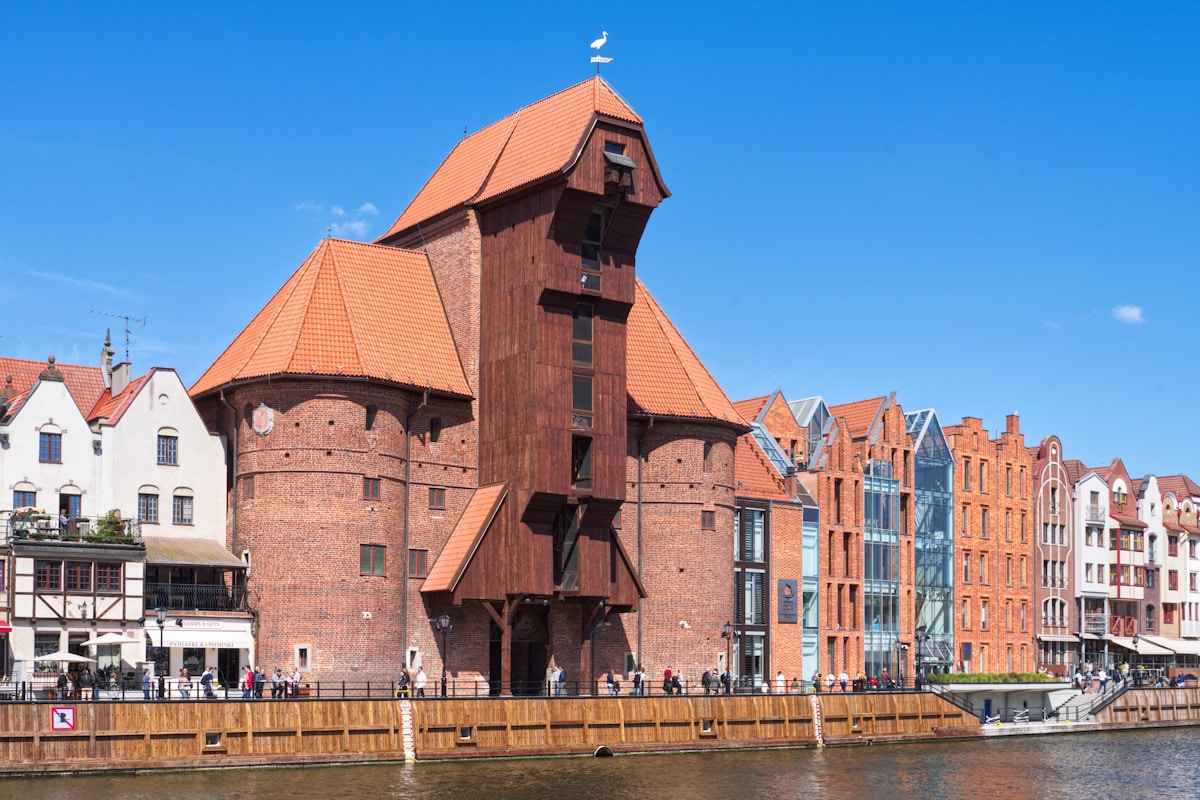
St. Dominic’s Fair - Gdańsk (continuing through mid-August) The Jarmark Świętego Dominika runs from the last Thursday of July through the third Sunday of August. Over three weeks, 1,000+ vendor stalls occupy the Long Market and surrounding streets in Gdańsk’s Old Town. Antiques, amber jewellery, folk crafts, street food, and outdoor performances. Entry is free. The fair has operated almost continuously since 1260.
Assumption of Mary - August 15 A major Catholic holiday in Poland (the country is approximately 87% Catholic). Churches hold major services, and the Jasna Góra monastery in Częstochowa - Poland’s most important Catholic pilgrimage site - sees its largest annual gathering. Pilgrims walk from Warsaw to Częstochowa (approximately 250 km) over several weeks, arriving on August 15. It’s a remarkable cultural spectacle even for non-religious visitors.
Tatra High Routes, Gdańsk’s Stall-Lined Streets, and Toruń’s Gingerbread Workshops
Tatra Mountains - August is the best month for all Tatra hiking routes. The Orla Perć (Eagle’s Path) ridge trail - Poland’s most exposed mountain route - is safest when thunderstorms are accounted for. Start routes by 6am for safety and to beat crowds. The Valley of Five Polish Ponds (Dolina Pięciu Stawów Polskich) is less crowded than Morskie Oko and arguably more beautiful - accessible via the Roztoka Valley trail (approximately 6 hours round trip, challenging).
Gdańsk - St. Dominic’s Fair makes Gdańsk an August must. Add a day trip to the Stutthof concentration camp (36 km east) - a sobering but important visit, accessible by local bus. Plan half a day; the site costs approximately PLN 20 to enter as of 2026.
Toruń - The medieval city of Toruń (birthplace of Copernicus) is far less crowded than Kraków in August and rewards 2 days of exploration. The Old Town is a UNESCO World Heritage Site; the gingerbread tradition (Toruń is Poland’s gingerbread capital) is something to participate in through the many Piernik workshops available for approximately PLN 50-80 per person as of 2026.
August Hotels: Baltic Coast Fills for School Holidays, Warsaw for the Rising Anniversary
Warsaw - Verte Hotel A well-positioned design hotel in central Warsaw, near Nowy Świat. Rooms from approximately PLN 400 per night as of 2026. August weekends book quickly.
Zakopane - Villaggio Resort Mountain resort with views of the High Tatras, indoor and outdoor pools. Rooms from approximately PLN 500 per night as of 2026.
Toruń - Hotel 1231 Boutique hotel in a historic building in the Old Town. Rooms from approximately PLN 300 per night as of 2026.
Search hotels in Poland on Booking.com
Summer Kit, Mountain Layers, and Swimwear for the Baltic Coast
- Light summer clothing - shorts, t-shirts, summer dresses
- Swimwear (Baltic coast + mountain lakes)
- Sunscreen (factor 30+) and sunglasses
- Waterproof jacket for afternoon thunderstorms
- Good hiking boots if heading to the Tatras
- Layers for mountain evenings (temperatures drop sharply above 1,500 m)
- Insect repellent for Masuria or Bieszczady
Warsaw Rising Commemoration at 5pm, Mountain Safety, and Air Conditioning Gaps
Warsaw Rising commemoration logistics. If you’re in Warsaw on August 1, be near Pl. Powstańców Warszawy or Krakowskie Przedmieście at 5pm. The moment the sirens start, simply stop where you are. It’s deeply respectful to observe in silence.
Book the Tatras early in the morning. Trails get dangerously crowded and afternoon storms are the main safety risk. Park services ask hikers to be off high routes by 3pm at the latest. Guided tours in Poland that include mountain excursions handle the logistics and timing for you, which makes a real difference in August when coordination matters most.
Kraków Old Town is at its most crowded in August. Consider staying in Kazimierz (a 20-minute walk from Rynek Główny) where the accommodation is cheaper and the neighbourhood more characterful. Kraków guided tours that depart early morning avoid the midday crowds at Wawel and the Jewish Quarter.
Air conditioning is not guaranteed. Many Polish hotels, particularly historic townhouse conversions, don’t have A/C. Check specifically before booking in August.
August City Focus: Gdańsk at Full Baltic Summer, Warsaw’s Rising Commemoration, Tatra High Routes
- Warsaw City Guide - Warsaw Rising commemoration on August 1 and Vistula riverside life
- Kraków City Guide - peak summer crowds; base in Kazimierz for a quieter experience
- Gdańsk City Guide - St. Dominic’s Fair and Baltic beach weather at their peak
- Zakopane City Guide - Tatra hiking season at full capacity; book accommodation well ahead
Plan Your Trip
August 1 at 5pm is the Warsaw Rising Commemoration - sirens stop the city for a minute of silence, and it’s a genuinely moving moment to witness. If your dates include Assumption Day (August 15), expect pilgrimage traffic on the Warsaw–Częstochowa road. The Baltic coast is at peak school-holiday saturation; Sopot and Gdańsk book out, but Hel Peninsula and smaller coastal villages often have availability.
Book your flights to Poland - book early; August is school-holiday peak Get travel insurance Stay connected with an eSIM Rent a car - useful for reaching smaller Baltic resorts outside the Trójmiasto corridor