For a full overview of all seasons, see our best time to visit Poland guide.
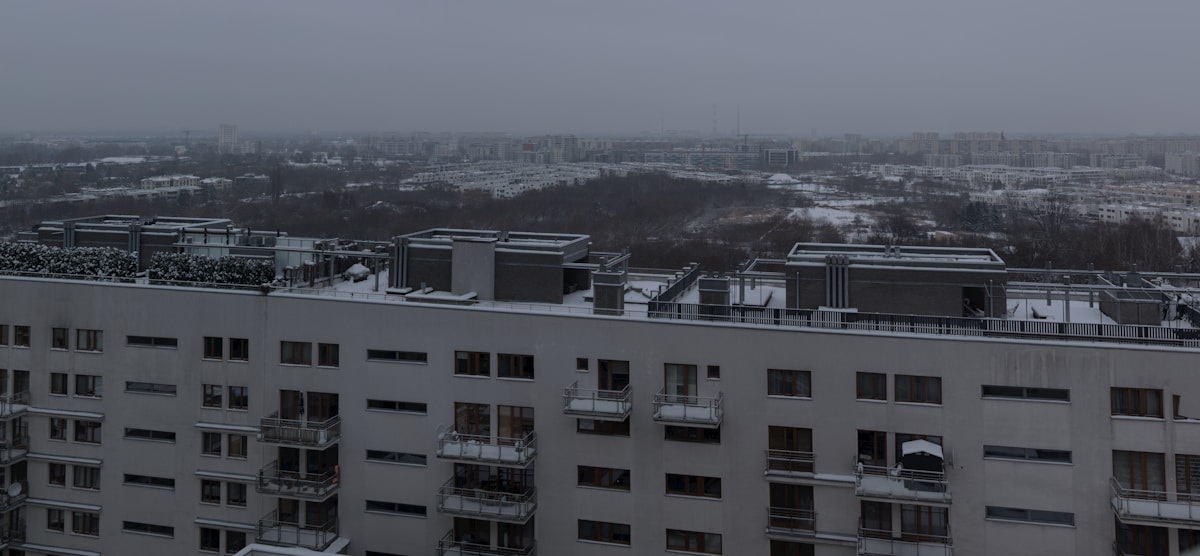
January is Poland’s deepest winter month - cold, occasionally snowy, and reliably uncrowded. If you’re comfortable in low temperatures and prefer to visit museums, old town squares, and milk bars without queuing, this is one of the most rewarding times to travel here.
Frozen Cities, Deep Tatra Snow: January’s Winter Conditions
| City | Avg High (°C) | Avg Low (°C) | Rain/Snow Days | Daylight Hours |
|---|---|---|---|---|
| Warsaw | 2°C | -4°C | 9 | ~8 hrs |
| Kraków | 2°C | -4°C | 8 | ~8 hrs |
| Gdańsk | 3°C | -1°C | 10 | ~8 hrs |
| Wrocław | 3°C | -3°C | 9 | ~8 hrs |
| Zakopane | -2°C | -8°C | 11 | ~8 hrs |
Snow is most reliable in the Tatra mountains around Zakopane, where it typically falls from December through February. In Warsaw and Kraków, snowfall happens but doesn’t always settle for long. Temperatures frequently dip below freezing overnight, so warm clothing is non-negotiable.
WOŚP Charity Concert and Peak Ski Season in Zakopane
WOŚP - Great Orchestra of Christmas Charity (Wielka Orkiestra Świątecznej Pomocy) The WOŚP finale is held on the second Sunday of January and is one of the most remarkable events in the Polish calendar. Founded in 1993, it raises money for children’s healthcare through street collections and concerts across every Polish city. The Warsaw event typically draws large crowds to Plac Defilad. It’s a genuinely moving experience and a fascinating window into Polish civic culture.
Ski Season - Zakopane and Małopolska January is peak ski season in the Tatras. Zakopane - Poland’s ski capital - sees its busiest accommodation period of the year. The Kasprowy Wierch cable car operates weather permitting, and smaller resorts like Białka Tatrzańska and Bukowina Tatrzańska are popular alternatives with families.
Zakopane Ski Slopes, Kraków Without Crowds, and Warsaw’s Museums
Warsaw - The capital operates at full pace through winter. The old town is quiet enough to actually enjoy without tour groups blocking every doorway. POLIN Museum of the History of Polish Jews, the Warsaw Rising Museum, and the National Museum all make excellent full-day visits. Evening restaurant culture is strong - Poles don’t hibernate.
Kraków - January sees Kraków’s tourist numbers at their lowest. The Wawel Royal Castle and Cloth Hall are accessible without long waits. The Kazimierz district’s café culture is at its most authentic in winter, when it’s filled with locals rather than visitors on pub crawls. Guided Kraków tours in January run with very small groups - a good moment for a more immersive, less rushed experience.
Zakopane - If you ski or snowboard, January is the month to head south. Snow conditions are generally good, lift infrastructure is modest by Alpine standards but improving, and the resort town’s wooden architecture and góralski (highlander) culture add genuine character.
January Hotels: Warsaw’s Grand Pre-War Hotels and Zakopane Ski Lodges
Warsaw - Hotel Bristol One of Warsaw’s grand pre-war hotels, on Krakowskie Przedmieście. Rooms from approximately PLN 550 per night as of 2026. The location is ideal for exploring the Royal Route on foot.
Kraków - Hotel Stary A converted 15th-century townhouse in the heart of Kraków’s Old Town. Rooms from approximately PLN 400 per night as of 2026. Small, well-run, and genuinely historic.
Zakopane - Nosalowy Dwór Resort & Spa A large mountain resort with indoor pool, spa, and ski shuttle. Rooms from approximately PLN 450 per night as of 2026. Book early - January fills up fast for ski weekends.
Search hotels in Poland on Booking.com
Packing for Polish Winter: Layers, Grip Boots, and Power Banks
- Thermal base layers (top and bottom)
- Warm mid-layer (fleece or down gilet)
- Heavy winter coat - waterproof outer shell
- Waterproof, insulated boots with non-slip soles
- Hat, gloves, scarf - all essential, not optional
- Lip balm and hand cream (indoor heating is dry)
- Small daypack for museum days
- Power bank (cold kills phone batteries faster)
Milk Bars, Museum Cards, and Making the Most of Short January Days
Book trains in advance. PKP Intercity express services between Warsaw, Kraków, and Gdańsk fill up, particularly around the WOŚP weekend and school holiday periods. Use intercity.pl or the PKP Intercity app to book.
Embrace milk bars (bary mleczne). These subsidised canteen restaurants serve traditional Polish food - żurek, bigos, pierogi - for approximately PLN 20-35 per person. They’re warm, cheap, and full of locals in January.
Museum passes are worth it in Warsaw. The Warsaw Museum Card covers entry to over 40 institutions and costs approximately PLN 120 for three days as of 2026. January is the perfect time to use it properly.
Daylight is limited. Plan outdoor activities for 10am–3pm when light is best. Move indoor activities to late afternoon and evening.
Prices are at their annual low. Hotels and short-term rentals in Warsaw and Kraków are significantly cheaper in January than in summer. It’s possible to stay in very good hotels for prices that would be out of reach in July. Guided tours across Poland are similarly discounted in January - a good time to book if you want flexibility. Last-minute Poland tours are a practical option if your plans are still forming; January availability is rarely a problem.
Where to Base in January: Warsaw and Kraków for Culture, Zakopane for the Ski Slopes
- Warsaw City Guide - museum-heavy itineraries work best in January; museum card is excellent value
- Kraków City Guide - milk bars, indoor markets, and the Old Town without the summer crowds
- Zakopane City Guide - ski season begins and mountain huts are open for winter hiking
- Gdańsk City Guide - the waterfront in winter is atmospheric and very quiet
Plan Your Trip
January is Poland’s cheapest travel month - Warsaw and Kraków hotels run well below summer rates, and Zakopane ski lodges have good availability outside the WOŚP charity concert weekend in mid-January. Lift passes for Kasprowy Wierch and Butorowy Wierch can be bought on arrival; no advance booking is needed outside school holidays. The Warsaw Museum Card (approximately PLN 120 for three days) is worth picking up at your first museum visit.
- Book your flights to Poland - January has some of Poland’s lowest airfares from Western Europe
- Get travel insurance - winter sports cover is essential if you’re skiing in Zakopane
- Stay connected with an eSIM
- Rent a car - check road conditions before driving to the Tatras; mountain passes close in heavy snow