Gdynia is the least visited of the Pomeranian Tri-City trio, which is partly why it is worth the effort. Built almost from scratch in the 1920s as a newly independent Poland’s only significant port, the city centre is the largest coherent collection of interwar functionalist and Art Deco architecture in Poland. Add a warship museum, the Emigration Museum in a beautifully restored maritime station, and the cliff-backed Orłowo beach to the south, and Gdynia justifies a half-day or full day from anyone spending time in the Tri-City.
The Waterfront
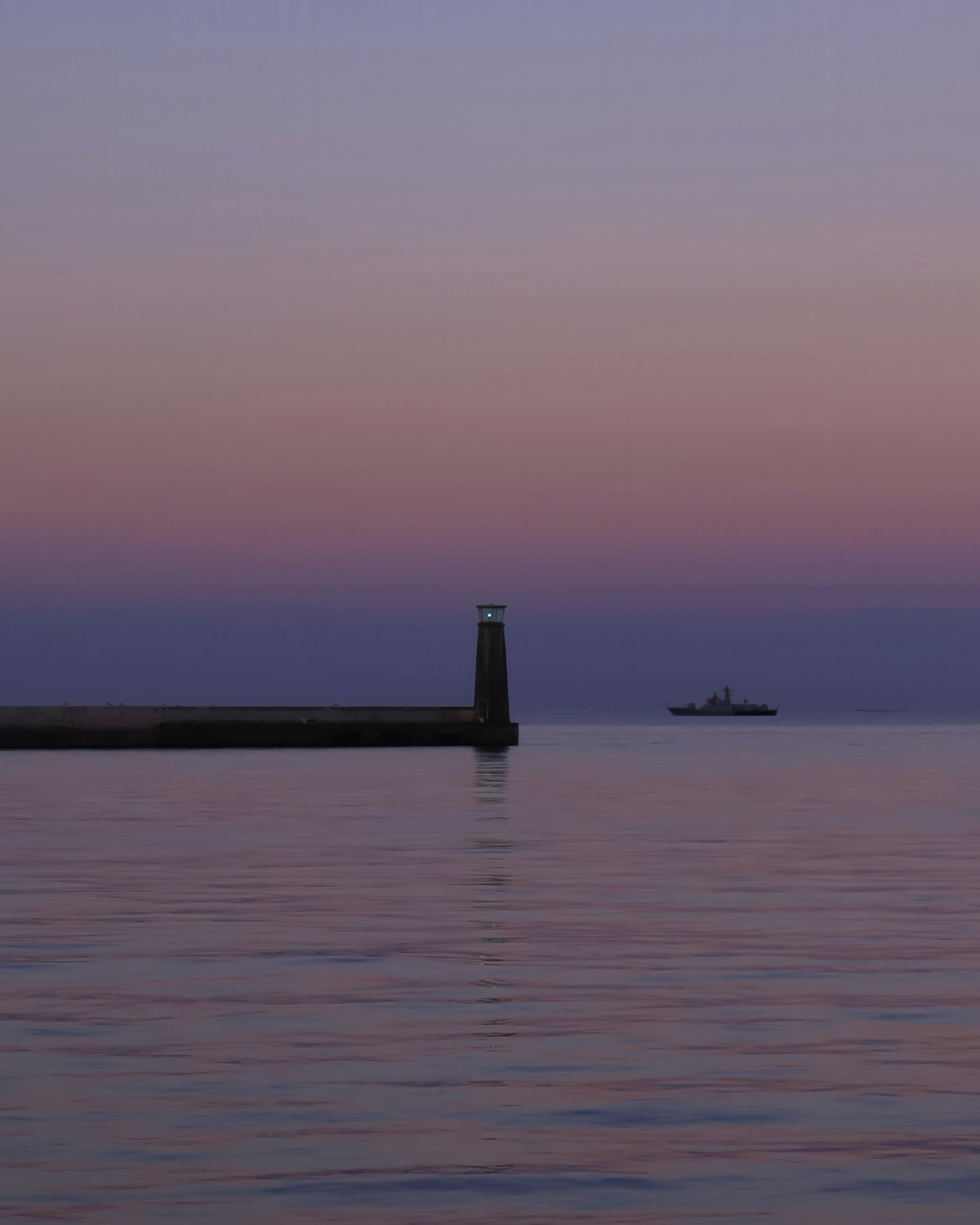
The Gdynia waterfront (ul. Jana z Kolna and the adjoining promenade) is the natural starting point. The broad promenades along the pier complex are pleasant to walk at any time of year and frame some good views of the harbour and the open Baltic.
ORP Błyskawica (Museum Ship)
The destroyer ORP Błyskawica is moored permanently at Molo Południowe (South Pier) and is one of the most interesting military museums in Poland. Built in England in 1937 for the Polish Navy, the ship escaped to British ports at the start of the German invasion in 1939 and went on to serve throughout the Second World War - its most celebrated action was the defence of Cowes, Isle of Wight, against the Luftwaffe bombing in May 1942. After the war the ship returned to Poland and has been preserved as a museum since 1976.
The tour covers the upper decks, torpedo tubes, gun mounts, bridge, officers’ quarters, and the engine room - an exceptionally complete example of a 1930s warship interior. Entry approximately PLN 20 as of 2026; allow 1.5 hours.
ORP Dar Pomorza (Frigate)
Moored nearby is ORP Dar Pomorza, a three-masted training frigate that served as the main sail training vessel for the Polish Navy until 1981. It is now a museum ship covering Polish maritime history from the interwar period through the communist era. Entry approximately PLN 20 as of 2026.
Southern Pier (Molo Południowe)
The main pier extends approximately 300 metres into the harbour and is free to walk. The views from the pier head take in the full sweep of the waterfront, the container port to the south, and the open sea. In summer, boat trips run from the pier to Sopot, Gdańsk, and around the harbour - check the kiosks near the pier entrance for current schedules and prices (approximately PLN 25–50 per person as of 2026).
Emigration Museum (Muzeum Emigracji)
The Emigration Museum occupies the restored Dworzec Morski (Maritime Station), a magnificent 1933 functionalist building that was once the departure point for emigrants boarding transatlantic ships. The building itself is worth the visit - the long colonnaded hall, the original details, and the views from the waterfront facade are all impressive.
The exhibitions inside are among the most emotionally engaging in any Polish museum. They cover the 2–3 million Poles who emigrated to the United States, Canada, Brazil, and Argentina in the late 19th and early 20th centuries - using personal letters, documents, photographs, and audio installations to put individual faces to the statistics. Entry approximately PLN 20 as of 2026. Allow a full 1.5–2 hours to do justice to the permanent exhibition.
Modernist Architecture Walking Route
Gdynia’s interwar modernist buildings are the city’s most underrated asset and the main reason it was recently added to the UNESCO Tentative List of World Heritage Sites. The city was built almost entirely between 1921 and 1939 - a planned city where Polish architects working in the functionalist and Art Deco styles had virtually a blank canvas.
Key buildings to seek out on a walking route from the waterfront into the city centre:
- Kamienica Riwiera (ul. Świętojańska) - one of the finest Art Deco apartment buildings in Poland, with a curved corner facade and detailed ornamentation
- City Hall (Urząd Miasta) on pl. Kaszubski - a 1930s functionalist civic building of considerable refinement
- Dom Żeglarza Polskiego - the Polish Sailor’s House on the waterfront, designed in the maritime modernist style
- Bank Polska Kasa Opieki on ul. 10 Lutego - polished 1930s commercial architecture
The tourist information office near the Southern Pier distributes a free architectural walking map covering 40+ key buildings - pick one up before you start.
Orłowo Beach and Cliff
Orłowo in southern Gdynia is the best beach in the Tri-City for natural setting. The sandy beach sits at the base of a glacial cliff - a natural landscape feature unique on the otherwise flat Pomeranian coast - with a short 125-metre pier and views of the wooded cliffs above. The area has a quieter, more residential character than central Gdynia or Sopot.
To reach Orłowo, take the SKM commuter train from Gdynia Główna to Gdynia Orłowo station (approximately 5 minutes). The beach and pier are a 5-minute walk from the station. The cliff walk above the beach takes approximately 30 minutes and provides elevated views along the coast.
Trójmiejski Landscape Park
The Trójmiejski Landscape Park covers the Kashubian upland forest behind Gdynia, Sopot, and northern Gdańsk. The Gdynia section has good walking and mountain biking trails accessible from ul. Sopocka in the northern part of the city. The park is popular with local residents for weekend walks - well-marked trails, quiet forest paths, and occasional viewpoints over the Tri-City and the Baltic. Entry free.
Practical Information
Gdynia Główna railway station is connected to Gdańsk and Sopot by the SKM commuter train (every 10 minutes, approximately PLN 5 as of 2026). Most attractions are within a 20-minute walk of the station. The waterfront and Emigration Museum are approximately 15 minutes on foot heading north from the station exit. For a more structured introduction to the Tri-City, guided tours from Gdańsk cover Gdynia and Sopot alongside the main Gdańsk attractions in a single day.
Search hotels in Gdynia on Booking.com
More in Gdynia
- Gdynia City Guide - overview, hotels, restaurants, and getting there
- Gdańsk City Guide - the Tri-City’s most visited destination, 25 minutes away
- Things to Do in Sopot - Gdynia’s beach resort neighbour
- Getting Around Poland - SKM trains and transport on the Baltic coast
- Things to Do in Gdańsk - the full Old Town and Solidarity history experience
- Malbork Castle Visitor Guide - a short train from Gdańsk for a Teutonic Knights day trip
- Flights to Poland - Gdańsk Lech Wałęsa Airport connects the Tri-City to Europe
- 2 Weeks in Poland Itinerary - the Baltic coast as part of a longer Polish route