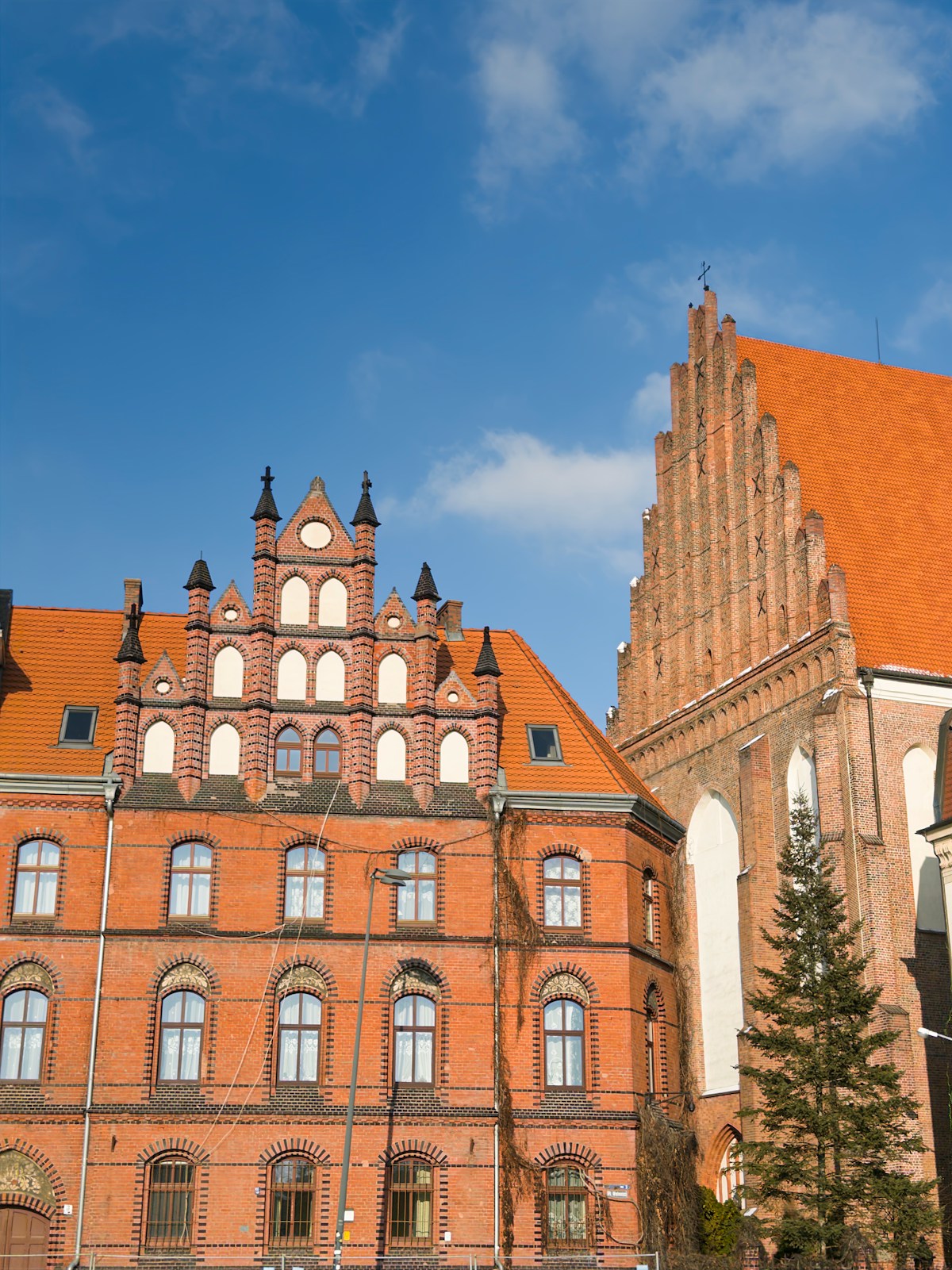
Kraków and Wrocław are regularly cited alongside each other as the two most rewarding Polish cities outside Warsaw. Both have striking Old Towns, strong university populations, excellent food scenes, and plenty to keep a visitor occupied for several days. But they are quite different in character, history, and atmosphere - and depending on what you are looking for, one will suit you significantly better than the other.
Overview
Kraków is Poland’s most visited city and its pre-war capital. It emerged from the Second World War largely undamaged, which means the Gothic, Renaissance, and Baroque architecture of its Old Town is the real thing, not reconstruction. Wawel Castle, the Main Market Square, Kazimierz Jewish Quarter, and the network of medieval cellars beneath the old streets all speak to a city that has been continuously inhabited and culturally significant for a thousand years. Tourism is the dominant industry; the city receives around 14 million visitors per year. In summer, particularly July and August, it can feel overwhelmed.
Wrocław has a more complicated identity. The city was German as Breslau until 1945, when it was transferred to Poland, its German population expelled, and resettled primarily with Poles displaced from Lwów (now Lviv, Ukraine). This history - of a city rebuilt by people who were themselves displaced - gives it a different kind of energy to Kraków. Its Old Town was heavily damaged in 1945 but subsequently restored; the Market Square (Rynek), ringed by coloured baroque townhouses, is genuinely magnificent. A population of around 650,000 with 150,000 students makes it a younger-feeling city than Kraków, with a livelier year-round cultural calendar.
Getting Between the Cities
Direct PKP Intercity trains connect Kraków Główny and Wrocław Główny in approximately 3.5–4 hours. Advance fares from around PLN 50; standard tickets approximately PLN 80–120 as of 2026. Faster routes exist but often require a change. By car via the A4 motorway the journey is approximately 270 km and takes roughly 3–3.5 hours. Budget buses (FlixBus) take around 4 hours for as little as PLN 30–50.
Things to Do
Kraków concentrates its highlights in a very small area. From the Main Market Square, virtually every major sight is within 20 minutes on foot - Wawel Castle and Cathedral, the Kazimierz Jewish Quarter, and Schindler’s Factory in Podgórze. The Wieliczka Salt Mine (14 km, PLN 149 for the standard tourist route as of 2026) is the most popular day trip. The compression of significant sights into a compact area makes Kraków extremely efficient for sightseeing - two full days cover the essentials. For the full picture, see our Kraków things to do guide.
Wrocław rewards exploration on foot in a different way. The city’s island-and-canal topography means walking between sights involves crossing bridges and discovering new urban perspectives - particularly enjoyable. Cathedral Island (Ostrów Tumski), the oldest part of the city, has a Gothic cathedral (free to enter), several baroque churches, and is atmospheric after dark when the gas lamps are lit. The Panorama Racławicka - a 360-degree painting from 1894 depicting a Napoleonic-era battle scene, housed in a circular rotunda - is uniquely Wrocław (entry approximately PLN 30 as of 2026). The 400+ bronze dwarf figurines (krasnale) scattered across the city are a city-wide scavenger hunt with genuine historical origins as Solidarity-era protest symbols. See our Wrocław things to do guide.
Edge: Kraków for concentrated UNESCO-level sights; Wrocław for exploratory, canal-city wandering.
History
Kraków’s history is linear and Polish: it was the royal capital of the Kingdom of Poland for centuries, the seat of the Jagiellonian University (founded 1364), and a cultural centre that survived the 20th century largely intact. This continuity is visible everywhere - the layers of Gothic, Renaissance, and Baroque are all in situ.
Wrocław’s history is more complex and arguably more intellectually interesting precisely because of that complexity. The city was Polish in the Middle Ages, then Bohemian, then Habsburg, then Prussian, then German - and German for long enough that its greatest architectural period (the 19th century and early 20th) was conducted entirely in the German cultural and architectural tradition. Walking around the university district or the market hall (Hala Targowa) requires holding several centuries and several nationalities in mind simultaneously.
Edge: Subjective. Kraków offers royal Polish grandeur; Wrocław offers the complexity of a truly multicultural European city.
Food and Drink
Both cities have excellent restaurant scenes, though different in character.
Kraków has the strongest concentration of traditional Polish cuisine and one of the most active bar scenes in Poland. The milk bar (bar mleczny) tradition survives genuinely - Bar Mleczny Chimera on Świętej Anny serves bigos and pierogi from approximately PLN 25–40 for a full meal as of 2026. Mid-range dining in Kazimierz is diverse and well-priced: Restauracja Miód Malina for Polish classics (mains PLN 45–75), multiple Israeli, Georgian, and international kitchens reflecting the quarter’s history. The food and drink scene is documented in our Kraków food and drink guide.
Wrocław’s scene is sustained by the student population and has developed notably in the last decade. The Rynek and the streets south of it - Świdnicka, Ruska - concentrate the best options. Restauracja Jadka is the most praised address for refined Polish cuisine (mains PLN 65–110 as of 2026). The craft beer culture is strong - Wrocław has produced some of Poland’s most respected small breweries. Vegetarian and vegan options are well-developed, reflecting the city’s progressive university culture.
Edge: Draw. Kraków has more atmosphere and a stronger traditional food identity; Wrocław has a more dynamic, experimental food scene.
Where to Stay
Kraków has a very deep accommodation market given its tourist volume. Budget: Greg & Tom Beer House Hostel (dorms from PLN 80, private from PLN 200 as of 2026) is among Europe’s most consistently reviewed hostels. Mid-range: Puro Hotel from approximately PLN 450 per night. Top end: Hotel Wentzl on the Market Square from approximately PLN 600 per night. See our Kraków where to stay guide.
Wrocław has solid mid-range options at generally lower prices than Kraków. Hotel Monopol, a restored art nouveau property on Świdnicka, is the most elegant choice (from approximately PLN 400–550 per night as of 2026). Ibis Wrocław Centrum offers reliable comfort from approximately PLN 280–380 per night. Budget hostel options are concentrated near the Rynek. See our Wrocław where to stay guide.
Edge: Kraków has more options at the top end; Wrocław offers better mid-range value.
Search hotels in Kraków on Booking.com
Nightlife
Kraków has one of Poland’s most active bar scenes, concentrated in the medieval cellars below the Old Town and in Kazimierz. The underground bar district - stone-vaulted cellars accessible through street-level doorways - is genuinely atmospheric and unlike anything available elsewhere in Poland. Stag party groups are a feature of Old Town weekends; Kazimierz offers a more local alternative. For specific venues, see our Kraków nightlife guide.
Wrocław has a larger and more student-driven nightlife that sustains itself year-round. The streets south of the Rynek concentrate the best venues. Wrocław attracts international DJs and hosts several major music festivals (including Ursynalia and various jazz events). The range of venues is broader than Kraków - from underground club nights to craft beer bars to jazz clubs.
Edge: Kraków wins on atmosphere; Wrocław wins on range and year-round energy.
Budget
| Expense | Kraków | Wrocław |
|---|---|---|
| Hostel dorm (per night) | PLN 80–120 | PLN 70–110 |
| Mid-range hotel (per night) | PLN 350–500 | PLN 280–450 |
| Milk bar / budget lunch | PLN 20–35 | PLN 20–35 |
| Mid-range dinner | PLN 50–90 | PLN 50–85 |
| Museum entry (average) | PLN 20–35 | PLN 15–30 |
| Public transport (single) | PLN 3.40 | PLN 3.40 |
All approximate, as of 2026. Wrocław is marginally cheaper, particularly for accommodation.
The Verdict
Choose Kraków if: you want the most concentrated and photogenic collection of medieval and Renaissance architecture in Poland, the deepest traditional Polish cultural experience, and the best base for day trips to Wieliczka, Auschwitz, and the Tatras.
Choose Wrocław if: you want a vibrant university city with canal-island topography, a fascinating multicultural history, excellent year-round nightlife, and better value for money on accommodation.
Both cities reward at least two nights and complement each other well in a longer Polish itinerary. The train connection makes combining them in a single trip practical. See our full guides to Kraków and Wrocław for complete trip planning. For guided experiences, Kraków tours and Wrocław tours both cover the main sights efficiently for first-time visitors.
Plan Your Visit
- 2 Weeks in Poland Itinerary - how to combine both cities in a longer trip
- Things to Do in Kraków - top attractions in the medieval city
- Things to Do in Wrocław - Market Square, Cathedral Island, and day trips
- Hiking in Karkonosze National Park - the day trip from Wrocław that Kraków can’t offer
- Poland Budget Guide - accurate cost comparison between cities in 2026
More Poland Comparisons
- Kraków vs Warsaw - medieval city vs capital: the most-searched Poland city comparison
- Gdańsk vs Wrocław - Baltic coast vs canal city: another popular two-city choice
- Poland vs Czech Republic - deciding between Poland and the Czech Republic for a Central Europe trip