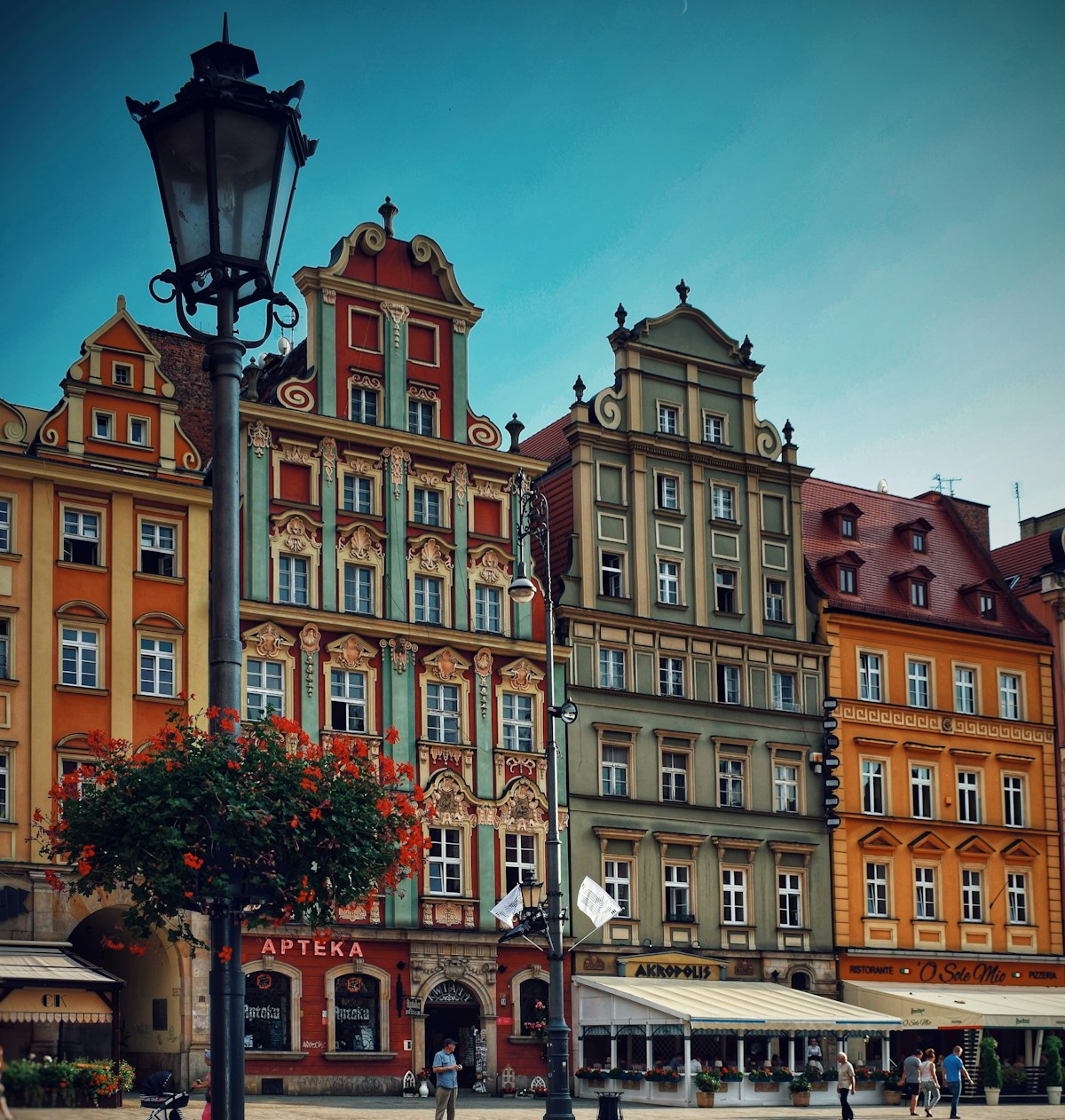
Wrocław is the gateway to Lower Silesia, one of Poland’s most varied regions: a mix of mountain trails, UNESCO churches, medieval castles and spa towns. Everything on this list is within two hours by train or car, making it possible to see genuine highlights of the region without changing your base. Książ Castle is the most dramatic fortified complex in the region, the Karkonosze Mountains offer the best hiking in western Poland, Świdnica holds a UNESCO-listed wooden church, and Jelenia Góra is the logical overnight base for the mountains.
Książ Castle
Książ (pronounced “Kshionzh”) is the third-largest castle in Poland after Malbork and Wawel, and arguably the most scenically positioned - it rises above the forested Pełcznica river valley just outside Wałbrzych. The complex combines Gothic, Renaissance and Baroque wings built over six centuries, with sections tunnelled and reinforced by the Nazi Organisation Todt during World War Two. The subterranean Project Riese tunnels, still partially unexcavated, run beneath the castle and can be explored on a separate guided tour.
Getting there: Direct regional trains run from Wrocław Główny to Wałbrzych Główny approximately every 2 hours; journey time is approximately 1 hour 40 minutes. As of 2026, a one-way ticket costs approximately 28–38 PLN. From Wałbrzych Główny, the castle is a 3-kilometre walk uphill or a short taxi (approximately 15–20 PLN as of 2026). By car: approximately 75 kilometres southwest of Wrocław, around 1 hour 15 minutes via the A4/DK35.
Entry: Castle admission costs approximately 40 PLN for adults, 30 PLN for students as of 2026. The Project Riese underground tunnel tour costs approximately 30 PLN extra and requires advance booking at ksiaz.walbrzych.pl. The castle is open daily; hours vary seasonally.
Allow: 3–4 hours for castle and grounds; 5 hours if you add the tunnel tour.
Karkonosze Mountains and Szklarska Poręba
The Karkonosze (Giant Mountains) form part of the Sudeten range along the Czech border and contain Poland’s best alpine hiking at modest altitude - the highest peak, Śnieżka, reaches 1,603 metres. The mountain village of Szklarska Poręba is the main trailhead for the Polish side, with a cable car ascending to Szrenica (1,362 metres) and waymarked trails extending along the ridge in both directions.
The main ridge trail west from Szrenica to Śnieżka takes approximately 4 hours one way; most day-trippers take the cable car up, walk a section of the ridge, and descend on foot or by cable car. The town of Szklarska Poręba has excellent restaurants and cafés for post-hike meals - Restauracja Mlyn (mains approximately 40–65 PLN as of 2026) is well regarded.
Getting there: Direct trains from Wrocław Główny to Szklarska Poręba Górna run several times daily; journey time is approximately 2 hours. As of 2026, a one-way ticket costs approximately 35–45 PLN. The cable car to Szrenica operates daily; a return ticket costs approximately 55 PLN as of 2026; check kolejliniowa.pl for hours.
Allow: A full day. The journey alone is 4 hours return, so an early departure (before 8am) is essential.
Świdnica - UNESCO Peace Church
The Church of Peace (Kościół Pokoju) in Świdnica is one of the largest timber-framed religious buildings in Europe and one of only three surviving Peace Churches, built in the aftermath of the Thirty Years’ War under a 1648 agreement that severely restricted Protestant construction materials. The result is a vast wooden structure accommodating over 7,000 people, decorated with elaborate Baroque frescoes and featuring galleries stacked five levels high. It was inscribed on the UNESCO World Heritage List in 2001.
The church stands in Świdnica’s old town alongside a historic market square with a Baroque plague column and several renovated tenement buildings. The town itself is manageable in half a day.
Getting there: Buses from Wrocław Dworzec Autobusowy to Świdnica run regularly; journey time approximately 1 hour. As of 2026, a one-way ticket costs approximately 12–18 PLN. By car: approximately 55 kilometres southwest, around 50 minutes via the A4.
Entry: Church of Peace admission costs approximately 12 PLN for adults as of 2026. The church is open Monday–Saturday 9am–5pm and Sunday from noon; confirm hours at kosciolpokoju.pl before visiting as they vary seasonally.
Allow: 1.5–2 hours for the church and old town. Pairs well with a morning at Książ Castle (60 kilometres apart by road).
Jelenia Góra
Jelenia Góra is a historic town of around 80,000 people that serves as the gateway to the Karkonosze and Izera mountain ranges. The elongated market square - one of the longest in Poland - is lined with Baroque arcaded buildings and anchored by the Church of the Holy Cross. The town’s proximity to the mountains, combined with a spa district (Cieplice Śląskie-Zdrój, now a city district) complete with thermal baths and a theatre, makes it one of the most liveable towns in Lower Silesia.
Cieplice Śląskie-Zdrój, integrated into Jelenia Góra since 1976, has been a spa resort since the 14th century. Termy Cieplickie thermal pool entry costs approximately 40–60 PLN for a 3-hour session as of 2026; check termycieplickie.pl for current prices.
Getting there: Direct trains from Wrocław Główny approximately every 2 hours; journey time approximately 1 hour 45 minutes. One-way ticket approximately 35–45 PLN as of 2026. From Jelenia Góra, connecting trains reach Szklarska Poręba in approximately 35 minutes, making this a useful staging point for the mountains.
Allow: Half a day for the old town and Cieplice; a full day if you continue to the mountains.
Combining Destinations
Świdnica and Książ Castle are 60 kilometres apart and easy to combine in a single day by car: visit the castle in the morning, drive to Świdnica for lunch and the Peace Church in the afternoon. By public transport, this combination requires careful timetable planning but is feasible.
Karkonosze and Jelenia Góra pair naturally - take the early train to Jelenia Góra, connect to Szklarska Poręba, hike the ridge, and return through Jelenia Góra in the evening.
Practical Notes
Regional trains in Lower Silesia operate on the Koleje Dolnośląskie network (koleje-dolnoslaskie.pl) as well as PKP. The Koleje Dolnośląskie app gives real-time departures. Summer and autumn are best for Karkonosze hiking; winter brings skiing at Szklarska Poręba with ski hire available from approximately 60–90 PLN per day as of 2026. Świdnica and Książ are accessible year-round. For those who prefer their own pace around the region, car hire from Wrocław opens up all four destinations in a single day without timetable constraints.
If you want context and local knowledge for any of these destinations, guided tours from Wrocław cover Książ Castle and Świdnica on well-run day excursions.
Search hotels in Wrocław on Booking.com
More in Wrocław
- Wrocław City Guide - overview, top attractions, and getting there
- Things to Do in Wrocław - full attractions guide
- Where to Stay in Wrocław - hotels and hostels by area and budget
- Karkonosze Hiking - the full hiking guide for the Sudeten mountains
- Jelenia Góra City Guide - overnight base for Karkonosze, 2 hours from Wrocław by train
- Gdańsk vs Wrocław - comparing the two cities if you’re deciding between them
- 10 Days in Poland Itinerary - how Wrocław and its day trips fit a 10-day route
- Cycling in Poland - the Oder River cycling route through Wrocław toward Szczecin