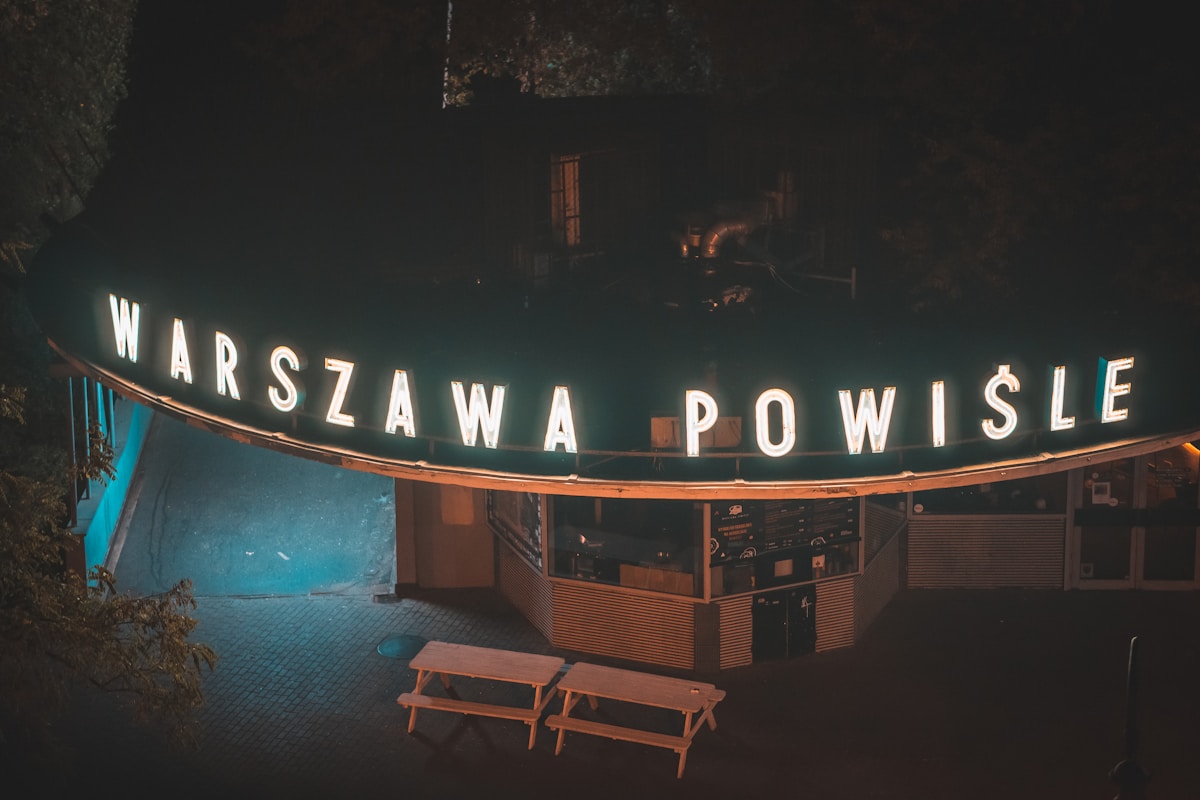
The Warsaw Rising Museum opened on 1 August 2004 - exactly 60 years after the outbreak of the Warsaw Uprising. It is one of the most significant history museums in Poland and, for anyone seeking to understand Warsaw and the 20th century history of central Europe, an essential visit.
The 1944 Warsaw Uprising
On 1 August 1944, the Polish Home Army (Armia Krajowa) launched a planned armed uprising against the German occupation of Warsaw. Soviet forces were advancing from the east; the Home Army command gambled that a Polish-led liberation of the capital would strengthen their political position before the Soviets arrived.
The fighting lasted 63 days. The Home Army held large sections of the city but was outgunned and received almost no significant Allied support. The Soviets halted their advance and waited. On 2 October 1944, the surviving forces surrendered.
The human cost was catastrophic. Approximately 250,000 Polish civilians were killed - many in deliberate massacres of entire districts - and over 500,000 were expelled. In the months that followed the surrender, on direct orders from Hitler, German forces systematically demolished Warsaw block by block. By January 1945 when Soviet forces finally entered the city, roughly 85% of Warsaw lay in rubble.
The Uprising is not the same as the Warsaw Ghetto Uprising of April–May 1943, which was a separate rebellion by Jewish residents of the sealed ghetto and is documented in the POLIN Museum of the History of Polish Jews nearby.
The Museum
The museum occupies a converted power station. It covers three floors of permanent exhibits and several temporary galleries.
Ground floor opens with a chronological account of the outbreak of the Uprising and the fighting district by district. Photographs, documents, weapons, and personal testimonies are woven together into a coherent narrative.
First floor focuses on daily life during the Uprising - how civilians survived in sewers, bombed-out buildings, and improvised field hospitals, and how the Home Army’s postal service, newspapers, and radio broadcasts kept morale alive during the fighting.
Second floor centres on the capitulation, deportation, and the systematic destruction of Warsaw. This section includes one of the museum’s most striking exhibits: a replica B-24 Liberator bomber, commemorating Allied aircrews who flew supply drops to Warsaw - a partial and ultimately inadequate effort that is nonetheless acknowledged here.
The Memorial Room is a circular space with a wall bearing the names of known victims of the Uprising - soldiers and civilians alike. It is a quiet, deliberately stark contrast to the more intense documentary floors.
The film archive is one of the most comprehensive collections of footage from the Uprising in existence, including material shot by German forces and recovered after the war.
Entry and Opening Hours
- Adults: approximately PLN 35 as of 2026
- Concessions (students, seniors, registered groups): approximately PLN 25 as of 2026
- Free entry: every Sunday
- Children under 7: free
Opening hours:
- Monday, Wednesday, Friday: 8am–6pm
- Thursday: 8am–8pm
- Saturday–Sunday: 10am–6pm
- Closed Tuesday
Book tickets online at 1944.pl to avoid queues, particularly on Thursdays when the museum has extended hours and tends to attract school groups. You can also book via Tiqets for confirmed entry.
Getting There
The museum is located at ul. Grzybowska 79, Warsaw. The nearest tram stop is Muzeum Powstania Warszawskiego, served by multiple tram lines from central Warsaw. By taxi or rideshare from the Old Town, allow approximately 10–15 minutes depending on traffic. On foot from the Old Town it is roughly 20 minutes.
Combined Visits
The museum’s location in the Wola district makes it easy to combine with the Praga district (cross the Vistula on foot for independent street art, restaurants, and the Neon Museum) or simply spend a full day on the history of Warsaw by combining the Rising Museum in the morning with the POLIN Museum of the History of Polish Jews in the afternoon - the two cover overlapping eras from very different perspectives.
Visitor Notes
Duration: A proper visit takes 2–3 hours. The exhibits are dense and emotionally demanding; do not rush.
Language: Labels and audio are available in English and Polish throughout.
Photography: Permitted in most areas. Some sections ask for no flash.
Emotional tone: Like Auschwitz, this is a museum about mass killing and deliberate destruction. The material is handled with care and historical rigour, but it is not a light visit. Allow time before or after to sit and process.
Search hotels in Warsaw on Booking.com
Explore Warsaw
- Warsaw City Guide - full overview, hotels, restaurants, and transport
- Things to Do in Warsaw - POLIN Museum, Łazienki Park, Praga, and more
- Warsaw WWII Tours - guided tour options for the Ghetto, Rising Museum, and wartime sites - or browse guided Warsaw tours to book directly
- Visiting Auschwitz-Birkenau - Poland’s other essential WWII memorial
- Kraków History Guide - Kraków’s WWII story: the Ghetto, Schindler’s Factory, and Kazimierz
- 1 Week in Poland Itinerary - the Rising Museum features on Day 3 of the classic Warsaw section
- Day Trips from Warsaw - Żelazowa Wola, Łódź Ghetto, Kampinos Forest, and more from the capital