Four Polish regions - Lubelskie, Podkarpackie, Podlaskie and Warmia-Masuria - are launching targeted accommodation subsidy schemes from September 2026, offering financial incentives to encourage visitors to choose regional holidays this autumn. The coordinated initiative is designed to distribute tourism beyond the established centres of Kraków, Warsaw, and Gdańsk and into parts of Poland that see significantly fewer international visitors.
How the vouchers work
The specifics vary by region, but the headline figure for Warmia-Masuria (Warmińsko-Mazurskie) is a PLN 300 voucher (approximately €68) redeemable against accommodation services within the voivodeship. The other three regions are offering comparable schemes with slight variations in value and qualifying criteria.
Vouchers are typically available to visitors booking accommodation through approved providers within each region. Check the tourism board of the relevant voivodeship for current registration status, booking conditions, and validity windows - the schemes are rolling out through autumn 2026 and exact eligibility terms may differ.
What each region offers
Warmia-Masuria is the land of the Masurian Lakes - more than 2,000 interconnected lakes in glacially carved landscape in northeast Poland. Sailing, kayaking, and paddling the Masurian lake district are the defining outdoor experiences. September and October are among the best months for the region: water temperatures remain workable, foliage begins to turn, and boat traffic is a fraction of the July peak.
Podlaskie is one of Poland’s least-visited but most rewarding regions. The Białowieża Forest, the last primeval forest in Europe and one of its greatest wildlife reserves, sits here - home to the European bison and accessible via guided wildlife tours. The Narwiański National Park, the Augustów Canal, and the culturally distinctive Podlaskie towns add further depth.
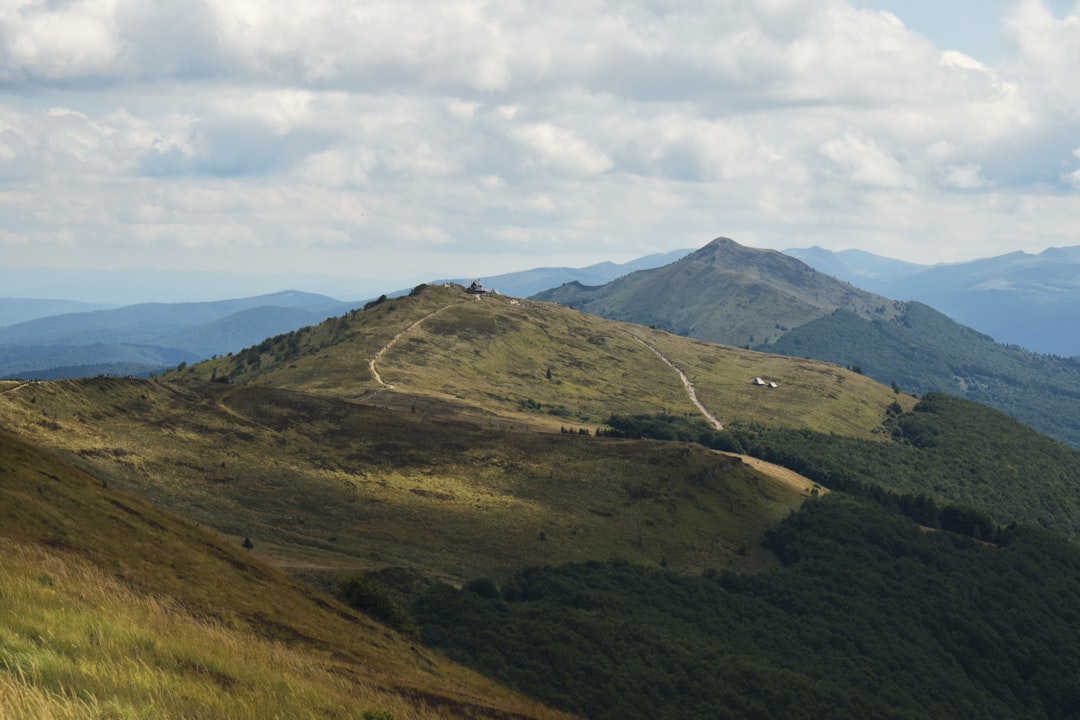
Podkarpackie spans southeastern Poland from the San River valley into the Bieszczady mountain range. The Bieszczady - undeveloped, forested, and genuinely remote by Polish standards - offer hiking, wildlife spotting, and high ridgeline trails with very few visitors. Auschwitz tours are accessible from the southwestern corner of the broader region, making a combined cultural and landscape itinerary practical from Kraków.
Lubelskie covers the eastern plains of Poland - historic Lublin with its well-preserved old town and Renaissance castle, the Roztocze uplands, and the Polesie National Park. The region sees far fewer international visitors than Poland’s western cities, which gives it a quieter, more locally focused character. Tours from Kraków can be extended east into Lubelskie with an extra day or two, and guided tours in Lublin are available for visitors basing themselves in the city.
Why consider these regions now
Autumn is arguably the best season for all four areas. The crowds of July and August have gone, forest landscapes shift through colour, wildlife is active, and prices for accommodation reflect the reduced demand. The subsidy schemes make the economics more attractive still.
For visitors who have already done Kraków and Warsaw and want to see a genuinely different side of Poland, these four regions offer distinct, less-visited alternatives with their own strong identities. The vouchers are a practical prompt to visit places that reward the effort.
More information on each scheme is available directly from the regional tourism boards, with details linked via Poland’s national tourism portal, polska.travel.