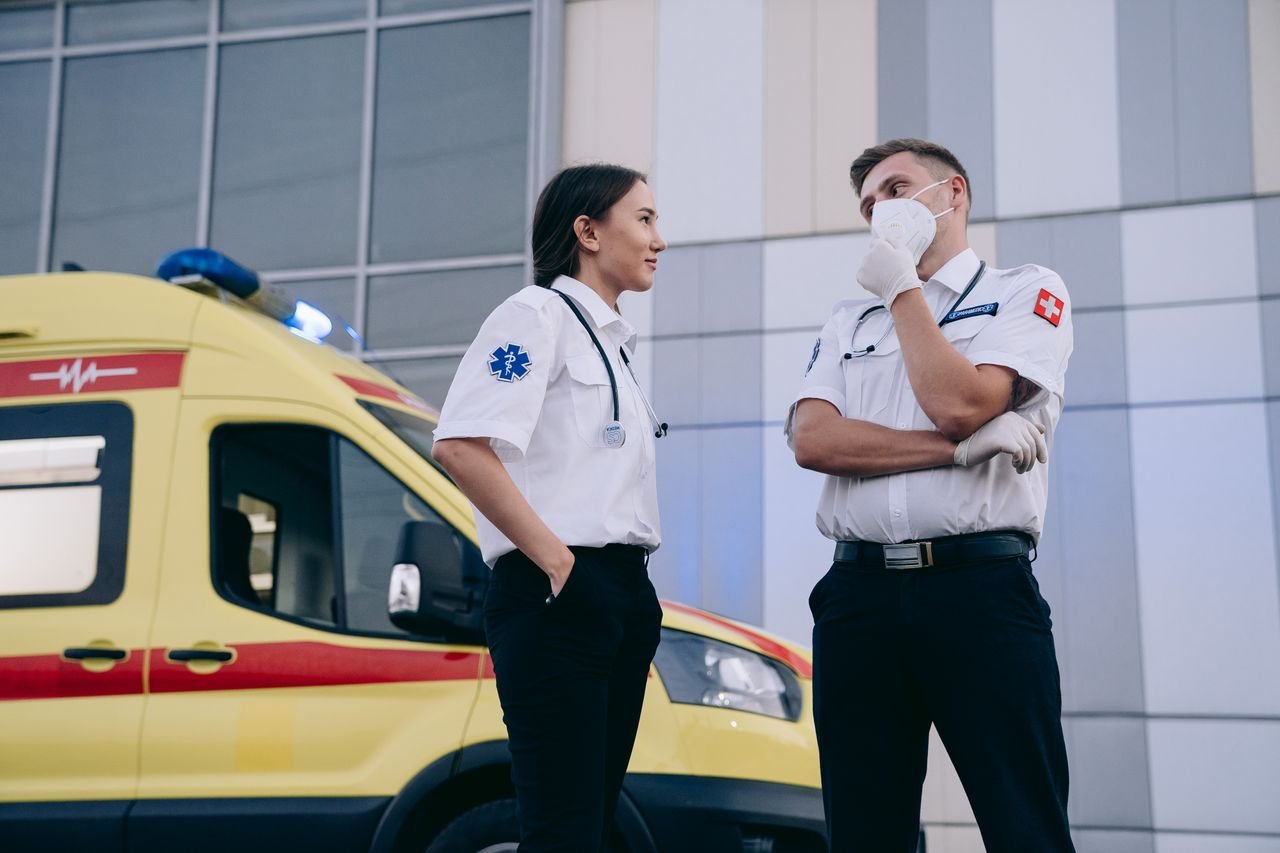
Poland is a safe, well-organised country, and its emergency services are reachable in seconds from any phone. This page is a quick reference for the numbers worth saving before you land, plus what actually happens after you call. For the wider picture on petty crime and scams, see our Poland safety guide.
For official travel and safety updates, see the UK government travel advice for Poland.
The numbers to save
| Service | Number | Notes |
|---|---|---|
| All emergencies | 112 | Free, works without a SIM, English-speaking operators |
| Police (Policja) | 997 | Crime, accidents, lost children |
| Fire brigade (Straż Pożarna) | 998 | Fires, rescues, gas leaks |
| Ambulance (Pogotowie Ratunkowe) | 999 | Medical emergencies |
| Tatra mountain rescue (TOPR) | +48 601 100 300 | Also reachable via 112 |
| City guard (Straż Miejska) | 986 | Local order issues, not emergencies |
Calls to all of these are free. If you are unsure which service you need, dial 112. The operator takes your location and passes the call to police, fire or ambulance, so you only explain once. Say “I need help in English” or “Pomocy” (help) and give your location first: street name and number, or the nearest landmark.
Calling 112 from a foreign phone
Your own mobile works. Dial 112 and it connects through whichever network has signal, even if your plan has no roaming. Android and iPhone also offer an emergency SOS function that shares your position. Poland’s 112 service can locate callers automatically, but do not rely on it indoors, so state the address. Stay on the line until the operator ends the call, and keep the phone free because they may call back.
Police and crime
Police respond fast in cities such as Warsaw, Kraków, Gdańsk and Wrocław. There is no dedicated tourist police, so visitors deal with regular officers. Some speak English, especially in tourist areas and train stations, and 112 can arrange an interpreter if needed.
For theft or lost documents, go to the nearest police station (komisariat) and ask for a written report. You will need it for travel insurance, and it helps your embassy issue emergency papers. Pickpocketing is the main risk around Kraków’s Main Square, Warsaw Central station and on busy trams. Carry a photo of your passport and keep a card separate from your wallet.
If you are stopped by police, carry ID. Polish law requires foreign visitors to be able to identify themselves, and a passport photo on your phone is not always accepted.
Medical emergencies and hospitals
Call 999 or 112 for an ambulance. Emergency care is given first and paperwork follows. For non-urgent problems, pharmacies (apteka) are widely available and green-cross signs mark them. Pharmacists in city centres often speak some English, and a rota of 24-hour pharmacies is posted on the door of each shop.
EU, EEA and Swiss visitors should carry an EHIC or GHIC card and use public (NFZ-contracted) hospitals. Private clinics such as Medicover and Luxmed offer English-language care in the larger cities, usually with a fee that is paid up front and reclaimed later. Costs for non-EU visitors can be high, which is why we recommend checking our Poland travel insurance guide before you fly. Keep the insurer’s 24-hour assistance line saved alongside the local numbers, and call it as soon as you are admitted, since many policies need notification within 24 to 48 hours.
Mountain rescue in the Tatras and beyond
In the Tatras, the volunteer rescue service TOPR covers the Polish side. Call 112 or +48 601 100 300, and report your name, position, number of casualties and the injury. In winter, avalanche conditions change daily, so check the official bulletin before setting out. Rescue in the Polish Tatras is free, but a rescue on the Slovak side is charged, and helicopter costs can reach thousands of euros. Make sure your policy covers mountain activities. Our Tatra Mountains trekking guide covers routes and seasonal conditions. The free RATUNEK app can send your GPS position when you need help in the mountains, though it is mostly in Polish.
Road accidents and car trouble
After a crash, switch on hazard lights, wear the reflective vest that must be carried in every car, place the warning triangle and call 112 if anyone is hurt. For a minor collision with no injuries, you can agree on a written statement with the other driver and call 997 if there is disagreement. Rental car companies usually give you a breakdown number on the key fob or windscreen sticker, so save it. For rental advice, see renting a car in Poland.
Embassies and consulates
Embassies are not emergency services. Call 112 first for anything urgent, then your embassy for lost passports, arrests or serious illness. Most are in Warsaw. See our embassies and consulates guide for addresses and what each mission can and cannot do.
What to prepare before you travel
- Save 112 and your insurer’s 24-hour line in your phone favourites.
- Write your accommodation address in Polish, which helps when an operator asks where you are.
- Photograph your passport, insurance policy and card numbers and store them in secure cloud storage.
- Carry any regular medication in original packaging with a doctor’s letter, and know the generic name, since brands differ in Poland.
- Compare cover before you go: travel insurance for Poland lets you check medical limits and mountain-rescue cover.
Numbers and policies are as of 2026. Check the official police and TOPR sites before travelling in case anything changes.