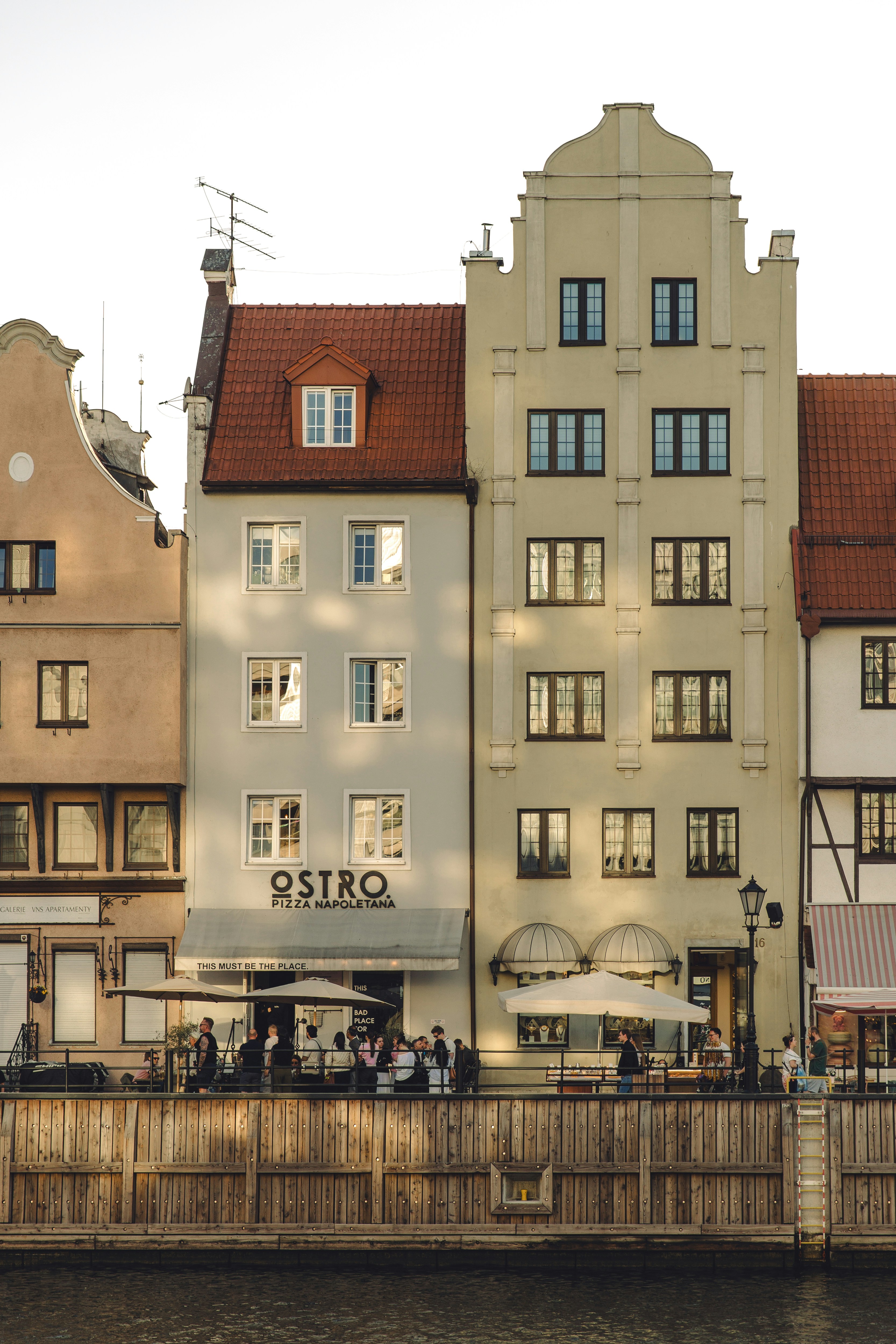
Gdańsk’s eating and drinking scene reflects its history as a Baltic trading port - herring, smoked eel, and dark porter were shipped out of these docks for centuries, and the city still produces and consumes all three with enthusiasm. The Old Town is dense with restaurants aimed at tourists, but step a street back from the waterfront and prices drop sharply. There are milk bars for PLN 20 meals, craft beer bars with serious tap selections, and specialist spirit shops carrying Goldwasser liqueur made to a recipe that dates to the 16th century.
Pomeranian and Kashubian Specialties
The Gdańsk region sits at the edge of Pomerania, and the Kashubian highlands begin less than 30 kilometres from the city centre. Both influences show up on menus alongside broader Polish cooking.
Śledź (herring) comes in more preparations here than almost anywhere else in Poland - marinated in vinegar with onion and bay leaf, cured with apple and cream, fried in breadcrumbs, or cold-smoked and served on dark bread. A herring platter starter costs approximately PLN 22–38 as of 2026 in the Old Town.
Szprot (Baltic sprat) is the smaller cousin of herring, common along the Gdańsk coast. Often smoked and served as a snack alongside beer - a portion costs approximately PLN 15–25 from market stalls and specialist fish bars.
Dorsz (Baltic cod) appears on most Old Town menus either pan-fried with herb butter, baked with potato and cream, or as part of fish soup. The fish here is genuinely Baltic-caught rather than imported, which makes a difference in flavour. Cod mains approximately PLN 48–70 as of 2026.
Kasza gryczana (buckwheat groats) is a Kashubian staple - served as a side or as a main dish topped with fried mushrooms, lard cracklings, or wild boar sauce in more traditional restaurants. Filling, inexpensive, and rarely found outside northern Poland in this form.
Placki kartoflane (potato pancakes) are thick, fried, and served either sweet with sour cream and sugar or savoury with mushroom sauce and cured meat. The Kashubian version is larger and denser than the Kraków style. Approximately PLN 22–35 for a portion as of 2026.
Budget: Milk Bars and Market Stalls
Bar Mleczny Neptun on Długa Street is the most central milk bar and one of the most historically established in the city. The menu changes daily but always includes soup, several pierogi options (boiled and fried), meat cutlets, and kompot. A full meal costs approximately PLN 20–28 as of 2026. Cash preferred. Kitchen typically open 08:00–19:00 on weekdays, closing earlier at weekends - check the board at the door for the day’s menu.
Hala Targowa (Covered Market Hall) at plac Dominikański, a short walk east of Gdańsk Główny station, is the main covered market. Fish stallholders sell smoked eel, mackerel, and herring by the piece or portion - approximately PLN 15–30 per portion as of 2026. Go in the morning for the best selection; most stalls close by early afternoon. Good for assembling a picnic lunch for the waterfront.
Market stalls along Długie Pobrzeże (the waterfront quay) in summer sell grilled fish and pierogi from approximately PLN 15–25 a portion.
Mid-Range: Pierogi and Traditional Polish
Pierogi deserve their own attention in Gdańsk - the city has specialist pierogarnie (pierogi restaurants) that go well beyond the standard ruskie (potato and cheese) filling available everywhere.
Beyond the classic ruskie and meat fillings, Gdańsk pierogiarnie offer:
- Śledź (herring) with potato and onion - the Baltic version rarely found outside the Tri-City area
- Kashubian wild mushroom with sauerkraut
- Fried pierogi (pierogi smażone) - pan-fried until golden, often served with sour cream and fried onion
A plate of 8–10 pierogi costs approximately PLN 28–45 depending on filling and venue, as of 2026.
Restauracja Gdańska on Targ Rybny (Fish Market Square) covers the full range of Gdańsk cooking - Baltic fish, classic pierogi, żurek soup, and pork dishes. Mains approximately PLN 50–75 as of 2026. The menu is honest and the portions generous; it avoids the worst tourist-area pricing.
Bar pod Złotym Orłem on Piwna Street is one of the Old Town’s oldest bar streets and less polished than the waterfront strip. Straightforward Polish food - bigos, barszcz, pork cutlet - with a beer and vodka list, at prices somewhat lower than the quayside restaurants. Mains approximately PLN 30–48 as of 2026.
Splurge: Waterfront and Granary Island
The Motława waterfront strip between the Green Gate and the Crane (Żuraw) concentrates Gdańsk’s most expensive and most atmospheric dining. Quality varies - aim for places with menus posted outside and without aggressive staff at the door.
Kamienica Goldwasser on Długie Pobrzeże is a restaurant and specialist amber spirit shop in a 17th-century townhouse. The food runs to Baltic fish, herring preparations, duck breast, and regional cold cuts. It is also one of the best places to try Goldwasser by the glass - approximately PLN 14–20 as of 2026 - alongside a proper meal rather than just a tourist shot. Mains approximately PLN 55–85 as of 2026.
Browarnia Gdańsk on Granary Island (Wyspa Spichrzów) brews its own beer on-site and serves a menu of Polish dishes alongside. The Baltic porter is the standout - brewed in a style that reflects Gdańsk’s 18th-century role in the English-Baltic porter trade. A half-litre of house porter is approximately PLN 18–22 as of 2026. Mains approximately PLN 48–72 as of 2026.
Craft Beer Bars on Piwna Street
The stretch of Piwna, Świętego Ducha, and the streets between them forms the craft beer corridor of the Old Town.
Piwoteka Prowincja on Świętego Ducha has one of the more considered tap selections in the city - rotating lines focused on northern Polish microbreweries (Browar Haust, Brodacz, Nepomucen). Half-litre approximately PLN 16–24 as of 2026. A good place to start a Piwna Street evening rather than end one - knowledgeable bar staff, no cover charge, not overly loud.
Browarnia Gdańsk (see above) is also accessible from Piwna via the bridge to Granary Island and doubles as a brewpub destination. Their wheat beer is lighter and works well in summer.
Most craft beer bars in the Old Town open from late morning and run until midnight on weekdays, later on Fridays and Saturdays. Expect queues at the most popular spots from about 20:00 on summer weekends.
Amber Spirits and Goldwasser
Goldwasser is the drink most associated with Gdańsk - a herbal liqueur with suspended 23-carat gold flakes, made here since the late 16th century by the guild distillers of the then-independent city of Danzig. The original recipe involved over a dozen spices; modern versions vary by producer but share the faint anise character and golden shimmer.
It is available by the glass in most Old Town bars - approximately PLN 12–20 as of 2026 - and in bottles from specialist shops for approximately PLN 45–65 for a 500ml bottle. The most widely available version is produced by De Kuyper, but look for Polish-made alternatives in the Hala Targowa market stalls.
Alongside Goldwasser, Gdańsk bars carry a wide range of Polish nalewki (infused spirits) - herbal, cherry, quince, and sloe varieties appear on most traditional bar menus at approximately PLN 10–18 per shot.
Mead (miód pitny) has been produced in Pomerania for centuries and remains on the drinks lists of most Old Town restaurants. The sweetness and alcohol level vary by type - półtorak (the strongest and sweetest) and dwójniak (lighter, good as an aperitif). Approximately PLN 14–22 per glass as of 2026.
Book a Gdańsk Food Tour
The Motława waterfront, Granary Island, and the Piwna Street craft beer corridor are within easy walking distance, making Gdańsk a natural fit for guided food and drink tours. A half-day tour covering Old Town herring preparations, Browarnia Gdańsk craft beers, and a tasting of Goldwasser or local nalewki gives visitors a structured introduction to the city’s food identity in two to three hours. Book a Gdańsk food and drink tour - walking tours that combine the food angle with the city’s history as a Hanseatic trading port give the best overall picture of what you are eating and why.
More in Gdańsk
- Gdańsk Food Guide - full overview of the restaurant scene, waterfront dining, and markets
- Things to Do in Gdańsk - attractions, museums, and the Old Town
- Getting Around Gdańsk - trams, SKM train, and the Motława ferry
- Where to Stay in Gdańsk - hotels by district and budget
- Day Trips from Gdańsk - Sopot, Gdynia, and Malbork Castle