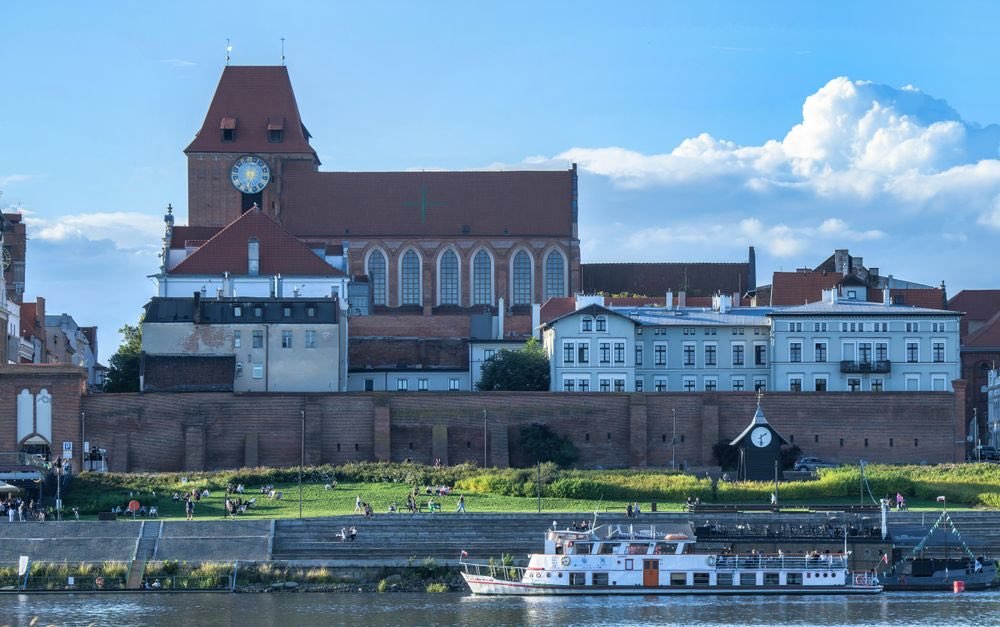
Poland has 18 UNESCO World Heritage Sites as of 2026. That is more than the 14 to 17 you will see quoted on older travel pages, because the list has kept growing: Tarnowskie Gory in 2017, Krzemionki in 2019, the Bieszczady beech forests in 2021 and, most recently, the Gdynia Modernist City Centre in July 2026. This guide lists every site in the order it was inscribed, says what you actually see on the ground and points you to our detailed page for each one.
We checked the figure against several sources, and UNESCO’s own Poland page is the reference to confirm it. The Polish national tourist board also keeps a UNESCO sites overview. UNESCO and some government hosts block automated tools, so if a link shows a bot check, open it in a normal browser.
The full list at a glance
| # | Site | Inscribed | Type | Base city |
|---|---|---|---|---|
| 1 | Historic Centre of Krakow | 1978 | Cultural | Krakow |
| 2 | Wieliczka and Bochnia Royal Salt Mines | 1978 (Bochnia 2013) | Cultural | Krakow |
| 3 | Auschwitz-Birkenau | 1979 | Cultural | Krakow, Oswiecim |
| 4 | Bialowieza Forest | 1979 (extended 1992, 2014) | Natural | Bialystok, Hajnowka |
| 5 | Historic Centre of Warsaw | 1980 | Cultural | Warsaw |
| 6 | Old City of Zamosc | 1992 | Cultural | Lublin, Zamosc |
| 7 | Malbork Castle | 1997 | Cultural | Gdansk |
| 8 | Medieval Town of Torun | 1997 | Cultural | Torun |
| 9 | Kalwaria Zebrzydowska | 1999 | Cultural | Krakow |
| 10 | Churches of Peace, Jawor and Swidnica | 2001 | Cultural | Wroclaw |
| 11 | Wooden Churches of Southern Lesser Poland | 2003 | Cultural | Krakow, Tarnow |
| 12 | Muskauer Park | 2004 | Cultural | Zary, Bad Muskau (Germany) |
| 13 | Centennial Hall, Wroclaw | 2006 | Cultural | Wroclaw |
| 14 | Wooden Tserkvas of the Carpathian Region | 2013 | Cultural | Rzeszow, Sanok |
| 15 | Tarnowskie Gory Mine | 2017 | Cultural | Katowice |
| 16 | Krzemionki Striped Flint Mining Region | 2019 | Cultural | Kielce, Sandomierz |
| 17 | Ancient and Primeval Beech Forests (Bieszczady) | 2021 | Natural | Lesko, Ustrzyki Dolne |
| 18 | Gdynia Modernist City Centre | 2026 | Cultural | Gdynia |
Kraków and the south
Historic Centre of Krakow (1978). One of the first twelve sites on the entire World Heritage List. The Main Square, Cloth Hall, St Mary’s Basilica, Wawel Hill and Kazimierz are all inside the protected area. Allow two full days, and start with our Krakow city guide and the Krakow history guide. A guided Krakow tour is the quickest way to cover Wawel and the Old Town in one day.
Wieliczka and Bochnia Royal Salt Mines (1978, extended 2013). Wieliczka is the one most visitors see: chambers, chapels and sculptures carved from rock salt, about 15 km from Krakow. Bochnia is the quieter sibling, further east, and was added in 2013. Read the full Wieliczka Salt Mine guide before you book, because timed tickets sell out in summer.
Auschwitz-Birkenau (1979). Inscribed as the German Nazi concentration and extermination camp (1940-1945). It is a memorial and a museum, and visits need a pre-booked ticket or a guided tour. Our Auschwitz-Birkenau visiting guide covers tickets, rules, transport from Krakow and what the two-camp route involves. We treat it separately from sightseeing days and suggest leaving time afterwards.
Kalwaria Zebrzydowska (1999). A Mannerist chapel complex and pilgrimage landscape in the hills about 35 km south-west of Krakow. It works as a half-day trip by car or local bus, and it is at its busiest during the Passion processions around Easter and the August Assumption festival.
Wooden Churches of Southern Lesser Poland (2003). Six Gothic timber churches, including Binarowa, Debno, Haczow, Lipnica Murowana and Sekowa, plus Blizne. Haczow is often called the largest Gothic wooden church in Europe. Public transport is thin, so a car or a private driver is the practical way.
Warsaw, central and northern Poland
Historic Centre of Warsaw (1980). The Old Town was levelled in 1944 and rebuilt from paintings, photographs and surviving fragments, and that reconstruction is the reason it is listed. Walk the Royal Route and see it as a story about rebuilding, not as a medieval survival. See the Warsaw city guide and the Warsaw Rising Museum guide for context.
Medieval Town of Torun (1997). The birthplace of Copernicus, with the best-preserved Gothic brick old town in Poland and almost no wartime damage. It is a simple train ride from Warsaw or Gdansk. Start at the Torun city guide and pick a Torun tour if you want the Copernicus houses and the gingerbread museum explained.
Malbork Castle (1997). The largest castle in the world by land area, built by the Teutonic Order and reachable from Gdansk in about 40 minutes by train. Details, tickets and audio guide advice are in our Malbork Castle guide, and it features in our best castles in Poland roundup too.
Gdynia Modernist City Centre (2026). Poland’s newest site recognises the interwar port city built from almost nothing after 1926, with its functionalist apartment blocks, the Sea Terminal and the Emigration Museum. The committee announced the decision on 27 July 2026. See our Gdynia guide for a modernist walking route.
Bialowieza Forest (1979). The last big lowland primeval forest in Europe, shared with Belarus and home to a free-roaming European bison herd. Visits are in guided groups within the strictly protected zone. Read Bialowieza Forest wildlife for seasons and guides.
Eastern Poland and the Carpathians
Old City of Zamosc (1992). A Renaissance “ideal town” laid out in the 1580s by the Italian architect Bernardo Morando for Chancellor Jan Zamoyski. Its Great Market Square and arcaded houses are worth an overnight stay. See the Zamosc city guide and its things to do page.
Wooden Tserkvas of the Carpathian Region (2013). A shared listing with Ukraine. The Polish side includes the churches at Brunary Wyzne, Kwiaton, Powroznik, Owczary, Smolnik, Radruz, Chotyniec and Turzansk, scattered across the Low Beskids and Bieszczady foothills.
Ancient and Primeval Beech Forests of the Carpathians (2021). A multinational listing, with Bieszczady National Park as the Polish component. Read our Bieszczady hiking guide for trails and bases.
Silesia and the west
Churches of Peace, Jawor and Swidnica (2001). Two huge half-timbered Protestant churches built after the Peace of Westphalia, in the 1650s, under conditions that forbade stone towers and permanent materials. Both are within a day trip of Wroclaw.
Muskauer Park (2004). A landscape park straddling the Polish-German border on the Neisse River. You can cross the bridge on foot, so it counts as one visit to two countries.
Centennial Hall, Wroclaw (2006). A reinforced-concrete exhibition hall by Max Berg, opened in 1913, with a 65 m dome that was an engineering milestone for its time. It is easy to add to a day in the city: see the Wroclaw city guide.
Tarnowskie Gory Mine (2017). A former lead, silver and zinc mine with an underground drainage system, near Katowice. You tour part of it on foot and by boat.
Krzemionki Striped Flint Mining Region (2019). A prehistoric flint mining complex from roughly 3900 to 1600 BCE, in the Swietokrzyskie region. It has an underground tourist route and a visitor centre.
How to combine them
- Three days from Krakow: Historic Centre, Wieliczka and Auschwitz-Birkenau. All are reachable by public transport.
- Five days north to south: Gdansk (for Malbork and Gdynia), Torun, Warsaw, Krakow. This is the route that fits our 2 weeks in Poland itinerary when you add the south.
- Car-only extras: Kalwaria Zebrzydowska, the wooden churches, the tserkvas, Krzemionki and Bialowieza need a car, a private driver or an organised tour.
- Book ahead: Wieliczka, Auschwitz and Malbork have timed or capped tickets in summer, and Gdynia may see more visitors after its 2026 inscription. Browse Poland guided tours for combined day trips.
Prices and opening hours change each season, so check each site’s official page before you travel.